I spent most of my early twenties watching people burn out trying to master software that felt like it was designed by engineers, for engineers. We’ve all been there—staring at a blank canvas, paralyzed by a subscription fee that costs more than your monthly grocery bill, or getting lost in a labyrinth of menus just to resize an image. It’s exhausting, and honestly, it’s a massive waste of your mental bandwidth. You shouldn’t need a degree in graphic design or a massive budget just to make something look professional. I’ve spent way too many late nights digging through the digital noise to find the best free design tools that actually function without the steep learning curve or the hidden paywalls.
In this post, I’m stripping away the fluff to give you a curated list of eight essentials that actually work. These aren’t just random apps; they are the specific tools I use to keep my own workflows lean and effective. Whether you’re building a brand from scratch or just need to polish a presentation, these picks will help you create high-quality visuals without the headache. Let’s get into it.
Table of Contents
- Canva: The Swiss Army Knife for Non-Designers
- Figma: The Gold Standard for Digital Layouts
- Inkscape: The Open-Source Vector Powerhouse
- GIMP: Heavy-Duty Photo Editing Without the Bill
- CapCut: High-Speed Video Editing for the Modern Era
- Penpot: The Collaborative Design Alternative
- Unsplash: High-Quality Visuals Without the Search Fatigue
- Coolors: The End of Color Palette Paralysis
- Stop Overthinking the Toolbox
- Frequently Asked Questions
Canva: The Swiss Army Knife for Non-Designers

Let’s be real: most of us don’t have the time (or the patience) to learn the intricacies of professional layout theory just to make a decent Instagram post or a presentation slide. That’s where Canva comes in. It’s basically the ultimate shortcut for anyone who needs something to look professional without spending three hours staring at a blank canvas. It handles the heavy lifting with templates that actually look good, so you aren’t reinventing the wheel every single time you need a graphic.
Figma: The Gold Standard for Digital Layouts
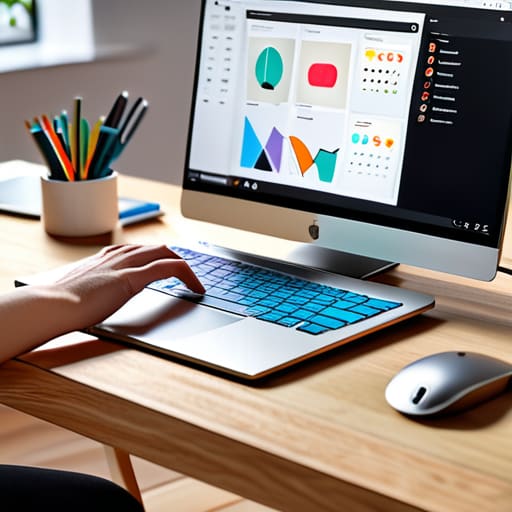
If you’re looking to move beyond basic graphics and actually start designing interfaces or even complex website layouts, Figma is the undisputed king. It’s a browser-based tool, which means I can jump from my desktop to a different machine without the friction of installing massive software suites. The real magic, though, is the collaboration aspect; it feels like you’re working in a shared Google Doc, but for high-fidelity design.
Inkscape: The Open-Source Vector Powerhouse
Vector graphics can be a massive headache if you’re stuck using tools that feel clunky or demand a monthly subscription just to keep your files open. Inkscape is my go-to when I need to create scalable graphics—like logos or icons—without the Adobe price tag. It’s open-source, which means it’s free, and it gives you a level of granular control that most “easy” tools just can’t touch.
GIMP: Heavy-Duty Photo Editing Without the Bill
We’ve all been there: you need to remove a distracting background or fix the lighting on a photo, and suddenly you’re staring at a “subscription required” pop-up. GIMP is the classic alternative that refuses to die, and for good reason. It’s a heavy hitter when it comes to photo manipulation, offering a massive array of tools that can handle almost any image-based task you throw at it.
CapCut: High-Speed Video Editing for the Modern Era
Video is the language of the internet now, but trying to edit a high-quality clip on a desktop can feel like trying to build a mechanical keyboard with a hammer. CapCut has completely changed the game for quick, high-impact video editing. It’s incredibly streamlined, focusing on the features that actually matter for social media—like auto-captions, trendy transitions, and easy music integration.
Penpot: The Collaborative Design Alternative
While Figma is the industry leader, I’ve been keeping a close eye on Penpot, especially because it’s built on open standards. It offers a similar collaborative experience, but it feels a bit more approachable for people who want to avoid being locked into a single ecosystem. It’s a fantastic way to design layouts and components in a way that’s actually interoperable with other tools.
Unsplash: High-Quality Visuals Without the Search Fatigue
Nothing kills a design project faster than spending forty minutes hunting for a single, decent photo that doesn’t look like a cheesy stock image from 2005. Unsplash is a lifesaver here. It’s a massive library of high-resolution, professional-grade photography that is completely free to use. The quality is consistently stunning, which helps elevate even the simplest designs.
Coolors: The End of Color Palette Paralysis
Choosing a color scheme is one of those things that sounds easy until you’re actually doing it and realize you’ve picked five shades of grey that all look slightly wrong. Coolors is a lightning-fast color scheme generator that takes the guesswork out of the equation. You just hit the spacebar, and it spits out combinations that are mathematically harmonious.
Stop Overthinking the Toolbox
At the end of the day, the goal isn’t to own every piece of software on this list; it’s about finding the specific tool that removes the friction from your workflow. Whether you’re leaning on Canva for a quick social post, using Figma to map out a complex interface, or grabbing assets from Unsplash, the tech should serve you, not the other way around. I’ve spent way too many hours in my own career trying to master “perfect” enterprise-grade suites only to realize that a leaner, faster setup usually gets the job done better. Pick one or two of these, get comfortable with them, and then stop searching for the next shiny thing.
My advice? Don’t let the lack of a massive budget or a high-end Adobe subscription be the reason you don’t start. The barrier to entry has never been lower, which means your ideas are the only real bottleneck left. Use these tools to build your systems, automate the boring stuff, and clear the mental clutter so you can actually focus on the creative work that matters. We aren’t aiming for a perfect digital studio; we’re just aiming for systems that actually work for our lives. Now, close these tabs and go build something.
Frequently Asked Questions
Are these tools actually enough to land a freelance gig, or am I just playing around?
Look, I get the skepticism. It feels like you’re just playing with digital toys. But here’s the reality: clients don’t pay for your software subscription; they pay for the problem you solve. If you can use these tools to deliver a clean, functional result that hits their brief, you’re ready. Stop worrying about having the industry-standard toolkit and start building a portfolio that proves you can actually execute. The tools are just the means.
How much of a learning curve am I looking at before I actually feel productive?
Look, I’m not going to lie to you: there’s always a ramp-up period. If you’re jumping into something like Figma, expect a few days of “why is this button doing that?” frustration. But if you stick to the basics—just learning the core tools rather than every single feature—you’ll likely feel a sense of flow within a week. Don’t aim to master the software; just aim to finish your first project. That’s when it clicks.
Will I run into a "paywall wall" where I can do everything until I suddenly need one basic feature?
Look, I’ll be real with you: yes, it’s a possibility. Most “free” tools use a freemium model designed to hook you with the basics and then hit you with a paywall right when you hit your stride—usually for something like high-res exports or removing a watermark. It’s frustrating, but it’s part of the game. My advice? Always check the “pricing” page for those specific “must-have” features before you commit your workflow to a new tool.
Do I need a beast of a laptop to run these, or can I get away with a basic setup?
Honestly? You’re good. Since most of these are web-based or lightweight, you don’t need a high-end workstation that costs as much as a used car. A decent laptop with a bit of RAM and a stable internet connection is plenty. If you aren’t doing heavy 3D rendering or 4K video editing, don’t sweat the specs. Focus your budget on a reliable mouse or a second monitor instead—that’ll actually improve your workflow more than a beastly CPU.