Developing Sustainable Eating Habits for the Long Run

I’m so tired of seeing “wellness influencers” sell us $200 worth of organic powders and complicated meal prep schedules that require a PhD to follow. Most of the advice out there on how to build better eating habits feels like it was designed by someone who has nothing better to do than track every single macro in a spreadsheet. It’s exhausting, it’s expensive, and frankly, it’s a recipe for burnout. I grew up watching my parents crash and burn trying to follow these “perfect” dietary protocols, only to end up ordering takeout by Wednesday because the system was too rigid to survive a real work week.

Here’s my promise: we aren’t going to chase perfection or buy a bunch of unnecessary gadgets. Instead, I want to show you how to apply a bit of systems engineering to your kitchen. I’m going to share the low-friction, practical frameworks I use to keep my energy up without making food feel like a second job. We’re going to focus on building sustainable loops rather than temporary fixes, so you can stop fighting your cravings and start focusing on what actually matters.

Table of Contents

Simple Meal Planning for Beginners Who Hate Complexity
Simple Meal Planning for Beginners Who Hate Complexity

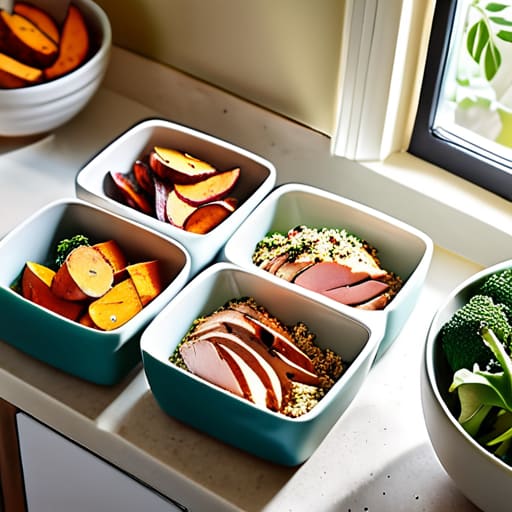
Most people think meal planning means spending six hours on a Sunday afternoon in a sterile kitchen, portioning out Tupperware like they’re preparing for a long-term apocalypse. That’s a recipe for burnout, and honestly, it’s why most people quit by Wednesday. If you’re looking for meal planning for beginners, my advice is to ditch the rigid schedules and embrace a “component” mindset instead. Rather than cooking complex recipes, just prep a few versatile building blocks: a grain, a roasted veggie, and a protein. This gives you the flexibility to mix and match throughout the week without feeling like you’re eating the exact same mush every single day.

The goal here isn’t to become a gourmet chef; it’s to reduce the number of decisions you have to make when you’re tired and hungry. When you have these components ready, you’re much less likely to fall into the trap of mindless snacking or ordering takeout because you’re too drained to think. It’s about creating low-friction systems that support your goals. By focusing on these small, repeatable wins, you’re making sustainable dietary changes that actually fit into a busy schedule rather than fighting against it. Keep it simple, keep it modular, and let the system do the heavy lifting for you.

Nutritional Balance Tips That Wont Drain Your Brain

Nutritional Balance Tips That Wont Drain Your Brain

The biggest mistake I see people make is treating nutrition like a math exam. If you try to track every single macro and calorie from day one, you’re going to burn out by Tuesday. Instead of obsessing over numbers, I look for nutritional balance tips that focus on the “plate method.” Basically, just try to eyeball your plate so half of it is colorful stuff—veggies, mostly—and the rest is your protein and carbs. It’s a low-friction way to ensure you’re actually fueling your body without needing a spreadsheet to do it.

Another thing that saved my sanity was moving away from the “all or nothing” mindset. When I was feeling stressed at work, I’d often default to mindless snacking, which is basically just overcoming emotional eating in reverse. I started implementing a few simple mindful eating techniques, like actually sitting at a table instead of eating over my keyboard. It sounds small, but it forces you to actually register when you’re full. We aren’t looking for a perfect diet; we’re just trying to build a system where you’re making intentional choices rather than reactive ones.

Small Tweaks to Stop the Decision Fatigue

  • Stop treating every meal like a high-stakes project. If you’re too tired to cook, have a “fallback meal” ready—something healthy but zero-effort, like Greek yogurt and berries or a pre-washed salad kit. It prevents the inevitable 8 PM pivot to takeout.
  • Use the “Add, Don’t Subtract” rule. Instead of obsessing over what you can’t eat (which just makes you crave it more), focus on what you can add to the plate. Need more fiber? Throw a handful of spinach into that pasta. Need more protein? Add an egg to your toast. It’s way less mentally taxing.
  • Batch your “infrastructure,” not just your meals. You don’t have to spend five hours on Sunday cooking entire recipes. Just prep the components: wash the fruit, boil some eggs, or roast a tray of veggies. Having the building blocks ready makes assembly feel like a win rather than a chore.
  • Audit your environment, not your willpower. If the junk food is sitting on your counter, you’re eventually going to eat it. I’ve learned that my willpower is a finite resource that runs out by Tuesday. Move the easy snacks to a high shelf or a different room, and keep the high-utility stuff front and center.
  • Build in a “buffer zone” for social life. Don’t try to be a nutrition robot. If you have a heavy dinner planned with friends, just adjust your lunch to be lighter and more protein-focused. Systems work best when they have room to breathe, not when they’re so rigid they snap the moment life happens.

The Bottom Line

Look, we’ve covered a lot of ground, from stripping the friction out of meal planning to finding a nutritional balance that doesn’t require a PhD in biochemistry. If you take nothing else away from this, remember that the goal isn’t to transform into a person who eats nothing but steamed kale and organic quinoa. It’s about building a sustainable framework that handles the heavy lifting for you. By simplifying your prep and focusing on basic balance rather than rigid restriction, you’re essentially building a system that works even on your most chaotic, high-stress days.

At the end of the day, your habits should serve you, not the other way around. If a specific system feels too heavy or starts to feel like another chore on your to-do list, scrap it and tweak it. We aren’t aiming for a flawless diet; we’re just trying to reduce the mental load of making healthy choices. Don’t let the pursuit of a “perfect” lifestyle get in the way of a functional one. Just pick one small thing, implement it this week, and keep moving forward. You’ve got this.

Frequently Asked Questions

What do I do when my schedule completely falls apart and I can't follow my meal plan?

Look, I’ve been there. A deadline spikes, your calendar turns into a dumpster fire, and suddenly your meal prep is sitting in the fridge while you’re eating cereal over your keyboard at 9 PM.

How do I stop mindless snacking when I'm stressed or working late?

The “stress-snack loop” is usually just a glitch in your system. When your brain hits a wall, it craves quick dopamine, and sugar is the easiest fix. To break it, I use a friction-based approach. First, keep the “emergency” snacks out of sight—if you have to stand up and open a cupboard to find them, you’ve bought yourself ten seconds of logic. Second, keep a high-quality water bottle at your desk. Often, your brain is just signaling thirst or boredom. Keep it simple: hydrate first, then decide if you’re actually hungry.

Is it worth spending extra time on meal prep, or should I just focus on better takeout choices?

Honestly? It’s not an either/or situation. If you’re already drowning in work, don’t force yourself into a four-hour Sunday meal prep marathon—that’s a recipe for burnout. Instead, aim for a hybrid. Use meal prep to handle the high-friction stuff (like cooking a big batch of grains or protein) and use better takeout choices to fill the gaps. It’s about reducing decision fatigue, not adding more chores to your list.

How do I track my progress without turning eating into another stressful chore?

Stop trying to count every single calorie; that’s a fast track to burnout. Instead, use “low-friction tracking.” I started using a simple habit tracker in my pocket notebook—just a checkmark if I hit my protein goal or ate enough greens. If you want digital, use an app just to log meals once or twice a week for a quick pulse check, not every single bite. Track the trends, not the perfection.


Ways to Spend Less While Still Enjoying Life

I remember sitting at my desk last Tuesday, staring at a spreadsheet of my monthly subscriptions and takeout orders, feeling that familiar, heavy knot of guilt in my chest. I was trying to follow every “budgeting hack” on TikTok, but all I ended up with was a lifestyle that felt like a series of unrelenting subtractions. Most financial advice makes it sound like you have to live like a monk just to see your savings grow, but that’s a broken system. If you’re looking for how to spend less without feeling deprived, you don’t need a radical lifestyle overhaul or a mountain of willpower; you just need better logic.

I’m not here to sell you on some restrictive, “no-fun-allowed” austerity program. My goal is to show you how to apply a little systems engineering to your wallet so you can cut the dead weight without losing the things that actually make life worth living. We’re going to focus on high-impact adjustments—the small, sustainable tweaks that keep your bank account healthy and your sanity intact. No hype, no deprivation, just simple systems that actually work.

Table of Contents

Cracking the Psychology of Spending Habits

Cracking the Psychology of Spending Habits.

If we’re being honest, most of our “bad” spending isn’t actually about the math; it’s about the dopamine. I spent years thinking I just lacked willpower, but as a systems guy, I realized I was actually just fighting a losing battle against my own brain. We’ve been conditioned to treat every notification and “one-click” checkout as an instant hit of satisfaction. When you don’t understand the psychology of spending habits, you aren’t actually making choices—you’re just reacting to triggers.

To fix this, I stopped trying to “white-knuckle” my way through every purchase. Instead, I started looking at value-based spending strategies. This is where you stop looking at what you can’t buy and start looking at what actually moves the needle for your happiness. If a high-quality coffee or a specific hobby brings you genuine joy, keep it. But if you’re buying stuff just to fill a gap during a stressful workday, that’s a system failure. The goal is to shift from mindless consumption to intentional living on a budget, where every dollar has a specific job to do. Once you decouple “spending” from “stress,” the whole game changes.

Building Systems for Intentional Living on a Budget

Building Systems for Intentional Living on a Budget

Once you’ve deconstructed the “why” behind your spending, it’s time to stop relying on willpower. Willpower is a finite resource, and frankly, it’s a terrible way to manage a bank account. Instead, I like to approach this like a systems engineer: we need to build guardrails that make the right choice the easiest choice. This starts with value-based spending strategies. Instead of looking at your budget as a list of things you can’t do, look at it as a map of where you actually want your money to go. If you love high-quality coffee but don’t care about designer clothes, reallocate that “clothing” bandwidth to your “caffeine” fund. It’s not about restriction; it’s about optimized allocation.

The next step is automating the friction out of your life. I’m a huge believer in reducing impulse purchases by creating a “buffer zone” between desire and transaction. For me, that means removing my saved credit card info from all shopping apps and implementing a mandatory 48-hour cooling-off period for anything non-essential. By the time those two days are up, the dopamine hit has usually faded, and you realize you didn’t actually need the gadget in the first place. We aren’t trying to live a life of deprivation; we’re just building automated systems that protect your future self from your current impulses.

Five Low-Friction Systems to Protect Your Cash

  • The 72-Hour Cooling-Off Rule: When I see something online that I “need,” I force myself to leave it in the cart for three days. Most of the time, that dopamine spike fades, and I realize I didn’t actually want the item—I just wanted the rush of clicking ‘buy.’
  • Automate Your “Future Self” Tax: Don’t rely on willpower to save what’s left at the end of the month; there’s never anything left. Set up a recurring transfer to a high-yield savings account the same day your paycheck hits. If you never see the money in your checking account, you won’t miss it.
  • Audit Your “Ghost” Subscriptions: We all have them—that streaming service we haven’t touched since 2022 or that premium app we forgot to cancel. Once a month, scan your transactions and kill anything that isn’t actively adding value to your life. It’s easy money back in your pocket.
  • The “Value-Per-Use” Metric: Before buying something, do a quick mental calculation of the cost per use. A $100 pair of boots you wear every day is a steal; a $100 shirt you wear twice is a waste. Shift your spending toward quality tools and gear that actually serve a purpose.
  • Build a “Guilt-Free” Fun Fund: Total deprivation is a recipe for a binge-spending relapse. Allocate a specific, small amount of cash every month that is strictly for “unproductive” joy. When that fund is gone, it’s gone, but knowing you have permission to spend it makes the rest of your budget feel much less restrictive.

The Bottom Line

At the end of the day, this isn’t about deprivation or living a life of “no.” It’s about moving from reactive spending to intentional systems. We’ve looked at how understanding your psychological triggers can stop those impulse buys in their tracks, and how building simple, automated frameworks can take the decision fatigue out of your finances. You don’t need a complex spreadsheet or a PhD in economics to make this work; you just need to stop letting your habits run your bank account and start making your money serve your actual priorities.

I know it feels overwhelming when you first start tweaking your systems, but remember: we aren’t aiming for a perfect, pristine budget. We’re just aiming for a setup that works for your real, messy life. If you slip up and overspend on a random Tuesday, don’t scrap the whole plan. Just grab your notebook, note why it happened, and reset the system the next morning. Optimization is a marathon, not a sprint. Build the systems now so that later, you can actually enjoy the freedom they create.

Frequently Asked Questions

How do I actually stick to a budget when my friends want to go out to expensive dinners or weekend trips?

This is the hardest part of the system—the social friction. When your friends are booking flights or reservations, “no” feels like a social death sentence.

Is it worth investing in higher-quality items upfront if it means my monthly cash flow takes a hit right now?

It’s a classic optimization problem. If buying the high-quality version prevents a “replacement cycle” where you’re constantly buying cheap junk that breaks, it’s a win for your long-term bandwidth and wallet. But, if that upfront cost triggers a financial emergency or high-interest debt, the system breaks. My rule of thumb: if it’s a tool you use daily, invest. If it’s a luxury, wait. Don’t sacrifice your current stability for a theoretical future saving.

How do I distinguish between a genuine "need" and a "want" when my brain is telling me I can't live without something?

Here’s the trick I use when my brain starts lying to me: the 48-hour cooling period. When that “I need this right now” feeling hits, it’s usually just a dopamine spike, not a necessity. Write the item down in my physical notebook and walk away. If, after two days, the urgency hasn’t resurfaced, it was a want. If it still feels essential, it’s likely a need. Don’t let a temporary impulse hijack your system.

What are some low-effort ways to automate my savings so I don't have to manually move money every single week?

Look, if you’re relying on willpower to move money every Friday, you’ve already lost. You need to take your brain out of the equation entirely.

Boosting Your Energy Naturally (no Caffeine Required)

I was sitting at my desk last Tuesday, staring at a spreadsheet that felt like it was written in ancient hieroglyphics, when I realized I’d hit a wall. I wasn’t just tired; I was functionally useless. My immediate instinct was to reach for a third espresso or some overpriced, neon-colored “wellness shot” I saw on Instagram, but that’s exactly the kind of cycle I’m trying to break. We’ve been sold this lie that if we just find the right expensive supplement or the most complex biohack, we’ll suddenly become superhuman. Honestly, most of the advice out there regarding natural ways to boost energy is just more digital noise designed to drain your wallet rather than your fatigue.

I’m not here to sell you a lifestyle overhaul or a $100 jar of adaptogens. Instead, I want to share the actual, low-friction systems I’ve built to keep my brain from redlining by 2:00 PM. We’re going to skip the fluff and focus on a few high-leverage habits that actually move the needle. My goal is to help you strip away the complexity and find the simple, sustainable shifts that let you reclaim your focus without feeling like you’re fighting your own biology.

Table of Contents

Smart Dietary Habits for Vitality Without the Complexity

Smart Dietary Habits for Vitality Without the Complexity

Look, I’m not going to tell you to start meal prepping organic kale salads for three hours every Sunday. That’s a recipe for burnout, not vitality. Instead, I focus on small, systemic tweaks to how I fuel my day. One of the biggest mistakes I see is the reliance on a massive, sugar-heavy lunch that inevitably leads to that soul-crushing 3:00 PM crash. If you want to combat the afternoon slump without reaching for a third espresso, try prioritizing protein and complex carbs. It keeps your blood sugar from spiking and cratering, which is basically the secret to steady, reliable focus.

I’ve also realized that my brain’s performance is directly tied to how I manage my fluids. It sounds basic, but even mild dehydration can make you feel like you’re walking through sludge. I keep a dedicated water bottle at my desk—not because I love drinking water, but because hydration and mental alertness are mathematically linked. If you feel that mental fog creeping in, don’t grab a snack; grab a glass of water first. It’s a low-effort, high-reward system that keeps the gears turning without the extra complexity.

Finding Natural Caffeine Alternatives That Actually Work

Finding Natural Caffeine Alternatives That Actually Work

Look, I get it. I used to be the guy living on a cycle of triple espressos and sheer willpower, only to crash hard by 3:00 PM. The problem with relying solely on coffee is that it’s a high-interest loan on your future energy; you feel great for an hour, but you’re paying for it later with jitters and a massive crash. If you’re trying to combat the afternoon slump without the subsequent heart palpitations, you need to look at natural caffeine alternatives that offer a smoother curve.

I’ve started experimenting with matcha and yerba mate. Unlike the jagged spike you get from a standard drip coffee, matcha contains L-theanine, which promotes a state of “calm alertness.” It’s basically a way to get the focus without the frantic edge. Another underrated move is switching to herbal infusions like peppermint or ginger tea. They don’t provide a chemical stimulant, but the sensory shift and the warmth can actually reset your focus. It’s less about forcing your nervous system to rev up and more about finding a steady baseline that doesn’t leave you feeling wrecked by dinner time.

Low-Friction Systems to Keep Your Battery From Hitting Zero

  • Stop treating sleep like an optional luxury. I stopped trying to hit a perfect 8 hours and started focusing on a consistent “wind-down” system—no screens 30 minutes before bed, lights dimmed, just a physical book. It’s about the quality of the shutdown, not just the duration.
  • Movement doesn’t have to mean a grueling hour at the gym. When I feel that mid-afternoon brain fog setting in, I don’t reach for a snack; I do five minutes of mobility work or just a quick walk around the block. It’s about resetting your nervous system, not breaking a sweat.
  • Optimize your light exposure. This sounds like some high-level biohacking nonsense, but it’s actually dead simple: get outside and see actual sunlight within an hour of waking up. It sets your circadian rhythm so your body knows exactly when to be alert and when to crash.
  • Audit your “digital noise.” Constant notifications are tiny energy leaks that drain your mental bandwidth throughout the day. I started batching my non-essential notifications so I’m not being jolted awake by every random app ping. Protect your focus like it’s your most valuable asset—because it is.
  • Master the art of the strategic break. We’ve been conditioned to believe that grinding through fatigue is a badge of honor, but it’s actually just inefficient. Use the Pomodoro technique or something similar to build in scheduled “nothing” time. Working in sprints with intentional rest is way more sustainable than a slow, steady burn toward burnout.

Systems Over Spikes

Look, we’ve covered a lot of ground here, from tweaking your fuel to finding better ways to manage that midday slump without relying on a fifth espresso. The common thread is that energy isn’t something you can just “hack” with a magic pill or a single superfood; it’s the byproduct of the small, repetitive systems you build throughout your day. Whether it’s choosing stable blood sugar over a sugar crash or swapping out jittery stimulants for something more sustainable, the goal is to stop the constant cycle of burnout and recovery. It’s about building a foundation that supports your output rather than just masking your exhaustion.

If you try to overhaul everything at once, you’re going to fail—I’ve been there, and it’s a recipe for more stress, not more energy. My advice? Pick just one thing from this list. Maybe it’s a better breakfast, or maybe it’s finally setting a consistent wind-down routine. Start there. We aren’t looking for a perfect, high-performance machine; we are just trying to build a sustainable way to live. Focus on the small wins, keep your systems simple, and let the momentum do the heavy lifting. You’ve got this.

Frequently Asked Questions

How do I tell the difference between actual burnout and just being physically tired?

Here’s the quick way I distinguish them: Physical tiredness is a battery issue—you sleep, and you feel recharged. Burnout is a system failure. You can sleep for ten hours, but you still wake up feeling heavy, cynical, or totally detached from things you usually love. If rest doesn’t fix the fatigue, it’s not your body asking for sleep; it’s your brain asking for a different way of operating.

Is it possible to fix my energy levels if my sleep schedule is already a total mess?

Look, I’ve been there. When your sleep schedule is a wreck, trying to “fix” it feels like trying to debug a massive, broken codebase. It’s overwhelming. But yes, it’s possible. Don’t aim for a perfect 10 PM bedtime immediately—that’s a recipe for burnout. Instead, focus on “anchor habits.” Fix your wake-up time first, get some sunlight in your eyes, and stop fighting the chaos. We’re just looking for small, stable systems to rebuild from.

Won't switching from coffee to natural alternatives just lead to a different kind of crash?

That’s a fair concern—and honestly, if you just swap coffee for a sugary “natural” energy drink, you’re just trading one crash for another. The goal isn’t to find a new way to spike your system; it’s about smoothing out the peaks and valleys. I look at it like managing a power grid. We’re moving away from those violent surges and aiming for a steady, sustainable flow of energy that doesn’t leave you wrecked by 3 PM.

How much of this is actually about my diet versus just being chronically stressed?

Honestly? It’s usually both, and they’re feeding into each other in a nasty loop. If you’re stressed, your cortisol is spiking, which makes you crave quick sugar hits, which then leads to the inevitable energy crash. It’s a feedback loop. You can’t out-eat chronic stress, and you can’t out-meditate a terrible diet. My advice: fix the nutrition to stabilize your baseline, but if your nervous system is fried, no amount of kale will save you.

Crafting a Resume That Actually Lands Interviews

I remember sitting at my desk last year, surrounded by three half-empty coffee mugs and a stack of “professional” templates that looked more like graphic design projects than actual documents. I spent four hours trying to figure out how to write a resume that wouldn’t get eaten by an automated scanner, only to realize I was fighting against my own tools instead of actually showcasing my skills. The industry loves to sell you this idea that you need a $200 custom layout or a PhD in “personal branding” just to get an interview, but honestly? That’s just noise designed to drain your bank account and your mental bandwidth.

I’m not here to give you a lecture on career theory or sell you a fancy subscription service. Instead, I want to show you how to build a high-functioning system that communicates your value without the fluff. We’re going to strip away the over-engineered nonsense and focus on a minimalist, high-impact framework that actually gets read by humans and machines alike. My goal is simple: I want to help you stop obsessing over margins and start getting the results you actually deserve.

Table of Contents

Resume Writing for Beginners Stripping Away the Fluff

Resume Writing for Beginners Stripping Away the Fluff

If you’re just starting out, the biggest mistake you can make is trying to sound like a corporate textbook. I see people do this all the time—using massive, empty words like “leveraged” or “utilized” just to fill space. It’s noise. When it comes to resume writing for beginners, your goal isn’t to impress a robot with fancy vocabulary; it’s to show a human being that you can actually do the job. Keep your language grounded. If you managed a team or handled a cash register, just say that.

Instead of padding your bullet points with fluff, focus on quantifying achievements on your resume. Don’t just tell me you “helped customers”; tell me you “assisted 50+ customers daily in a high-volume retail environment.” Numbers are the ultimate shortcut to credibility because they provide context that adjectives can’t touch.

Also, stop stressing over whether you should use a chronological vs functional resume layout. For most of us starting our careers, the chronological format is your best friend. It tells a clear, linear story of where you’ve been and what you’ve learned. Stick to a clean, single-column layout that’s easy to scan. If the layout is a mess, the recruiter won’t even make it to your experience section.

Chronological vs Functional Resume Choosing the Path of Least Resistance

Chronological vs Functional Resume Choosing the Path of Least Resistance

When you’re staring at a blank document, the first big fork in the road is deciding on your layout. Most people get stuck in a loop of indecision here, but it really comes down to your specific history. If you have a steady climb of roles that actually make sense together, go with the chronological format. It’s the gold standard for a reason—it’s easy for a human to scan and, more importantly, it’s the most ATS friendly resume tip I can give you. Recruiters want to see your progression, and this layout makes that timeline crystal clear without them having to hunt for it.

On the flip side, if you’re pivoting careers or have some weird gaps in your timeline, you might be tempted by the functional approach. This focuses on skills rather than dates, but honestly? I’d be careful. While it feels like a shortcut, many automated systems struggle to parse it, and recruiters often find it a bit suspicious. My advice is to find the middle ground: a hybrid model. Use a strong resume skills section guide to highlight what you can actually do, but keep that chronological backbone intact. You want to show your value without making the reader feel like you’re trying to hide something.

Five ways to stop overthinking and start building

  • Kill the “Objective” statement. Nobody cares what you want from them; they care about what you can do for them. Swap that generic paragraph for a punchy “Professional Summary” that highlights your actual value in two sentences or less.
  • Use the “X-Y-Z” formula for your bullet points. Instead of saying “I managed social media,” try “Increased engagement by 20% (X) by implementing a new posting schedule (Y) over a three-month period (Z).” It turns a vague task into a measurable win.
  • Optimize for the bots without losing your soul. Most companies use ATS (Applicant Tracking Systems) to scan for keywords. Don’t stuff your resume with nonsense, but do make sure the specific skills mentioned in the job description actually appear in your text.
  • White space is your friend. If your resume looks like a solid wall of text, a recruiter is going to skip it. Use margins, bullet points, and clear headers to give the reader’s eyes a place to rest. If it’s hard to scan, it’s hard to hire.
  • Audit your verb usage. Get rid of “responsible for” or “assisted with”—those are passive and weak. Use high-impact action verbs like orchestrated, developed, or streamlined. It shifts the focus from what you were supposed to do to what you actually achieved.

The Finish Line is Just a Starting Point

Look, we’ve covered a lot of ground, from cutting out the useless fluff to deciding whether a chronological or functional layout actually serves your specific career path. The main takeaway here is that your resume isn’t a biography; it’s a high-performance tool designed to do one thing: get you the interview. Don’t get bogged down in the infinite loop of “perfecting” every single bullet point or obsessing over whether you used the right synonym for “managed.” If you’ve stripped away the noise, chosen a structure that makes sense, and focused on your actual impact, you’ve already done more than 90% of the applicants out there. Just build the system, hit save, and move on.

I know the job hunt feels like an endless grind, and staring at a blank Google Doc can feel like staring into a void. But remember, this document is just a snapshot in time—it’s a bridge between where you are and where you want to be. It doesn’t define your worth, and it certainly doesn’t capture your full potential. Use these systems to stop fighting the process so you can spend your energy on the actual work that matters. You don’t need a flawless masterpiece; you just need a version that works well enough to open the next door. Now, go get it.

Frequently Asked Questions

How do I actually handle gaps in my work history without it looking like a red flag?

Look, gaps aren’t the death sentence they used to be. The mistake people make is trying to hide them; that just creates friction. Instead, own the narrative. If you were freelancing, traveling, or just taking time to reset, list it as a “Planned Career Break” or “Independent Project.” Keep the explanation brief and pivot immediately back to what you learned or the skills you sharpened. Don’t apologize for being human—just show that you’re ready to plug back in.

Do I really need to include a "Summary" or "Objective" section at the top, or is that just wasted space?

Honestly? For most of us, the “Objective” is dead weight. It’s usually just a polite way of saying, “I want a job,” which we already know. Skip it.

How much detail should I actually put into my bullet points before it starts looking like a wall of text?

Look, if a bullet point is longer than two lines, you’ve lost them. I treat my resume like a dashboard: I want high-signal data, not a data dump. Aim for one impactful sentence per bullet. Use the “Action + Result” formula—tell me what you did and why it mattered, then stop. If you’re staring at a wall of text, you aren’t communicating; you’re just venting. Keep it tight, keep it punchy, and keep moving.

Should I be tailoring my resume for every single job application, or is that a massive waste of time?

Look, I get the urge to just blast out a generic PDF and call it a day. It’s efficient, right? Wrong. If you aren’t tailoring, you’re basically shouting into a void. You don’t need to rewrite your whole life story for every role, but you do need to swap out a few key terms so the ATS (and the actual human reading it) sees you as a solution, not just another applicant. Aim for “smart tweaks,” not “total rewrites.”

How to Capture High-quality Photos Using Your Smartphone

I was sitting at a coffee shop last week, watching someone spend ten minutes trying to find the perfect “aesthetic” angle for their latte, only to end up with a blurry, overexposed mess that looked nothing like the real thing. It’s frustrating because we’ve been sold this lie that you need a $1,200 Pro Max or a ridiculous array of external lenses to capture a decent memory. Honestly, the obsession with gear is just more digital noise we don’t need. If you’re actually looking for how to take better phone photos, you don’t need a bigger budget; you need a better system.

I’m not here to give you a lecture on aperture or complex manual settings that you’ll never use. Instead, I want to share the lean, repeatable habits I’ve built to strip away the guesswork. We’re going to focus on a few high-leverage adjustments to your lighting, composition, and even how you physically hold your device. My goal is to help you stop wrestling with your settings and start capturing moments that actually feel like they did in real life. No hype, just practical workflows that work.

Table of Contents

Mastering Mobile Photography Composition Rules Without the Stress

Mastering Mobile Photography Composition Rules Without the Stress

Look, you don’t need a degree in fine arts to frame a shot that doesn’t look amateur. Most people just point and shoot, which is why their feed looks like a random collection of snapshots. If you want to level up, you need to internalize a few mobile photography composition rules so they become second nature. Start with the Rule of Thirds—turn on that grid in your settings and stop placing every subject dead center. It sounds basic, but it’s the fastest way to move from a “snapshot” to an actual composition.

I also used to struggle with depth, making everything look flat and boring. Now, I look for leading lines—think of a sidewalk, a railing, or even a shadow—that pull the eye toward the subject. It’s about creating a path for the viewer to follow. If you’re feeling experimental, try playing with macro photography with smartphones to capture textures that the naked eye usually misses. You aren’t just taking a picture of an object; you’re capturing a perspective. Once you stop worrying about the “perfect” shot and start focusing on how elements sit within the frame, the stress of “getting it right” just evaporates.

Simple Smartphone Lighting Techniques for Real Life

Simple Smartphone Lighting Techniques for Real Life

Look, I’m not a professional photographer, and I don’t have a studio setup in my backpack. Most of the time, I’m just trying to capture a decent shot in a dimly lit coffee shop or under some harsh streetlights. The biggest mistake I see people making is fighting against the environment. Instead of trying to force a perfect shot, I’ve learned to lean into what’s available. One of my go-to smartphone lighting techniques is simply finding the “golden window”—that specific spot where natural light hits a subject without blowing out the highlights. If you’re indoors, move closer to a window. It sounds basic, but natural light is your best friend when you’re trying to avoid that grainy, digital look.

When the sun is high and everything looks flat or washed out, don’t panic. I usually look for “open shade”—the kind of soft, even light you get under a tree or the shadow of a building. This is a game-changer for improving smartphone image quality because it eliminates those nasty, high-contrast shadows that make your photos look amateur. If you’re dealing with low light at night, stop using that tiny LED flash that makes everyone look like a deer in headlights. Instead, try to find a nearby neon sign or a shop window to act as your light source. It’s about working with the light you have, not wishing for light that isn’t there.

The Low-Effort Setup: 5 Tweaks to Stop Fighting Your Camera

  • Clean your lens. Seriously. I know it sounds stupidly basic, but most of my “blurry” shots were just fingerprint grease. Give it a quick wipe with your shirt before you pull it out; it’s the fastest way to go from a hazy mess to a sharp image.
  • Lock your focus and exposure. Don’t let the phone decide what’s important. Tap your subject on the screen, then hold your finger down until the “AE/AF Lock” pops up. From there, slide the little sun icon down to kill the overexposure. It makes everything look way more intentional.
  • Turn off the digital zoom. Pinching to zoom is a trap; it just kills your resolution and makes everything look grainy. If you want a closer shot, move your feet. It keeps the quality high and forces you to actually engage with the scene.
  • Use the grid lines to stay sane. Go into your camera settings and toggle the grid on. It’s not just about the Rule of Thirds; it’s about making sure your horizons aren’t crooked. A tilted ocean looks like a mistake; a level one looks like a choice.
  • Shoot in RAW if you actually care about editing. If you’re planning to tweak the colors later, check if your phone supports ProRAW or similar formats. It saves way more data, meaning you won’t lose your mind trying to fix a crushed shadow or a blown-out sky later on.

Stop Overthinking, Start Shooting

At the end of the day, better photos aren’t about having the latest $1,200 titanium smartphone or knowing every single technical spec in your camera app. It’s really just about building a few small, repeatable habits. We’ve covered how to use composition to guide the eye, how to hunt for natural light instead of fighting harsh shadows, and how to keep your lens clean so your shots don’t look like they were taken through a layer of grease. If you can master just these few fundamental systems, you’ll stop fumbling with your settings and start actually capturing the world around you. It’s about reducing the friction between your eyes and the shutter button.

My advice? Don’t wait for the “perfect” moment or the perfect lighting setup to start practicing. The best way to get better is to just keep the phone in your pocket and snap things as they happen. Perfection is a trap that leads to digital fatigue; I’d much rather see a slightly imperfect photo that actually captures a real feeling than a sterile, over-edited shot that feels soulless. Stop worrying about the gear and just focus on the moment. You don’t need a masterpiece every time you hit the button; you just need a system that lets you reclaim the joy of being present.

Frequently Asked Questions

Should I actually bother buying a clip-on lens, or is that just more clutter I don't need?

Honestly? Skip it. Most of those clip-on lenses are just more clutter that’ll end up at the bottom of a drawer. They’re often low-quality, distort your edges, and frankly, they’re a friction point. If you have to fumble with a piece of plastic every time you see something cool, you won’t use it. Stick to mastering your phone’s built-in software and lighting first. Don’t add more gear to the mental load.

How do I stop my photos from looking grainy when I'm out at night or in a dim restaurant?

The graininess—or “noise”—is basically your phone’s sensor panicking because it’s starving for light. To fix it, stop relying on your flash; it usually just makes everything look flat and harsh. Instead, look for a nearby lamp or even a candle to give your subject some actual illumination. Most importantly, steady yourself. Lean your elbows on the table or use a wall to keep the phone still. That extra second of stability makes a massive difference.

Is there a specific app I should be using, or can I actually get good results just using the native camera app?

Honestly? Stick to your native camera app. Most of us aren’t professional colorists, and chasing third-party apps usually just adds more friction to your workflow. Your phone’s built-in software is already optimized for your hardware. Instead of downloading another heavy app that eats up storage, focus on mastering your manual settings—exposure and focus—within the app you already use. Let’s keep the system lean; if the tool works, don’t overcomplicate it.

How much editing is too much before a photo starts looking fake and loses its vibe?

Look, there’s a fine line between “enhancing” and “erasing.” If you’re sliding the saturation bar until the sky looks like neon paint or smoothing skin until people look like CGI characters, you’ve gone too far. You’re losing the vibe. My rule of thumb? Edit to fix the technical flaws—like a bit of exposure or contrast—but leave the soul of the moment intact. If it looks like a filter, it’s probably too much.

The Ultimate Guide to Data Backups

I still remember the exact moment my stomach dropped: sitting in my dorm room, staring at a laptop screen that refused to boot, realizing three years of unorganized projects and photos were just… gone. It wasn’t a dramatic movie moment; it was just a quiet, hollow feeling of absolute defeat. Most tech gurus will try to sell you on expensive, multi-layered enterprise solutions or complex cloud architectures that require a degree just to navigate, but honestly? That’s just noise. Learning how to back up your data shouldn’t feel like a second job or a massive monthly subscription fee. It should be a set-it-and-forget-it system that actually protects your life without draining your mental bandwidth.

I’m not here to give you a lecture on theoretical cybersecurity or push some overpriced software. Instead, I’m going to show you the exact, low-friction systems I use to keep my files safe while I focus on everything else. We’re going to strip away the jargon and focus on practical, repeatable workflows that work for real people with busy lives. By the end of this, you won’t have a perfect, impenetrable fortress, but you’ll have a reliable safety net that lets you sleep at night.

Table of Contents

The 3 2 1 Backup Strategy for Real Life

The 3 2 1 Backup Strategy for Real Life.

Look, I’m not here to sell you on complex enterprise-grade disaster recovery planning that requires a degree to manage. I just want you to have a safety net. The gold standard I live by is the 3-2-1 backup strategy, and honestly, it’s much simpler than it sounds. The breakdown is this: keep three copies of your data, use two different types of media, and keep one copy off-site. It sounds like a lot of moving parts, but once the system is running, it’s basically invisible.

In practice, this means you shouldn’t rely solely on your laptop’s internal drive. I usually keep my most important files on my machine, a physical external hard drive for quick local access, and a secondary copy in the cloud. This creates the data redundancy you need so that if your laptop takes a dive or your house loses power, your digital life doesn’t just vanish.

The real trick to making this stick is automation. If you have to remember to plug something in every Friday, you’re going to forget. I prefer using automated data backup solutions that run in the background while I’m busy doing literally anything else. Set it up once, let it run, and then get back to your life.

Choosing Between External Hard Drive vs Cloud Storage

Choosing Between External Hard Drive vs Cloud Storage.

This is usually where people get stuck, and honestly, it’s a bit of a false dichotomy. You don’t actually have to pick a side; you just need to understand the trade-offs. If you go the external hard drive route, you’re looking at physical ownership. It’s fast, there are no monthly subscription fees, and you aren’t relying on your ISP to upload massive files. But, it’s also physically vulnerable. If you drop it, or if your house has a plumbing issue, that data is toast. I personally keep a drive on my desk for quick, manual transfers, but I wouldn’t rely on it as my only safety net.

Cloud storage is the opposite beast. It’s built for convenience and automated data backup solutions that run in the background while you sleep. You don’t have to remember to plug anything in, which is a huge win for anyone who struggles with consistency. The downside? You’re paying a “convenience tax” every month, and you’re essentially trusting a giant corporation with your digital life. When I’m weighing external hard drive vs cloud storage, I look at it through the lens of friction. If a system is too hard to maintain, you won’t do it. Use the cloud for the “set it and forget it” peace of mind, and use a drive for your heavy-duty, local stuff.

5 Small Moves to Stop Data Anxiety

  • Automate the boring stuff. If you have to manually drag and drop files every Sunday, you won’t do it. Set up a scheduled sync or use a tool that runs in the background so your backup happens while you’re actually living your life.
  • Test your restores. A backup is just a pile of useless bits if you can’t actually open the files when things go sideways. Once every few months, try pulling a random folder from your backup just to make sure it actually works.
  • Mind the “Update Trap.” When you get a new phone or laptop, don’t just assume your old data is floating in the ether. Make it a ritual to verify your latest cloud sync before you wipe your old device or trade it in.
  • Label your physical gear. If you’re using external drives, don’t just let them sit in a drawer like anonymous black boxes. Put a physical sticker on them or a note in your phone so you know exactly what’s on which drive without plugging them all in.
  • Don’t over-engineer it. You don’t need a triple-redundant server setup in your closet. Start with one cloud service and one physical drive. A simple system you actually use is infinitely better than a complex one you abandon after a week.

Stop Overthinking, Start Protecting

Look, I know the technical side of this can feel like a massive chore, but it really comes down to a few simple choices. You don’t need a server room in your basement or a PhD in cybersecurity to stay safe. Whether you decide to go with the tactile reliability of an external hard drive or the “set it and forget it” convenience of the cloud, the most important thing is that you actually do it. Stick to that 3-2-1 rule we talked about—three copies, two different media types, one offsite—and you’ve already done more than 90% of people. The goal isn’t to build an impenetrable fortress; it’s just to ensure that a spilled coffee or a lost laptop doesn’t wipe out years of your digital life.

At the end of the day, my obsession with these systems isn’t about the hardware; it’s about the mental bandwidth they free up. When you know your files are secure, you stop that low-level background anxiety from humming in your brain every time you see a system update or a strange error message. You stop worrying about “what if” and start focusing on what you’re actually creating, earning, or experiencing. Don’t wait for a crisis to realize your system is broken. Build the safety net now so you can live your life without looking over your shoulder.

Frequently Asked Questions

How often do I actually need to run these backups without it becoming a part-time job?

Look, if you’re trying to back up your files every single day, you’re going to burn out by week two. That’s not a system; that’s a chore.

Is it worth paying for a subscription service, or should I just stick to a one-time hardware purchase?

Honestly, it’s not an “either/or” situation—it’s about finding a balance that doesn’t drain your bank account or your sanity. If you hate monthly bills, a physical drive is great for quick, local access. But if you want “set it and forget it” peace of mind, a subscription handles the heavy lifting of offsite security for you. My move? Use a drive for your big, heavy files and a cheap cloud sub for your most critical stuff.

What happens if my physical hard drive dies while I'm trying to back up to it?

Honestly, it’s a nightmare scenario, but let’s be real: if your drive dies mid-transfer, the data currently being moved is likely toast. The “source” file on your computer should remain untouched, but the “copy” on the failing drive is probably corrupted. This is exactly why I’m so obsessed with redundancy. If you don’t have a second backup waiting in the wings, you’re playing a high-stakes game of chicken with your digital life.

How do I know if my backups are actually working and not just sitting there corrupted?

Look, a backup is just a pile of useless bits if you can’t actually open the files when things go sideways. Don’t just “set it and forget it.” Every few months, do a quick “fire drill.” Pick one random folder from your backup and try to open a few files. If they load, you’re good. If not, your system is broken. It takes five minutes, but it saves you from a total meltdown later.

How to Craft a To-do List That Gets Results

I spent three years of my life chasing the “ultimate” productivity setup, convinced that if I just found the right app or the perfect color-coded template, my brain would finally stop feeling like a browser with fifty tabs open. I bought the expensive planners, downloaded the subscription-based task managers, and spent more time organizing my life than actually living it. Most of the to do list tips you see online are just sophisticated ways to procrastinate under the guise of “optimization.” They promise a frictionless life, but they usually just add more digital noise to an already loud world.

I’m not here to sell you on a complex workflow or a premium piece of software that requires a PhD to operate. Instead, I want to share the stripped-back, systems-based approach I use to keep my head above water as an analyst. I’m going to give you a few practical, no-nonsense strategies that focus on reducing mental load rather than increasing complexity. We aren’t looking for a perfect aesthetic; we are looking for systems that actually work so you can stop managing your tasks and start finishing them.

Table of Contents

Digital vs Paper Planners Finding Your Path of Least Resistance

Digital vs Paper Planners Finding Your Path of Least Resistance

I’ve spent way too many hours oscillating between high-end productivity apps and the tactile satisfaction of a fresh notebook. It’s the classic digital vs paper planners debate, and honestly? Most people get it wrong by trying to pick the “best” one instead of the one they’ll actually use. If you’re someone like me—constantly switching between a laptop for work and a physical notebook for brain dumps—you know that the friction of a tool is what kills your momentum. Digital tools are incredible for syncing across devices and setting reminders, but they also come with a massive side effect: the endless temptation to check a notification.

On the flip side, there’s something about the physical act of crossing a line through a task that hits differently. It’s a psychological win that an app can’t quite replicate. However, if you’re using a paper planner but constantly losing it under a pile of mail, you aren’t actually helping yourself. My rule of thumb is to find your path of least resistance. If you need speed and automation, go digital. If you need to disconnect from the screen to actually focus, go analog. The goal isn’t to have the prettiest setup; it’s to build a system that doesn’t feel like another chore on your list.

Productivity Hacks for Task Management Without the Extra Noise

Productivity Hacks for Task Management Without the Extra Noise

Once you’ve decided on your medium—whether it’s a sleek app or a battered Moleskine—the real work begins. Most people fail because they treat their list like a “wish list” rather than a roadmap. They write down twenty things, feel overwhelmed by noon, and end up doomscrolling instead. To stop this, I rely heavily on prioritization methods like the Eisenhower Matrix. It sounds fancy, but it’s just a way to force yourself to distinguish between what’s actually urgent and what’s just loud. If a task doesn’t move the needle, it shouldn’t be taking up prime real estate on your daily view.

I’m also a huge advocate for integrating time blocking techniques into your workflow. A list tells you what to do, but it doesn’t tell you when you’re actually going to do it. Without a dedicated block of time, a task is just a suggestion. When I’m tackling a heavy project, I carve out a non-negotiable hour in my calendar. This creates a mental container that helps with overcoming procrastination with lists because the decision-making is already done. You aren’t staring at a blank screen wondering where to start; you’re just following the schedule you already built.

Five Ways to Stop Managing Tasks and Start Actually Doing Them

  • Stop the “Infinite List” trap. If your to-do list has 40 items on it, you haven’t made a plan; you’ve just made a list of things to feel guilty about. Every night, pick your “Big Three”—the three non-negotiables that actually move the needle—and ignore the rest until those are done.
  • Use the “Two-Minute Rule” to clear the mental clutter. If a task pops up that takes less than 120 seconds—like replying to a quick Slack message or filing a receipt—do it immediately. Don’t let these tiny micro-tasks clog up your formal list and take up precious mental bandwidth.
  • Time-block your heavy lifting. A list tells you what to do, but it doesn’t tell you when. I’ve found that assigning specific time slots in my calendar for my hardest tasks prevents that mid-afternoon “decision paralysis” where you spend an hour just trying to decide where to start.
  • Build in “Buffer Zones.” One of the biggest mistakes I made early in my career was scheduling tasks back-to-back like a machine. Life happens. Meetings run over. If you don’t build in 15-30 minute gaps between major tasks, one small delay will wreck your entire system for the day.
  • Perform a weekly “System Reset.” Every Sunday evening, I grab my notebook and do a brain dump of everything swirling in my head. I look at what I missed last week, what’s coming up next, and what I can actually delete. If you aren’t auditing your list, you’re just collecting digital debt.

The Bottom Line

Look, we’ve covered a lot of ground, from choosing between the tactile feel of a paper notebook and the seamlessness of a digital app, to stripping away the “productivity theater” that usually just ends up wasting more of your time. The takeaway is simple: whether you’re using a high-tech task manager or a messy pocket notebook, the tool doesn’t matter as much as the consistency of the system. You don’t need a complex, multi-layered workflow to be effective; you just need a way to offload your mental clutter so you can actually focus on the work in front of you. Stop looking for the perfect setup and just start with something that works for your current reality.

At the end of the day, your to-do list is supposed to serve you, not the other way around. If your system feels like a second job, it’s broken. I spent way too long in my early twenties trying to optimize every single minute of my day, only to realize that true productivity is about having the mental bandwidth to actually enjoy your life when the work is done. Don’t let the pursuit of an optimized life become another source of burnout. Build a system that is good enough, let it carry the heavy lifting for you, and then go live your life.

Frequently Asked Questions

How do I stop my to-do list from becoming a massive, overwhelming graveyard of tasks I'll never actually finish?

The problem is you’re treating your list like a wish list instead of a battle plan. When everything is a priority, nothing is. Stop dumping every random thought into one giant pile. Instead, try “The Rule of Three”: every morning, pick exactly three non-negotiable tasks. Everything else goes into a separate “backlog” folder. This keeps your daily view clean and stops that sinking feeling of staring at a list of fifty things you’ll never touch.

Is there a way to balance a digital list for work with a physical notebook for my personal life without losing my mind?

The trick is to stop treating them like two competing systems and start treating them like two different modes of existence. Use your digital tools for the “heavy lifting”—deadlines, recurring work tasks, and things that need reminders. Use your notebook for the “mental bandwidth”—brain dumps, personal goals, and daily intentions. If you try to sync every tiny grocery item to your work app, you’ll burn out. Keep them separate to keep your head clear.

How do I figure out which tasks are actually important versus just the ones that feel "loud" or urgent?

This is the “Urgency Trap,” and it’s a productivity killer. We tend to mistake a pinging notification for a priority. To fix this, I use a simple filter: Ask yourself, “If I don’t do this today, what actually breaks?” If the answer is “nothing, I’ll just feel guilty,” it’s just noise. Categorize tasks by impact, not volume. Focus on the quiet, high-leverage work that moves the needle, even if it doesn’t scream for attention.

At what point does "organizing" my tasks actually become a form of procrastination?

It becomes procrastination the second you start prioritizing the setup over the execution. If you’re spending two hours color-coding Notion databases or hunting for the “perfect” aesthetic planner instead of actually tackling your most important task, you’re not being productive—you’re just performing “productive procrastination.” It feels like work, but it’s actually just a way to avoid the friction of real effort. If the system is getting in the way of the work, scrap it.

Low-stakes Side Hustles You Can Launch This Weekend

I spent most of my early twenties watching my parents trade their sanity for a slightly larger paycheck, constantly caught in a cycle of burnout that felt impossible to break. It made me realize that most people aren’t looking for a second career; they’re just looking for a way to breathe a little easier financially. The problem is that the internet is flooded with “get rich quick” noise that actually just ends up draining your mental bandwidth. When you start searching for side hustle ideas, you’re usually met with either massive, unrealistic commitments or scams that waste your time. I don’t want that for you. I want to help you find low-friction ways to stack some extra cash without turning your life into a second full-time job.

In this post, I’ve filtered through the chaos to bring you eight specific, actionable paths that actually fit into a busy schedule. We aren’t talking about reinventing your entire identity; we’re talking about building systems that work alongside your current routine. I’m going to walk you through these eight options with a focus on efficiency and minimal overhead, so you can choose the one that actually makes sense for your lifestyle. Let’s get into it.

Table of Contents

Micro-Consulting for Your Niche Skills

Micro-Consulting for Your Niche Skills solution.

If you’ve spent years mastering a specific software, a coding language, or even a complex workflow, you’re sitting on a goldmine. Most people don’t need a month-long course; they need a thirty-minute solution to a very specific problem. I’ve seen so many people waste hours trying to DIY a process that an expert could solve in a single Zoom call.

Digital Asset Flipping

Profiting through Digital Asset Flipping strategies.

This isn’t about buying and selling physical goods; it’s about leveraging the efficiency of digital marketplaces. Think about things like Notion templates, specialized Excel spreadsheets, or even unique UI kits. If you have a system that helps you organize your life or your work, there is a massive market of people willing to pay to skip the setup phase.

Curated Newsletter Sponsorships

We are living in an era of information overload, and people are desperate for filters. If you can become the person who finds the best stuff in a specific niche—say, sustainable tech or urban gardening—you can build a highly engaged audience. You don’t need a million followers; you just need a few thousand people who actually trust your taste.

Technical Documentation Freelancing

Most developers and engineers are brilliant at building things, but they absolutely hate writing about them. This creates a massive gap in the market for anyone who can translate complex technical processes into clear, readable documentation. If you have a systems-thinking brain like mine, this is a low-competition way to make decent money.

Specialized User Testing

Companies are constantly shipping new products, and they are terrified of releasing something that’s a total UX nightmare. While general user testing pays peanuts, specialized testing—where you provide feedback from the perspective of a specific professional—can command much higher rates.

High-End Reselling via Arbitrage

I know, “reselling” sounds like a college kid’s garage sale, but I’m talking about a more calculated approach. This is about identifying undervalued assets in specific categories—like vintage mechanical keyboards, high-end audio gear, or specialized camera lenses—and moving them to the right collectors. It requires a bit of market intelligence, but the margins are worth it.

Content Repurposing Services

Every podcaster and YouTuber I know is currently drowning in raw footage they don’t have the time to slice up. They have hours of high-quality content sitting in a folder, doing absolutely nothing. You can step in and turn those long-form videos into a stream of high-impact shorts, LinkedIn posts, or Twitter threads.

Localized Service Optimization

Sometimes the best side hustles aren’t digital at all; they’re just more efficient than the local competition. Look at service businesses in your area—landscaping, pet sitting, or even mobile car detailing. Most of these businesses have terrible digital footprints and even worse scheduling systems.

The Bottom Line

Look, the biggest mistake I see people make is treating a side hustle like a second full-time job that requires a complete life overhaul. Whether you’re leaning into freelance technical skills, testing products, or flipping items online, the goal isn’t to add more chaos to your calendar. The key is to find that specific intersection where your existing skills meet a low-friction entry point. If a hustle requires you to spend four hours on setup just to make fifty bucks, it’s not a system; it’s a drain on your bandwidth. Stick to the ideas that integrate into your current workflow rather than fighting against it.

At the end of the day, don’t let the search for the “perfect” opportunity paralyze you. I used to spend weeks researching the absolute best way to optimize a single task, only to realize I hadn’t actually done the work yet. Perfection is the enemy of progress, especially when you’re trying to build something new. Just pick one idea from this list—the one that feels the least intimidating—and run a one-week experiment. See if it actually fits your life. If it works, great. If it doesn’t, you haven’t lost anything but a little time, and you’re one step closer to finding a system that actually works for you.

Frequently Asked Questions

How do I know if a side hustle is actually worth my time versus just being another way to burn out?

Look, I’ve seen too many people treat side hustles like a second full-time job they didn’t sign up for. To keep from burning out, run a quick audit: Does the hourly return actually justify the mental load? More importantly, does it drain your battery or recharge it? If a hustle requires constant context-switching or high-stress deadlines that bleed into your rest time, it’s not a system—it’s a leak. If it doesn’t scale or simplify, drop it.

What’s the best way to manage these extra tasks without my actual job or personal life falling apart?

The secret is treating your side hustle like a system, not a second job. Don’t just “find time”—schedule it. I use time-blocking: I give my side hustle a specific 60-minute window after my main job, but only if my “brain dump” notebook is clear. If you try to wing it, you’ll burn out or mess up your 9-to-5. Set strict boundaries, automate the boring parts, and if you’re too tired, just skip a day. Systems over willpower.

Do I need to invest a bunch of money upfront to get any of these systems running?

Not at all. In fact, if you’re dropping a massive chunk of cash upfront, you’re probably over-engineering the problem. Most of these systems are built on “low-friction” principles—meaning you use the tools you already have. Your laptop, your phone, and your existing skills are the foundation. Start with zero-cost setups. Once the system actually proves it can generate revenue, then (and only then) do you reinvest that profit to scale up.

How do I figure out which of these ideas actually fits my current skill set without spending months "researching"?

Stop over-analyzing. If you spend three weeks “researching” skills, you’re just procrastinating. Instead, do a quick audit: grab that pocket notebook and list three things people actually ask you for help with—even if it feels trivial. Then, look at your calendar. If a hustle requires ten hours of setup you don’t have, scrap it. Pick the one that overlaps your existing skills with the least amount of friction. Just start small.

How to Stretch Your Money Until Your Next Paycheck

I spent most of my early twenties watching my parents stare at bank statements like they were trying to decode an alien language, constantly bracing for the next financial hit. Most “experts” will tell you that you need a complex, 50-tab spreadsheet and a deep dive into high-level investment theory just to survive the month, but honestly? That’s just more noise. If you’re looking for a way to figure out how to make your money last without turning your entire life into a second full-time job, you’re already ahead of the curve. The truth is, most financial advice is designed to make you feel like you’ve failed if you aren’t perfect, when really, you just need a system that doesn’t break the moment life gets messy.

I’m not here to sell you on a get-rich-quick scheme or a lifestyle of extreme deprivation. My goal is to strip away the jargon and give you a few straightforward, actionable systems that actually work in the real world. I’ll show you how to build a framework that protects your mental bandwidth while ensuring your cash actually stays where it belongs. We aren’t aiming for some unrealistic version of wealth; we’re just building systems that work so you can stop worrying about the math and start living your life.

Table of Contents

Zero Based Budgeting Techniques That Actually Stick

Zero Based Budgeting Techniques That Actually Stick

Most people treat budgeting like a chore or a punishment, which is exactly why they quit by week three. I used to do the same—tracking every cent until I felt suffocated. But when I discovered zero-based budgeting techniques, everything shifted. The core idea is simple: every single dollar you earn gets a specific job before the month even begins. If you have $3,000 coming in, you assign all $3,000 to categories like rent, groceries, or savings. If there’s money left over, it doesn’t just “sit there”; you direct it toward emergency fund building or debt repayment.

The trick to making this stick is avoiding the trap of over-categorization. Don’t create fifty different buckets for every minor whim; that’s a recipe for burnout. Instead, focus on managing variable expenses—like dining out or subscriptions—by giving them a hard cap. I personally keep a “buffer” category for those random, annoying costs that always seem to pop up. By giving every dollar a mission, you stop wondering where your money went and start telling it exactly where to go. It’s not about restriction; it’s about intentionality.

Managing Variable Expenses Without the Constant Stress

Managing Variable Expenses Without the Constant Stress

The real killer isn’t usually your rent or your car payment; it’s the “death by a thousand cuts” from things like dining out, weekend trips, or that random Amazon impulse buy. These are the moving targets that make traditional budgeting feel like a losing game. When you’re managing variable expenses, the goal shouldn’t be to eliminate every bit of fun, but to create a “buffer zone.” I like to think of it as a volatility tax. Instead of guessing exactly what you’ll spend on groceries or entertainment each week, I set aside a slightly higher, rounded-up amount into a separate digital “bucket.” If I don’t use it all, that surplus doesn’t just vanish—it flows directly into my emergency fund building efforts.

This approach takes the emotional sting out of a high-spend week. If a friend asks to grab drinks on a Tuesday, I don’t have to do a frantic mental audit of my checking account. I just check the bucket. If there’s room, we go. If not, we skip it. By treating these fluctuations as a predictable part of the system rather than a failure of willpower, you stop reacting to your bank balance and start controlling the flow. It’s about building a framework that absorbs the shocks of real life without breaking your momentum.

5 Low-Friction Habits to Protect Your Bottom Line

  • Automate your “future self” tax. Don’t wait until the end of the month to see what’s left over—usually, nothing is. Set up a recurring transfer to your savings the same day your paycheck hits. If you don’t see it in your checking account, you won’t mentally budget it as spendable cash.
  • Audit your “ghost” subscriptions. We’ve all been there—paying for a streaming service or a premium app we haven’t touched in three months. Once a quarter, scroll through your transaction history. If it doesn’t provide immediate, tangible value, kill it. It’s not being cheap; it’s being efficient.
  • Build a “buffer” instead of a rigid emergency fund. I used to stress about every $50 unexpected expense. Now, I keep a small, accessible “oops” fund in my checking account. It’s not for major life crises, just for the friction of daily life, so a flat tire doesn’t wreck your entire monthly system.
  • Use the 48-hour rule for non-essential buys. When I see something online that I feel like I need, I add it to the cart but close the tab. If I’m still thinking about it two days later, I’ll consider it. Most of the time, the impulse fades, and I realize I was just bored, not actually interested.
  • Stop tracking every cent and start tracking your “big levers.” You don’t need a granular spreadsheet for every coffee purchase. Focus your energy on the big stuff—rent, groceries, transport, and utilities. If you optimize those four or five major categories, the small stuff becomes much easier to manage.

Systems Over Perfection

Look, we’ve covered a lot of ground here. From using zero-based budgeting to give every single dollar a job, to building a buffer for those unpredictable variable expenses that always seem to pop up at the worst times, the goal isn’t to become a math wizard. It’s about building a framework that removes the guesswork. If you can master the art of assigning purpose to your cash and managing the “maybe” expenses without spiraling, you’ve already won half the battle. You don’t need a complex, multi-layered financial engine to get ahead; you just need a reliable system that actually works for your specific lifestyle.

At the end of the day, money is just a tool—it’s meant to serve you, not the other way around. I spent way too long thinking that financial freedom required a perfect, unshakeable spreadsheet, but I realized that perfection is just another form of procrastination. Don’t let the fear of doing it “wrong” stop you from starting. Just pick one method, apply it to your current situation, and start moving the needle. We aren’t trying to win a marathon today; we’re just trying to build systems that give you back your peace of mind. You’ve got this.

Frequently Asked Questions

How do I actually start a zero-based budget if I have no idea where my money went last month?

Look, I’ve been there. Staring at a bank statement feeling like my money just evaporated into thin air is a special kind of stress. Don’t try to reconstruct the past perfectly; you’ll just burn out. Instead, grab that notebook I’m always talking about. Pull your last 30 days of transactions, group them into broad buckets (Rent, Food, Subscriptions, Random), and just get the “big picture” on paper. That’s your baseline. We aren’t aiming for perfection—just a starting point.

What do I do when an unexpected emergency ruins my entire system for the month?

First, stop the spiral. An emergency isn’t a failure of your system; it’s just a data point. When the unexpected hits, don’t try to “fix” the whole month—just pivot. Open that notebook of mine, write down the new reality, and triage. Identify the absolute essentials for the remaining weeks and cut everything else. We aren’t aiming for perfection here; we’re just recalibrating the system to survive the hit. Reset, don’t quit.

Is it better to focus on cutting small daily costs or tackling the big fixed expenses like rent and car payments first?

Look, if you want to move the needle, you have to tackle the big stuff first. Don’t get caught in a “latte trap” mindset where you’re stressing over a $5 coffee while your rent is eating 50% of your paycheck. Cutting small daily costs is great for discipline, but optimizing your big fixed expenses—like renegotiating a car loan or finding a cheaper apartment—is what actually buys you mental bandwidth. Attack the giants first.

How much of my "leftover" money should I be putting toward savings versus using it to actually enjoy my life?

Look, there’s no magic number, but there is a system. I used to obsess over saving every extra cent, only to burn out and impulse-buy something expensive out of pure frustration. Don’t do that. Aim for a split—maybe 70/30 or 80/20—between savings and “guilt-free spending.” If your essentials and emergency fund are covered, use that leftover cash to actually live. If you don’t build enjoyment into your system, your system will eventually fail you.

Effective Ways to Kick Bad Habits for Good

I used to spend hours scrolling through “life hack” threads and expensive productivity courses, convinced that I just needed more willpower or a fancier app to fix my life. It’s a lie. The industry wants you to believe that breaking a cycle requires some massive, Herculean act of self-discipline, but that’s exactly how you end up burnt out and right back where you started. If you’re looking for a magical overnight transformation or a complex 12-step ritual, you’re wasting your time. Learning how to break bad habits isn’t about fighting your biology; it’s about engineering your environment so you stop fighting yourself in the first place.

I’m not here to sell you on perfection or some unachievable version of your “ideal self.” Instead, I want to share the actual, messy systems I use to reclaim my focus when my brain wants to spiral. We’re going to strip away the fluff and look at the mechanics of why you do what you do. My promise to you is simple: I’ll give you no-nonsense, actionable frameworks that actually fit into a busy life. We aren’t aiming for a perfect life; we’re just building systems that actually work.

Table of Contents

Understanding the Habit Loop Mechanism Without the Fluff

Understanding the Habit Loop Mechanism Without the Fluff

Look, you don’t need a PhD in neuroscience to get why you keep reaching for your phone the second you feel a hint of boredom. At its core, the habit loop mechanism is just your brain trying to be efficient. It’s a three-part cycle: a cue (the trigger), a routine (the action), and a reward (the dopamine hit). Your brain loves this loop because it saves energy. Once that circuit is wired, your subconscious takes the wheel, and suddenly you’re halfway through a doomscrolling session before you’ve even realized you’ve picked up the device.

The mistake most people make is trying to fight the loop with pure willpower. That’s a losing battle. If you want to actually see progress, you have to stop treating your habits like moral failings and start treating them like system errors. Instead of trying to delete the loop entirely, focus on overcoming triggers and cues. If you can identify exactly what sets the cycle in motion—whether it’s a specific time of day, an emotional state, or even a physical location—you can start designing small interventions to disrupt the pattern before it even gains momentum.

Using Neuroplasticity and Habit Change to Rewire Your Brain

Using Neuroplasticity and Habit Change to Rewire Your Brain

Here’s the thing: your brain isn’t a static piece of hardware; it’s more like software that’s constantly updating itself. This is where neuroplasticity and habit change come into play. When you repeat a behavior—even a destructive one—you’re essentially carving a deeper groove into your neural pathways. It becomes the path of least resistance. To stop this, you can’t just rely on willpower; you have to leverage the fact that your brain is actually capable of physically restructuring itself if you give it the right inputs.

Instead of trying to delete a habit like you’re clearing a cache, think about replacing bad habits with good ones. If you always grab a sugary snack when you’re stressed at your desk, your brain has linked “stress” to “sugar.” To rewire that, you need to introduce a new, low-friction response to that same cue. Maybe it’s a quick stretch or grabbing a glass of water. By consistently choosing a different action, you’re slowly building a new neural pathway. It’s not about a sudden overnight transformation; it’s about building sustainable routines that eventually make the new behavior feel like the new default setting.

5 Low-Friction Systems to Outsmart Your Brain

  • Audit your environment, not your willpower. If you’re trying to stop mindless scrolling, put your phone in another room or use a physical blocker. Don’t rely on “trying harder”—rely on making the bad habit harder to access.
  • Use “If-Then” planning to automate your response. Instead of deciding what to do in the heat of the moment, pre-decide: “If I feel the urge to snack while working, then I will grab a glass of water instead.” It takes the decision fatigue out of the equation.
  • Shrink the replacement habit. If you want to stop a sedentary habit, don’t aim for an hour at the gym; aim for five minutes of stretching. We need to lower the barrier to entry so your brain doesn’t trigger a resistance response.
  • Track the friction, not just the success. Keep a note in that pocket notebook of when you slip up. Is it at 3 PM when your energy crashes? Is it when you’re bored? Once you find the pattern, you can engineer a system to bridge that specific gap.
  • Stop the “all-or-nothing” spiral. If you mess up, the system hasn’t failed; you just hit a data point. Don’t scrap the whole week because of one bad afternoon. Just reset and get back to the protocol. We’re building systems, not seeking perfection.

The Long Game

Look, we’ve covered a lot of ground, from deconstructing the habit loop to leveraging neuroplasticity to physically reshape your brain. The takeaway isn’t that you need to suddenly become a different person overnight; it’s about recognizing that your habits are just automated scripts running in the background. By identifying your triggers and intentionally designing new friction points, you stop being a passenger to your impulses. You don’t need a massive overhaul or a complete life redesign to see progress. You just need to build small, repeatable systems that make the right choice the easiest choice.

At the end of the day, I want you to stop beating yourself up when you slip. I’ve been there—staring at my notebook, frustrated because a “perfect” system failed after three days. But here’s the reality: perfection is the enemy of progress. Real change isn’t a straight line upward; it’s a series of course corrections. If you fall off the wagon, don’t scrap the whole plan. Just reset the system and get back to work. You aren’t fighting against your nature; you’re just learning how to engineer it. Let’s get to work.

Frequently Asked Questions

What do I do when I inevitably slip up and break my new system?

Look, let’s be real: you will slip up. I do it all the time. The mistake isn’t the slip-up itself; it’s the “all-or-nothing” spiral that follows. When you break your system, don’t scrap the whole project. Don’t wait until Monday to “start over.” Just perform a quick post-mortem: what triggered the lapse? Adjust the system, grab your notebook, and get back on track immediately. One bad data point doesn’t ruin the entire trendline.

How can I tell if a habit is actually "bad" or if I'm just being too hard on myself?

Look at the friction. A “bad” habit is a system failure—it’s something that actively drains your bandwidth, messes with your sleep, or leaves you feeling depleted rather than recharged. If you’re cutting something out just because it’s not “optimal” or “productive,” you’re probably just being too hard on yourself. Ask this: Does this behavior serve my long-term goals, or am I just punishing myself for being human? If it’s not causing real damage, let it go.

Is it better to try and kill an old habit entirely, or just focus on replacing it with something else?

Trying to “kill” a habit is a losing battle. It’s like trying to delete a file that’s hardwired into your OS; you’re just fighting the hardware. Instead, think like an engineer: you want to reroute the signal. Don’t aim for total destruction; aim for substitution. When that old trigger hits, have a pre-planned, low-friction replacement ready to go. You aren’t erasing the loop; you’re just updating the software to run something better.

How long does it actually take before these new systems start feeling automatic?

Honestly? There’s no magic number, and anyone telling you “21 days” is selling you a lie. For me, it’s about the friction curve. At first, it feels like manual labor—you’re constantly checking your notebook, reminding yourself of the system. But after a few weeks of consistent application, the mental load drops. You stop thinking about the habit and just start doing it. We’re looking for autopilot, not perfection.