I used to think that “shopping smarter” meant downloading every single coupon app on the market and spending my Sunday nights cross-referencing weekly circulars like I was preparing for a high-stakes audit. It was exhausting, and honestly, it was a total waste of mental bandwidth. I was trying to optimize my bank account, but I was actually just optimizing my own burnout. Most of the advice out there tells you to obsess over pennies while ignoring the massive leak in your time and energy. We need to stop treating grocery runs like a strategic military operation and start looking at it as a system that needs to be efficient, not perfect.
I’m not here to give you a list of complicated spreadsheets or tell you to live on generic-brand beans forever. Instead, I want to show you how to build a few low-friction habits that actually stick when life gets chaotic. We’re going to strip away the noise and focus on a few practical frameworks for how to shop smarter without turning your life into a second job. My goal is simple: less decision fatigue, less wasted cash, and more time to focus on the things that actually matter.
Table of Contents
Ditch the Chaos With Better Budgeting for Groceries
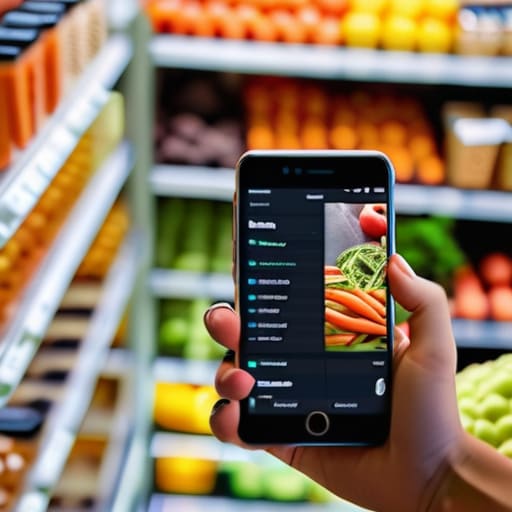
Most people treat grocery shopping like a chaotic scavenger hunt, wandering the aisles and hoping for the best. That’s a recipe for a drained bank account and a fridge full of wilted spinach. If you want to stop the bleeding, you have to start with a baseline. For me, that means budgeting for groceries isn’t about deprivation; it’s about intentionality. I treat my weekly food spend like any other operational cost. I set a hard limit in my notes app before I even step foot in the store, which creates a mental boundary that keeps me from treating the checkout line like a playground.
The real killer, though, is the “convenience tax.” We’ve all been there—grabbing that extra snack or a pre-cut fruit tray because we’re tired. These small leaks sink the ship. To combat this, I focus heavily on avoiding impulse buys by sticking to a rigid, pre-written list. If it’s not on the list, it doesn’t exist. It sounds intense, but once you build the system, it actually reduces the decision fatigue that usually leads to those mid-aisle splurges. You aren’t just saving money; you’re reclaiming the mental energy you usually waste on unnecessary choices.
Mastering Comparison Shopping Techniques to Simplify Your Life

Most people think comparison shopping means spending three hours scrolling through grocery apps to save fifty cents on olive oil. That’s not a system; that’s a second job, and it’s a fast track to burnout. I look at it differently. To me, effective comparison shopping techniques are about finding the high-leverage wins—the items you buy every single week—and checking those specific price points across your two or three main retailers. You don’t need to audit every single item in your cart; you just need to know where the big wins are hiding.
I’ve started using a few basic price tracking tools and even just a quick note in my physical notebook to keep track of the “baseline” prices for my staples. If my usual brand of coffee or oat milk is significantly higher at Store A than Store B, I make the adjustment. This isn’t about being cheap; it’s about minimizing the friction between your intent and your bank account. When you stop treating every trip like a scavenger hunt and start treating it like a data-driven routine, you stop wasting mental energy and start seeing the actual impact on your bottom line.
Five Low-Effort Systems to Stop Overspending
- Audit your digital subscriptions once a month. I used to lose twenty bucks here and ten there on apps I hadn’t opened in weeks; now, I treat my subscription list like a junk drawer—if it doesn’t serve a purpose, it gets tossed.
- Stick to a “one-in, one-out” rule for non-essentials. If you want a new gadget or a piece of clothing, something else in that category has to go. It forces you to actually weigh the value of a purchase instead of just impulse-buying your way through a scrolling session.
- Use the “24-hour cooling period” for online carts. If I see something I want, I add it to the cart but I don’t hit checkout. Usually, by the next morning, the dopamine hit has worn off and I realize I didn’t actually need it.
- Shop with a “pre-set” list, not a “vibe.” Going to the store because you “feel like cooking” is a recipe for expensive, unplanned impulse buys. Map out your essentials before you leave the house so you aren’t wandering the aisles making emotional decisions.
- Optimize your unit pricing. Don’t get distracted by the big “SALE” signs; look at the small text on the shelf tag that shows the price per ounce or per gram. That’s the only number that actually tells you if you’re getting a deal or just getting marketed to.
The Bottom Line
Look, we’ve covered a lot of ground here, from tightening up your grocery budget to actually using comparison tools without letting them turn into another digital chore. The goal isn’t to turn you into a spreadsheet-obsessed robot; it’s about building a few low-friction habits that stop the bleeding in your bank account. Whether you’re meal prepping to avoid impulse buys or just taking thirty seconds to check a price online, these small tweaks add up. You don’t need to overhaul your entire lifestyle overnight. You just need to stop letting mindless spending dictate your financial health.
At the end of the day, smart shopping isn’t about deprivation or hunting for every single cent of savings. It’s about reclaiming your mental bandwidth. Every minute you spend fighting unnecessary costs or navigating chaotic shopping trips is time you could be spending on things that actually move the needle for your life. Stop treating your finances like a series of emergencies and start treating them like a system that you control. Aim for consistency over perfection, keep your systems simple, and let the extra breathing room fuel what really matters to you.
Frequently Asked Questions
How do I actually stick to a grocery list when I'm tired and everything in the aisle looks good?
Look, I get it. You’ve had a brutal day, your brain is fried, and suddenly that extra bag of artisanal chips looks like a survival necessity. When you’re running on empty, willpower is a finite resource. Stop relying on it. Instead, use a “pre-flight checklist.” Map your list to the store layout so you aren’t wandering aimlessly, and never shop hungry. If it’s not on the list, it doesn’t exist. Keep it clinical.
Is it really worth the extra time to hunt for deals, or am I just wasting energy I could use elsewhere?
Look, I get it. The “optimization trap” is real. If you’re spending three hours a week scouring coupon apps just to save five bucks, you’ve lost the plot. That’s not a system; that’s a second job. My rule of thumb? Only hunt for deals on high-frequency, high-cost items—like your staples. For everything else, just buy it and move on. Don’t trade your mental bandwidth for pennies. Efficiency is about ROI, not just the bottom line.
What are some low-effort ways to track my spending without it feeling like a second job?
Look, if tracking every cent feels like a chore, you’re going to quit by Tuesday. Don’t do that. Instead, try the “One-Card Rule”: route all discretionary spending through a single digital account. At the end of the week, you just glance at one statement. If you need more detail, use a simple “text-to-self” system—just shoot a quick note in your phone every time you tap your card. Low friction, high visibility. Keep it simple.
How can I avoid those "convenience traps" that end up blowing my budget every single week?
Convenience traps are basically just “friction taxes.” You’re paying extra because you didn’t have a system in place to avoid the effort. To stop the bleed, I use two rules: The “Pre-emptive Prep” and the “No-Decision Zone.” Don’t walk into a store hungry or without a list; that’s how you end up with $40 of impulse snacks. If you can, batch-prep your basics on Sunday so “fast food” isn’t your only option when you’re drained.