I used to think that mastering my finances meant downloading every “premium” budgeting app on the market and color-coding a spreadsheet with twenty different categories. I spent hours every Sunday night staring at my screen, feeling more exhausted than when I started, only to realize I was just performing productivity rather than actually being productive. Most of the advice you see online about how to track your spending is way too bloated; it turns a simple task into a second full-time job that you’ll inevitably quit after three weeks because it’s just too much friction.
I’m not here to sell you on a complex system or a subscription service that promises to automate your entire life. Instead, I want to show you how to build a minimalist framework that actually sticks. I’ve stripped away the fluff to focus on a few low-friction methods that prioritize clarity over perfection. We’re going to find a way for you to see exactly where your money is going so you can stop guessing and start making intentional decisions with your bandwidth.
Table of Contents
Ditching the Chaos With Budgeting Apps for Beginners
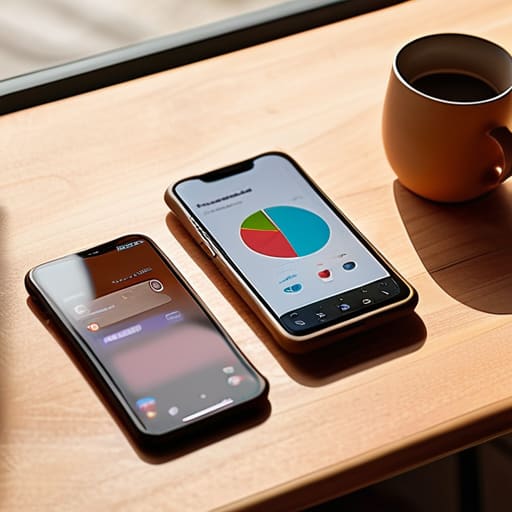
Look, I get it. The idea of manually logging every single coffee or transit fare feels like a second job you didn’t apply for. If you try to do it all in a notebook, you’ll probably give up by Wednesday. This is exactly why I lean so heavily on technology to do the heavy lifting. Using budgeting apps for beginners isn’t about being a math whiz; it’s about automating the boring stuff so you can actually see the patterns in your behavior without the manual labor.
Most of these tools sync directly with your accounts, which is a game-changer for managing personal finances without the constant mental load. Instead of staring at a pile of crumpled receipts, you get a real-time dashboard that tells you exactly where your money is leaking. My rule of thumb is to pick one app and stick with it for at least a month. Don’t get caught up in “feature creep” or trying to find the perfect, most complex setup. You just need a system that handles tracking daily expenses in the background while you actually live your life. The goal isn’t to become an accountant; it’s to build enough financial awareness to make better choices without feeling like you’re being punished.
Simple Tracking Daily Expenses Without the Headache

If apps feel too automated or disconnected for you, I get it. Sometimes you need to actually feel the transaction to make it stick. I’ve found that the most effective way to master tracking daily expenses isn’t through a complex software suite, but through a low-friction habit. For me, that means the “end-of-day brain dump.” Before I close my laptop or head to bed, I take two minutes to glance at my banking app and jot down anything I spent that day into my physical pocket notebook.
There is something about the tactile act of writing it down that builds a level of financial awareness an algorithm just can’t replicate. You aren’t just logging numbers; you’re acknowledging your choices. If you prefer staying digital but want more control than an app provides, try using a basic monthly budget template in Google Sheets or Notion. Don’t try to categorize every single cent—that’s a recipe for burnout. Just focus on the big buckets: food, transport, and “the stuff I probably didn’t need.” Once you stop treating your money like a black box, you’ll start seeing exactly where you can trim the fat without feeling deprived.
Five ways to stop the leak without losing your mind
- Pick one “source of truth” and stick to it. Whether it’s a dedicated banking app, a simple Notion page, or my trusty pocket notebook, the biggest mistake is trying to track things in three different places. Pick one method that feels the least intrusive and make that your single home for data.
- Schedule a weekly “finance sync.” Don’t try to audit your life every single night; you’ll burn out by Tuesday. Instead, set aside 15 minutes every Sunday morning—maybe while you’re having your coffee—to just look at the numbers. It keeps the data fresh without it becoming a second job.
- Categorize by “Need” vs. “Want,” not by store name. I don’t care if you spent $50 at Target; I care if that was groceries or a new desk lamp. Grouping things into broad buckets like ‘Fixed Costs’ and ‘Lifestyle’ makes it way easier to see exactly where you have room to pivot.
- Automate the boring stuff. If your bank allows you to export CSV files or auto-categorize transactions, use it. My goal is always to reduce the number of manual entries I have to make. The less friction there is between spending money and recording it, the more likely you are to actually do it.
- Forgive the “oops” moments. You’re going to have a week where you forget to log a dinner or blow your budget on something impulsive. Don’t let one bad week turn into a month of ignoring the system entirely. Just reset the next day. We’re building a system, not a prison.
Bringing It All Together
At the end of the day, tracking your spending isn’t about becoming a math whiz or living a life of extreme deprivation. It’s about choosing between the tools that actually work for you—whether that’s a streamlined app or a quick note in your pocket notebook—and the chaos of wondering where your paycheck went. We’ve covered how to ditch the manual headache and how to set up systems that catch your daily expenses without making it feel like a second job. The goal here isn’t to achieve flawless accounting; it’s simply to build enough visibility so that your money starts serving your life, rather than the other way around.
I know it feels overwhelming to start, especially when the numbers look messy or you feel like you’ve already blown your budget for the month. But remember, we aren’t aiming for perfection; we’re just aiming for systems that work. Don’t let the fear of doing it “wrong” stop you from doing it at all. Start small, stay consistent, and give yourself some grace when things get off track. Once you strip away the noise and actually see the patterns, you’ll realize that financial clarity is one of the fastest ways to reclaim your mental bandwidth. You’ve got this.
Frequently Asked Questions
How much time should I actually be spending on this every week without it becoming a second job?
Look, if you’re spending more than 15 to 20 minutes a week on this, your system is broken. Tracking shouldn’t be a marathon; it’s just a quick maintenance check. I aim for a five-minute “brain dump” every evening to log anything I missed, plus one solid 10-minute review on Sundays to see the big picture. If it starts feeling like a chore, strip the process back. We want visibility, not a second job.
Is it better to track every single cent, or is it okay to just group things into broad categories?
Look, if you try to track every single cent, you’re going to burn out in two weeks. That’s not a system; that’s a second job. I’m all about optimization, and obsessing over a $2 coffee is a waste of your mental bandwidth. Group things into broad categories—Groceries, Rent, Fun—and focus on the big numbers. Aim for the signal, not the noise. If the big picture looks good, you’re winning.
What do I do if I miss a few days of tracking—do I just scrap the whole month and start over?
Look, don’t do that. The second you scrap the whole month, you’ve turned a minor slip-up into a total system failure, and that’s how bad habits actually stick. Just pick up where you are right now. If you missed three days, leave them blank or just estimate them if you can. The goal isn’t a perfect data set; it’s building the habit of showing up. Just restart today. No big deal.
How do I stop feeling guilty or anxious every time I have to look at my actual spending numbers?
Look, I get it. Staring at those numbers can feel like looking at a report card you failed. But here’s the thing: those numbers aren’t a judgment on your character; they’re just data. In systems engineering, we don’t get mad at a glitch; we just find where the friction is. Stop treating your bank statement like a moral compass and start treating it like a diagnostic tool. Once you detach the emotion, the anxiety starts to fade.