I spent most of last Tuesday staring at a blinking cursor, my brain feeling like a browser with fifty tabs open and half of them frozen. I wasn’t lazy; I was just paralyzed by the sheer weight of everything I “should” be doing. Most of the advice you find online about how to stop procrastinating is absolute garbage—it’s always some high-level, expensive masterclass or a “life-changing” morning routine that requires you to wake up at 4:00 AM. I’m tired of the hype. You don’t need a digital detox or a $50 planner to get your life together; you just need to stop treating your brain like a machine that’s supposed to run perfectly without any friction.
I’m not here to sell you on perfection or some overnight transformation. My goal is to share the actual, messy systems I’ve built as an analyst to strip away the noise and just get things moving. We’re going to look at low-effort, high-impact tweaks that actually work when you’re feeling burnt out. This isn’t about willpower; it’s about building systems that work so you can finally reclaim your headspace.
Table of Contents
Understanding the Psychology of Procrastination
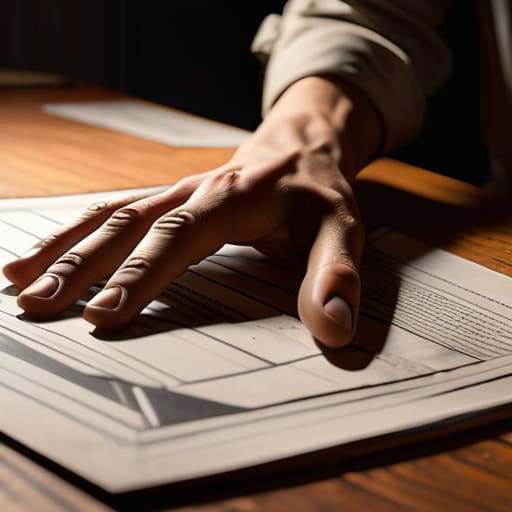
Here’s the thing: procrastination isn’t a character flaw or a sign that you’re lazy. I used to think that too, especially back when I was trying to balance my engineering coursework with a part-time gig. In reality, it’s an emotional regulation problem. When we face a task that feels overwhelming, boring, or even just slightly intimidating, our brains treat it like a physical threat. We aren’t avoiding the work; we’re avoiding the negative feelings associated with the work. This is the core of the psychology of procrastination—it’s a survival mechanism gone wrong, where your brain chooses immediate relief over long-term stability.
This often manifests as what I call “the freeze.” You sit down at your desk, stare at a blank screen, and suddenly your entire to-do list feels like a mountain you can’t possibly climb. That feeling? That’s overcoming task paralysis in reverse. It’s often tied to managing executive dysfunction, where the mental energy required to simply start feels higher than your current battery life allows. Instead of seeing a project as a series of steps, your brain sees one giant, looming obstacle. Once you realize you’re fighting an emotional response rather than a lack of willpower, you can stop beating yourself up and start building systems to bypass the friction.
Managing Executive Dysfunction With Low Friction Systems

When I’m staring at a massive project and my brain just refuses to engage, I’m not being lazy—I’m experiencing task paralysis. It feels like there’s a physical barrier between my intention and my ability to actually move. This is where managing executive dysfunction becomes less about willpower and more about engineering your environment. If the barrier to entry is too high, you’ll never cross it. I’ve learned that the goal isn’t to find more motivation; it’s to lower the friction required to start.
Instead of trying to tackle the whole mountain, I focus on breaking down large tasks into versions so small they feel almost insulting to my intelligence. I don’t write “Finish quarterly report” on my notebook; I write “Open Excel and name the file.” By shrinking the initial requirement, you bypass that internal alarm system that triggers the freeze response. It’s about creating a low-friction entry point that allows you to build momentum without needing a massive surge of dopamine to get started. Once the file is open, the hardest part is already behind you.
5 Low-Friction Tactics to Actually Get Sh*t Done
- The Two-Minute Rule: If a task takes less than two minutes—answering that one email, clearing your desk, filing a receipt—just do it immediately. Don’t add it to a list, don’t “schedule” it, just kill it. It stops the tiny, nagging tasks from turning into a mountain of mental clutter.
- Use “Micro-Milestones” to Trick Your Brain: Big projects are terrifying; they trigger that freeze response. Instead of writing “Finish Quarterly Report” on your to-do list, write “Open Excel and name the file.” Once you break the seal on the first tiny action, the momentum usually carries you through the rest.
- Build a “Distraction Buffer”: I can’t work if my phone is buzzing every thirty seconds. When I need to go deep, I put my phone in another room or use a physical timer. If you remove the easiest exit ramp for your attention, your brain eventually accepts that it’s time to work.
- The “Done is Better Than Perfect” Mantra: Perfectionism is just procrastination in a fancy suit. I used to spend hours tweaking the formatting of a spreadsheet before even finishing the data entry. Stop trying to make it perfect on the first pass. Get a messy version down first; you can optimize later.
- Set a “Low-Bar” Daily Goal: On days when my brain feels like mush, I don’t try to crush a 10-hour workday. I pick one single, non-negotiable task. If I do that one thing, the day is a win. It keeps the streak alive and prevents the “all-or-nothing” spiral that leads to total burnout.
Stop Waiting for the "Right Time"
Look, we’ve covered a lot of ground here. We talked about why your brain is actually trying to protect you from stress when you procrastinate, and how you can stop fighting your own biology by building low-friction systems that actually work. The takeaway isn’t that you need to overhaul your entire life by Monday morning; it’s about realizing that you can’t think your way out of a productivity slump—you have to systematize your way out. Whether it’s breaking a task down into a tiny, ridiculous micro-step or setting up a workspace that doesn’t trigger immediate distraction, the goal is to reduce the mental energy required to just start.
At the end of the day, I want you to let go of the idea that you need to be a productivity machine. I spent years trying to optimize every single second of my day until I realized that perfection is just another form of procrastination. You don’t need a flawless routine; you just need a system that works well enough to keep you moving forward. Life is messy, and your workflow will be too. Don’t aim for a perfect streak—just aim to build momentum, one small, imperfect step at a time. You’ve got this.
Frequently Asked Questions
What do I do when my "low-friction" system still feels too overwhelming to start?
When even a low-friction system feels like a mountain, you’ve hit the “friction ceiling.” Your system is still too big. Stop trying to “do the task” and just do the first ten seconds. If you need to write a report, your only job is to open the laptop and create a blank doc. That’s it. Don’t look at the syllabus or the deadline. Just win the next ten seconds. Shrink the goal until it feels stupidly easy.
How can I tell the difference between genuine burnout and just being a procrastinator?
Here’s the line: procrastination is usually about avoiding a specific task because it feels heavy or boring. You still have the energy; you just lack the will. Burnout is different. It’s not about one task; it’s about your entire battery being drained. If you feel a sense of dread toward everything—even things you usually love—and your brain feels physically foggy, that’s not laziness. That’s burnout. Don’t try to “optimize” your way out of exhaustion.
Is it possible to build these systems if I have zero energy left at the end of my workday?
Honestly? If you’re running on empty, don’t try to build a new system at night. That’s a recipe for more burnout. When you’re drained, your brain doesn’t want “optimization”—it wants sleep. Instead, do a two-minute “brain dump” in your notebook before you close your laptop. Just offload the mental clutter so it’s not looping in your head while you try to rest. Build the actual system tomorrow morning when you actually have the bandwidth.
How much of my procrastination is actually just me being addicted to my phone and digital distractions?
Honestly? Probably most of it. We like to tell ourselves we’re “thinking” or “waiting for inspiration,” but usually, we’re just chasing a dopamine hit. Your phone is literally engineered to hijack your focus. It’s not a lack of willpower; it’s a design flaw in your environment. If your phone is sitting face-up next to you, you aren’t fighting procrastination—you’re fighting a billion-dollar algorithm. You can’t win that fight without physical distance.