I was staring at my dual-monitor setup last Tuesday, eyes burning from blue light and my brain feeling like a browser with sixty tabs open, when I realized I was actually failing at my own optimization goals. I’d spent three hours researching the latest productivity apps and biohacking gadgets, completely ignoring the most basic system update available to us. We’ve been sold this idea that mental clarity requires expensive retreats or complex mindfulness regimens, but honestly, the real benefits of time in nature don’t come from a premium subscription or a curated wellness retreat. It’s much simpler—and much more effective—than the influencers want you to believe.
I’m not here to give you a poetic lecture on the beauty of a sunset or some vague, spiritual fluff. My goal is to treat your mental bandwidth like the finite resource it is. I’m going to break down how you can integrate small, low-friction outdoor habits into an already chaotic schedule to actually reset your nervous system. No fluff, no expensive gear, just systems that work to help you stop fighting your own brain and start reclaiming your focus.
Table of Contents
Why Your System Needs a Natural Mental Reset

Look, we spend most of our lives staring at high-resolution screens that are essentially designed to keep us in a state of constant, low-level fight-or-flight. My engineering brain knows that you can’t run a processor at 100% capacity indefinitely without it overheating. Humans are the same. When we stay trapped in urban, digital loops, our bodies stay stuck in a stress response. One of the most direct ways to break that cycle is through reducing cortisol through outdoor activity. It’s not just some “woo-woo” concept; it’s a physiological necessity to lower those stress hormones that keep you feeling wired but tired.
I used to think I could “optimize” my way out of burnout with better task managers or new apps, but you can’t patch a hardware problem with software. The impact of green spaces on cognitive function is real—nature acts like a hard reset for your attention span. When you step into a park or a forest, you stop the frantic, directed focus required by your inbox and shift into a more effortless state of awareness. This isn’t about a weekend retreat or a massive lifestyle overhaul; it’s about recognizing that your brain needs a different kind of input to actually function at its peak.
Reducing Cortisol Through Outdoor Activity Without the Fluff
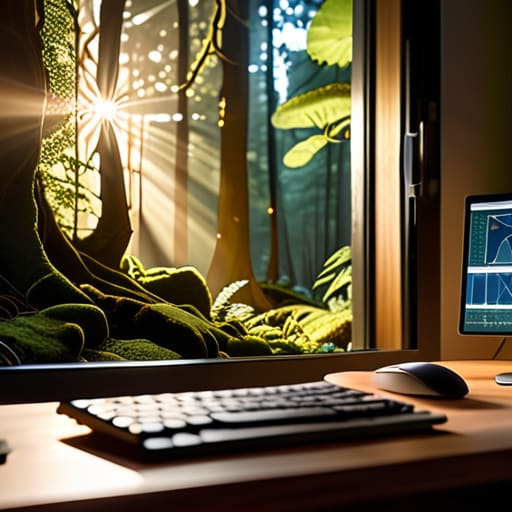
Look, I’m not a doctor, but I am a systems guy. I look at stress like a feedback loop that’s gone rogue. When you’re staring at a dual-monitor setup for ten hours straight, your body isn’t just “tired”—it’s stuck in a physiological high-alert state. We talk about burnout like it’s a mental choice, but it’s actually a biological reality. This is where reducing cortisol through outdoor activity moves from “wellness fluff” to a legitimate operational necessity. When you step outside, you aren’t just taking a break; you are actively signaling to your nervous system that the immediate threat—the inbox, the Slack notifications, the looming deadline—is gone.
The science behind this is pretty straightforward. There’s this concept called the biophilia hypothesis, which basically suggests we have an innate, evolutionary need to connect with other forms of life. When we ignore that, our systems crash. I’ve found that even a twenty-minute walk without a podcast playing can drastically shift my baseline. It’s about the physiological effects of natural environments acting as a manual override for your stress response. You don’t need a mountain retreat or a week in the woods to make this work; you just need to stop treating your brain like a machine that can run on high-octane stress indefinitely.
Low-Friction Ways to Integrate Nature Into Your Workflow
- Stop waiting for a weekend hiking trip to reset. If you’re hitting a wall at 2 PM, take your next 15-minute call outside. The change in sensory input is often enough to break a cognitive loop.
- Use the “No-Phone Walk” rule. When you step outside, leave the smartphone on your desk. If you’re constantly checking notifications, you aren’t actually resetting your brain; you’re just moving the digital noise to a different setting.
- Optimize your workspace with biological cues. If you can’t get to a park, get some high-quality sunlight on your face first thing in the morning and add a few low-maintenance plants to your desk. It’s a small hack, but it helps signal to your nervous system that you aren’t trapped in a concrete box.
- Practice “Micro-Dosing” green space. You don’t need a forest; a single tree in a city park or even a view of a garden works. Even five minutes of looking at something non-digital and organic can lower your baseline stress levels.
- Schedule your outdoor time like a non-negotiable meeting. If it isn’t in your calendar, it won’t happen. Treat a 20-minute walk with the same level of importance as a sync with your manager. Your output depends on it.
The Bottom Line
Look, I’m not telling you to quit your job and move into a cabin in the woods. That’s not a system; that’s an escape. What I am saying is that we need to stop treating nature like a luxury and start treating it like a necessary maintenance window for our brains. We’ve already looked at how stepping outside can physically lower your cortisol and how a simple change of scenery acts as a hard reset for your cognitive load. Whether it’s a ten-minute walk during lunch or a weekend hike, the goal is to break the cycle of digital overstimulation before it breaks you. It’s about small, repeatable inputs that yield massive long-term outputs.
At the end of the day, your productivity and your peace of mind aren’t at odds—they’re deeply connected. You can’t optimize a system that is constantly running on empty and overheating. Don’t wait for a massive burnout to force you into a break; build the “outdoor reset” into your weekly workflow now. Stop over-engineering your life and just go outside. It’s the simplest, most effective tool in your kit, and it doesn’t require a single software update to work.
Frequently Asked Questions
How much time do I actually need outside to see a difference in my focus?
Look, you don’t need a three-hour hike to see a return on investment. If you’re looking for the “minimum viable dose” to stop the brain fog, aim for 20 minutes. That’s the sweet spot where your cortisol levels actually start to dip and your focus resets. Even if it’s just a quick walk around the block without your phone, treat it like a scheduled system reboot. Short, frequent bursts beat one long session every two weeks.
What if I live in a concrete jungle and don't have a forest nearby?
Look, I get it. I grew up in a city where “nature” was a single, struggling tree in a concrete plaza. You don’t need a national park to reset your nervous system. Look for “micro-doses” of green. Find a small park, even if it’s just a patch of grass between buildings, or even just sit by a window with a view of some trees. The goal is visual complexity and a break from screens, not a hiking expedition.
Does it actually matter if I'm active, or can I just sit on a park bench?
Look, if you’re completely redlining from burnout, sitting on a park bench is a massive win over staring at a spreadsheet. Don’t overthink it. That passive exposure alone helps lower your baseline stress. But, if you want to actually optimize the reset, movement is the cheat code. A quick walk turns a “break” into a physiological recalibration. My rule of thumb? Start with the bench if you have to, but aim for the walk if you can.
How do I make this a consistent habit without it feeling like another chore on my to-do list?
The mistake most people make is treating a “nature walk” like a gym session—something that requires prep, gear, and a scheduled slot. That’s how it becomes a chore.