Developing Sustainable Eating Habits for the Long Run

I’m so tired of seeing “wellness influencers” sell us $200 worth of organic powders and complicated meal prep schedules that require a PhD to follow. Most of the advice out there on how to build better eating habits feels like it was designed by someone who has nothing better to do than track every single macro in a spreadsheet. It’s exhausting, it’s expensive, and frankly, it’s a recipe for burnout. I grew up watching my parents crash and burn trying to follow these “perfect” dietary protocols, only to end up ordering takeout by Wednesday because the system was too rigid to survive a real work week.

Here’s my promise: we aren’t going to chase perfection or buy a bunch of unnecessary gadgets. Instead, I want to show you how to apply a bit of systems engineering to your kitchen. I’m going to share the low-friction, practical frameworks I use to keep my energy up without making food feel like a second job. We’re going to focus on building sustainable loops rather than temporary fixes, so you can stop fighting your cravings and start focusing on what actually matters.

Table of Contents

Simple Meal Planning for Beginners Who Hate Complexity
Simple Meal Planning for Beginners Who Hate Complexity

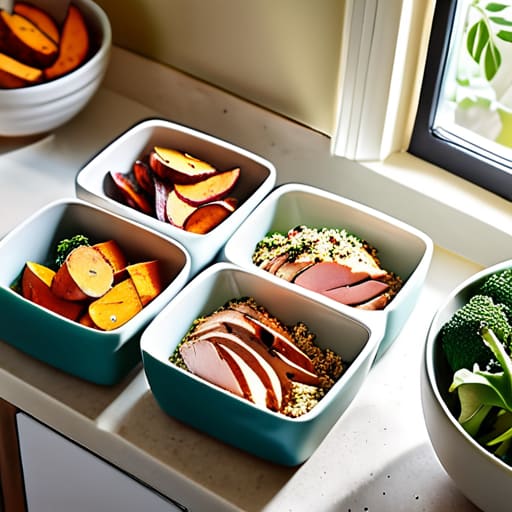
Most people think meal planning means spending six hours on a Sunday afternoon in a sterile kitchen, portioning out Tupperware like they’re preparing for a long-term apocalypse. That’s a recipe for burnout, and honestly, it’s why most people quit by Wednesday. If you’re looking for meal planning for beginners, my advice is to ditch the rigid schedules and embrace a “component” mindset instead. Rather than cooking complex recipes, just prep a few versatile building blocks: a grain, a roasted veggie, and a protein. This gives you the flexibility to mix and match throughout the week without feeling like you’re eating the exact same mush every single day.

The goal here isn’t to become a gourmet chef; it’s to reduce the number of decisions you have to make when you’re tired and hungry. When you have these components ready, you’re much less likely to fall into the trap of mindless snacking or ordering takeout because you’re too drained to think. It’s about creating low-friction systems that support your goals. By focusing on these small, repeatable wins, you’re making sustainable dietary changes that actually fit into a busy schedule rather than fighting against it. Keep it simple, keep it modular, and let the system do the heavy lifting for you.

Nutritional Balance Tips That Wont Drain Your Brain

Nutritional Balance Tips That Wont Drain Your Brain

The biggest mistake I see people make is treating nutrition like a math exam. If you try to track every single macro and calorie from day one, you’re going to burn out by Tuesday. Instead of obsessing over numbers, I look for nutritional balance tips that focus on the “plate method.” Basically, just try to eyeball your plate so half of it is colorful stuff—veggies, mostly—and the rest is your protein and carbs. It’s a low-friction way to ensure you’re actually fueling your body without needing a spreadsheet to do it.

Another thing that saved my sanity was moving away from the “all or nothing” mindset. When I was feeling stressed at work, I’d often default to mindless snacking, which is basically just overcoming emotional eating in reverse. I started implementing a few simple mindful eating techniques, like actually sitting at a table instead of eating over my keyboard. It sounds small, but it forces you to actually register when you’re full. We aren’t looking for a perfect diet; we’re just trying to build a system where you’re making intentional choices rather than reactive ones.

Small Tweaks to Stop the Decision Fatigue

  • Stop treating every meal like a high-stakes project. If you’re too tired to cook, have a “fallback meal” ready—something healthy but zero-effort, like Greek yogurt and berries or a pre-washed salad kit. It prevents the inevitable 8 PM pivot to takeout.
  • Use the “Add, Don’t Subtract” rule. Instead of obsessing over what you can’t eat (which just makes you crave it more), focus on what you can add to the plate. Need more fiber? Throw a handful of spinach into that pasta. Need more protein? Add an egg to your toast. It’s way less mentally taxing.
  • Batch your “infrastructure,” not just your meals. You don’t have to spend five hours on Sunday cooking entire recipes. Just prep the components: wash the fruit, boil some eggs, or roast a tray of veggies. Having the building blocks ready makes assembly feel like a win rather than a chore.
  • Audit your environment, not your willpower. If the junk food is sitting on your counter, you’re eventually going to eat it. I’ve learned that my willpower is a finite resource that runs out by Tuesday. Move the easy snacks to a high shelf or a different room, and keep the high-utility stuff front and center.
  • Build in a “buffer zone” for social life. Don’t try to be a nutrition robot. If you have a heavy dinner planned with friends, just adjust your lunch to be lighter and more protein-focused. Systems work best when they have room to breathe, not when they’re so rigid they snap the moment life happens.

The Bottom Line

Look, we’ve covered a lot of ground, from stripping the friction out of meal planning to finding a nutritional balance that doesn’t require a PhD in biochemistry. If you take nothing else away from this, remember that the goal isn’t to transform into a person who eats nothing but steamed kale and organic quinoa. It’s about building a sustainable framework that handles the heavy lifting for you. By simplifying your prep and focusing on basic balance rather than rigid restriction, you’re essentially building a system that works even on your most chaotic, high-stress days.

At the end of the day, your habits should serve you, not the other way around. If a specific system feels too heavy or starts to feel like another chore on your to-do list, scrap it and tweak it. We aren’t aiming for a flawless diet; we’re just trying to reduce the mental load of making healthy choices. Don’t let the pursuit of a “perfect” lifestyle get in the way of a functional one. Just pick one small thing, implement it this week, and keep moving forward. You’ve got this.

Frequently Asked Questions

What do I do when my schedule completely falls apart and I can't follow my meal plan?

Look, I’ve been there. A deadline spikes, your calendar turns into a dumpster fire, and suddenly your meal prep is sitting in the fridge while you’re eating cereal over your keyboard at 9 PM.

How do I stop mindless snacking when I'm stressed or working late?

The “stress-snack loop” is usually just a glitch in your system. When your brain hits a wall, it craves quick dopamine, and sugar is the easiest fix. To break it, I use a friction-based approach. First, keep the “emergency” snacks out of sight—if you have to stand up and open a cupboard to find them, you’ve bought yourself ten seconds of logic. Second, keep a high-quality water bottle at your desk. Often, your brain is just signaling thirst or boredom. Keep it simple: hydrate first, then decide if you’re actually hungry.

Is it worth spending extra time on meal prep, or should I just focus on better takeout choices?

Honestly? It’s not an either/or situation. If you’re already drowning in work, don’t force yourself into a four-hour Sunday meal prep marathon—that’s a recipe for burnout. Instead, aim for a hybrid. Use meal prep to handle the high-friction stuff (like cooking a big batch of grains or protein) and use better takeout choices to fill the gaps. It’s about reducing decision fatigue, not adding more chores to your list.

How do I track my progress without turning eating into another stressful chore?

Stop trying to count every single calorie; that’s a fast track to burnout. Instead, use “low-friction tracking.” I started using a simple habit tracker in my pocket notebook—just a checkmark if I hit my protein goal or ate enough greens. If you want digital, use an app just to log meals once or twice a week for a quick pulse check, not every single bite. Track the trends, not the perfection.

Boosting Your Energy Naturally (no Caffeine Required)

I was sitting at my desk last Tuesday, staring at a spreadsheet that felt like it was written in ancient hieroglyphics, when I realized I’d hit a wall. I wasn’t just tired; I was functionally useless. My immediate instinct was to reach for a third espresso or some overpriced, neon-colored “wellness shot” I saw on Instagram, but that’s exactly the kind of cycle I’m trying to break. We’ve been sold this lie that if we just find the right expensive supplement or the most complex biohack, we’ll suddenly become superhuman. Honestly, most of the advice out there regarding natural ways to boost energy is just more digital noise designed to drain your wallet rather than your fatigue.

I’m not here to sell you a lifestyle overhaul or a $100 jar of adaptogens. Instead, I want to share the actual, low-friction systems I’ve built to keep my brain from redlining by 2:00 PM. We’re going to skip the fluff and focus on a few high-leverage habits that actually move the needle. My goal is to help you strip away the complexity and find the simple, sustainable shifts that let you reclaim your focus without feeling like you’re fighting your own biology.

Table of Contents

Smart Dietary Habits for Vitality Without the Complexity

Smart Dietary Habits for Vitality Without the Complexity

Look, I’m not going to tell you to start meal prepping organic kale salads for three hours every Sunday. That’s a recipe for burnout, not vitality. Instead, I focus on small, systemic tweaks to how I fuel my day. One of the biggest mistakes I see is the reliance on a massive, sugar-heavy lunch that inevitably leads to that soul-crushing 3:00 PM crash. If you want to combat the afternoon slump without reaching for a third espresso, try prioritizing protein and complex carbs. It keeps your blood sugar from spiking and cratering, which is basically the secret to steady, reliable focus.

I’ve also realized that my brain’s performance is directly tied to how I manage my fluids. It sounds basic, but even mild dehydration can make you feel like you’re walking through sludge. I keep a dedicated water bottle at my desk—not because I love drinking water, but because hydration and mental alertness are mathematically linked. If you feel that mental fog creeping in, don’t grab a snack; grab a glass of water first. It’s a low-effort, high-reward system that keeps the gears turning without the extra complexity.

Finding Natural Caffeine Alternatives That Actually Work

Finding Natural Caffeine Alternatives That Actually Work

Look, I get it. I used to be the guy living on a cycle of triple espressos and sheer willpower, only to crash hard by 3:00 PM. The problem with relying solely on coffee is that it’s a high-interest loan on your future energy; you feel great for an hour, but you’re paying for it later with jitters and a massive crash. If you’re trying to combat the afternoon slump without the subsequent heart palpitations, you need to look at natural caffeine alternatives that offer a smoother curve.

I’ve started experimenting with matcha and yerba mate. Unlike the jagged spike you get from a standard drip coffee, matcha contains L-theanine, which promotes a state of “calm alertness.” It’s basically a way to get the focus without the frantic edge. Another underrated move is switching to herbal infusions like peppermint or ginger tea. They don’t provide a chemical stimulant, but the sensory shift and the warmth can actually reset your focus. It’s less about forcing your nervous system to rev up and more about finding a steady baseline that doesn’t leave you feeling wrecked by dinner time.

Low-Friction Systems to Keep Your Battery From Hitting Zero

  • Stop treating sleep like an optional luxury. I stopped trying to hit a perfect 8 hours and started focusing on a consistent “wind-down” system—no screens 30 minutes before bed, lights dimmed, just a physical book. It’s about the quality of the shutdown, not just the duration.
  • Movement doesn’t have to mean a grueling hour at the gym. When I feel that mid-afternoon brain fog setting in, I don’t reach for a snack; I do five minutes of mobility work or just a quick walk around the block. It’s about resetting your nervous system, not breaking a sweat.
  • Optimize your light exposure. This sounds like some high-level biohacking nonsense, but it’s actually dead simple: get outside and see actual sunlight within an hour of waking up. It sets your circadian rhythm so your body knows exactly when to be alert and when to crash.
  • Audit your “digital noise.” Constant notifications are tiny energy leaks that drain your mental bandwidth throughout the day. I started batching my non-essential notifications so I’m not being jolted awake by every random app ping. Protect your focus like it’s your most valuable asset—because it is.
  • Master the art of the strategic break. We’ve been conditioned to believe that grinding through fatigue is a badge of honor, but it’s actually just inefficient. Use the Pomodoro technique or something similar to build in scheduled “nothing” time. Working in sprints with intentional rest is way more sustainable than a slow, steady burn toward burnout.

Systems Over Spikes

Look, we’ve covered a lot of ground here, from tweaking your fuel to finding better ways to manage that midday slump without relying on a fifth espresso. The common thread is that energy isn’t something you can just “hack” with a magic pill or a single superfood; it’s the byproduct of the small, repetitive systems you build throughout your day. Whether it’s choosing stable blood sugar over a sugar crash or swapping out jittery stimulants for something more sustainable, the goal is to stop the constant cycle of burnout and recovery. It’s about building a foundation that supports your output rather than just masking your exhaustion.

If you try to overhaul everything at once, you’re going to fail—I’ve been there, and it’s a recipe for more stress, not more energy. My advice? Pick just one thing from this list. Maybe it’s a better breakfast, or maybe it’s finally setting a consistent wind-down routine. Start there. We aren’t looking for a perfect, high-performance machine; we are just trying to build a sustainable way to live. Focus on the small wins, keep your systems simple, and let the momentum do the heavy lifting. You’ve got this.

Frequently Asked Questions

How do I tell the difference between actual burnout and just being physically tired?

Here’s the quick way I distinguish them: Physical tiredness is a battery issue—you sleep, and you feel recharged. Burnout is a system failure. You can sleep for ten hours, but you still wake up feeling heavy, cynical, or totally detached from things you usually love. If rest doesn’t fix the fatigue, it’s not your body asking for sleep; it’s your brain asking for a different way of operating.

Is it possible to fix my energy levels if my sleep schedule is already a total mess?

Look, I’ve been there. When your sleep schedule is a wreck, trying to “fix” it feels like trying to debug a massive, broken codebase. It’s overwhelming. But yes, it’s possible. Don’t aim for a perfect 10 PM bedtime immediately—that’s a recipe for burnout. Instead, focus on “anchor habits.” Fix your wake-up time first, get some sunlight in your eyes, and stop fighting the chaos. We’re just looking for small, stable systems to rebuild from.

Won't switching from coffee to natural alternatives just lead to a different kind of crash?

That’s a fair concern—and honestly, if you just swap coffee for a sugary “natural” energy drink, you’re just trading one crash for another. The goal isn’t to find a new way to spike your system; it’s about smoothing out the peaks and valleys. I look at it like managing a power grid. We’re moving away from those violent surges and aiming for a steady, sustainable flow of energy that doesn’t leave you wrecked by 3 PM.

How much of this is actually about my diet versus just being chronically stressed?

Honestly? It’s usually both, and they’re feeding into each other in a nasty loop. If you’re stressed, your cortisol is spiking, which makes you crave quick sugar hits, which then leads to the inevitable energy crash. It’s a feedback loop. You can’t out-eat chronic stress, and you can’t out-meditate a terrible diet. My advice: fix the nutrition to stabilize your baseline, but if your nervous system is fried, no amount of kale will save you.

How to Fight Off That Mid-afternoon Energy Crash

I used to think that solving my 3 PM crash meant buying every “brain-boosting” supplement on Amazon or chugging a third cold brew just to keep my eyes open. It was a total lie. I was treating my body like a piece of hardware that just needed more voltage, ignoring the fact that my actual operating system was crashing. I spent months stuck in a cycle of caffeine spikes and inevitable nose-dives, searching for some magic pill for how to beat afternoon fatigue when the answer was actually much more boring—and much more effective—than a $50 jar of nootropics.

I’m not here to sell you a lifestyle overhaul or a complicated biohacking protocol that takes three hours to prep. My goal is to strip away the noise and give you a few low-friction systems that actually work in the real world. We’re going to look at small, tactical shifts in your environment and habits that stop the energy drain before it starts. No fluff, no hype—just a few practical adjustments to help you reclaim your focus and get through the workday without feeling like a zombie.

Table of Contents

Decoding the Post Lunch Dip Causes

Decoding the Post Lunch Dip Causes explained.

Before we jump into the fixes, we need to understand why your brain decides to go offline right around 2:30 PM. It’s easy to blame a bad night’s sleep, but usually, it’s a combination of biology and how we fuel ourselves. One of the biggest culprits is the relationship between your circadian rhythm and energy levels. Even without a massive meal, our internal clocks naturally signal a slight dip in alertness during the early afternoon. It’s not a flaw in your character; it’s just how humans are wired.

However, we often make that natural dip much worse through poor choices. I’ve spent way too much time analyzing my own data, and I’ve realized that certain dietary triggers for midday tiredness are basically productivity killers. If you’re hitting a heavy pasta dish or a sugary snack for lunch, you’re setting yourself up for a massive insulin spike followed by an inevitable crash. It’s a cycle of borrowing energy from your future self that you can’t actually afford. Once that blood sugar rollercoaster starts, no amount of willpower is going to keep you focused on that spreadsheet.

Syncing Your Circadian Rhythm and Energy Levels

Syncing Your Circadian Rhythm and Energy Levels

Most of us treat our energy like a light switch—we expect it to be ON when we sit down to work and OFF when we hit the couch. But your biology doesn’t work that way. Your body operates on an internal clock that dictates when you should be alert and when you should be winding down. When we ignore the connection between circadian rhythm and energy levels, we end up fighting a losing battle against our own biology. If you’re consistently crashing, it’s usually because your internal clock is out of sync with your actual lifestyle.

The fix isn’t a third espresso; it’s about light and timing. I’ve found that getting direct sunlight in my eyes within thirty minutes of waking up sets a “timer” for my brain that helps stabilize my rhythm throughout the day. This is one of the most effective natural ways to increase alertness without the jittery comedown. If you spend your morning in a dark room staring at a blue-light screen, you’re essentially telling your brain it’s perpetually twilight. By aligning your light exposure with your natural cycle, you create a much more predictable baseline of energy, making that dreaded afternoon slump far less intense.

5 Low-Friction Systems to Reclaim Your Afternoon

  • Stop the caffeine treadmill. If you’re slamming an espresso at 3 PM to survive, you’re just borrowing energy from tomorrow and paying it back with interest. Try switching to herbal tea or just plain cold water; it stops the cycle of jittery peaks and inevitable crashes.
  • Master the “Micro-Movement” rule. When the brain fog hits, don’t just stare at your monitor waiting for it to clear. Stand up, do ten air squats, or walk to the window. You need to signal to your nervous system that it’s not time to hibernate.
  • Curate your lunch for stability, not just satisfaction. Heavy, carb-loaded meals are basically a sedative for your brain. I’ve found that prioritizing protein and fats keeps my glucose levels from cratering, which means no more post-meal coma.
  • Use “Low-Cognitive” task batching. Instead of fighting a losing battle against a complex spreadsheet when your brain is fried, pivot. Save your mindless admin, filing, or email clearing for that low-energy window so you aren’t wasting your peak hours on easy stuff.
  • Implement a 10-minute “Digital Reset.” Our screens are constant noise. When the fatigue sets in, step away from every single glowing rectangle. Even ten minutes of looking at something non-digital helps reset your mental bandwidth and reduces the sensory overload that mimics tiredness.

The Bottom Line

Look, we’ve covered a lot of ground here, from understanding why your biology is pulling the plug on your focus to how you can actually sync your schedule with your natural rhythm. Beating that afternoon slump isn’t about some magic supplement or a third cup of espresso; it’s about managing your inputs. Whether it’s tweaking your lunch to avoid a glucose spike or finally respecting your circadian rhythm, the goal is to stop treating your energy like an infinite resource. You have to start building systems that work with your body, not against it. If you try to implement everything we talked about at once, you’ll just burn out—so pick one thing, test it, and see how it shifts your baseline.

At the end of the day, I don’t want you to become a productivity robot. I’m not interested in optimizing every single second of your existence until there’s nothing left of your personality. My philosophy is simple: we optimize our tools and habits so we can actually live our lives. When you stop fighting the constant battle against midday brain fog, you reclaim that mental bandwidth for the things that actually matter—your hobbies, your people, and your peace of mind. Don’t aim for a perfect, high-performance machine; just aim for a system that lets you breathe.

Frequently Asked Questions

Is it actually worth skipping lunch if I want to avoid that heavy, sleepy feeling?

Honestly? No. Skipping lunch is just a band-aid that’ll lead to a massive crash later. If you go into a fasted state during your peak working hours, your brain will eventually run out of fuel, and you’ll end up staring blankly at your monitor by 4 PM. Instead of skipping, focus on the composition of the meal. Swap the heavy pasta for something with protein and fiber. It’s about steady fuel, not total deprivation.

How much caffeine is too much before it actually starts messing with my sleep later?

Here’s the reality: it’s less about the total milligrams and more about your personal half-life. For most people, caffeine stays in your system way longer than that quick buzz suggests. I try to set a hard “cutoff” at 2:00 PM. If you’re hitting that third espresso at 4:00 PM to fight the slump, you aren’t fixing your energy—you’re just borrowing it from tomorrow’s sleep. Stop the cycle before it starts.

Can I fix this with just better desk ergonomics, or is it strictly a diet and sleep issue?

Honestly? It’s rarely just one thing. It’s a feedback loop. If your desk setup is trash, you’re slouching, which kills your breathing and oxygen intake—that’s a physical drain. But if you’re fueled by nothing but heavy carbs and four hours of sleep, no ergonomic chair in the world can save you. Think of it as a system: your biology is the engine, and your workspace is the chassis. You need both to run smoothly.

Are there any quick, 5-minute "brain hacks" I can do at my desk when I feel my focus slipping?

When I feel that mental fog rolling in, I don’t reach for another espresso—that just leads to a crash later. Instead, I use “micro-resets.” First, try the 20-20-20 rule: every 20 minutes, look at something 20 feet away for 20 seconds to break the screen trance. Second, do a quick “brain dump” in my physical notebook to clear the mental clutter. Finally, just stand up and stretch for two minutes. It’s about resetting the system, not forcing it.

How to Stay Active Without Ever Stepping Foot in a Gym

I spent three years thinking that if I wasn’t crushing a high-intensity interval training session at 5:00 AM, I was failing. The fitness industry loves to sell us this idea that movement has to be a massive, scheduled production involving expensive gear and a heavy dose of suffering. But honestly? That’s just another way to burn out. For most of us living busy, digital-heavy lives, trying to force a “perfect” fitness regime into a packed calendar is a losing battle. We don’t need more complexity; we just need simple ways to move more that actually fit into the gaps of our real lives.

I’m not here to sell you a lifestyle overhaul or a $200 supplement stack. My goal is to share a few low-friction systems I’ve built to keep my body from seizing up while I’m stuck behind a desk all day. We’re going to look at small, actionable tweaks that prioritize consistency over intensity. I want to help you strip away the guilt and the hype so you can find a rhythm that actually works for your schedule, without making your life feel like a second job.

Table of Contents

Ditch the Gym Obsession for Low Impact Activity Ideas

Ditch the Gym Obsession for Low Impact Activity Ideas.

We’ve been conditioned to think that if we aren’t sweating through a high-intensity interval training session or hitting a personal best on a squat rack, it “doesn’t count.” Honestly? That mindset is a recipe for burnout. For most of us, the goal isn’t to become a professional athlete; it’s just to stop feeling like a statue by 5:00 PM. I’ve realized that leaning into low impact activity ideas is actually much more sustainable for a long-term system. Think about things like a brisk walk during a phone call or even just some light stretching while you’re waiting for your coffee to brew.

The real magic happens when you stop viewing movement as a “destination” you have to travel to (like a gym) and start seeing it as a series of micro-adjustments. This is where the benefits of non-exercise activity thermogenesis—or NEAT, if you want to get technical—really kick in. It’s basically the energy you burn just by living and moving throughout the day. Instead of forcing a grueling hour-long workout into an already packed schedule, try incorporating movement into your workday through small, frequent bursts. A five-minute walk around the block or standing up during a meeting might feel insignificant, but these small wins add up way faster than a single, exhausting gym session you end up skipping anyway.

The Real Power of Increasing Daily Step Count

The Real Power of Increasing Daily Step Count.

Look, I used to think that if I wasn’t crushing a high-intensity interval session, I was basically wasting my time. But as someone who spends most of my day staring at spreadsheets and debugging workflows, I realized that my biggest enemy wasn’t a lack of gym time—it was my desk. We often overlook the massive impact of increasing daily step count because it feels too “small” to matter. But from a systems perspective, it’s all about the cumulative effect. It’s not about the one hour of sweat; it’s about the ten thousand tiny movements that happen in between.

This is where the concept of NEAT—or non-exercise activity thermogenesis—comes into play. It sounds like a mouthful of jargon, but it’s actually just the energy your body burns doing everything that isn’t sleeping, eating, or structured exercise. When you focus on incorporating movement into your workday, like pacing during a call or taking the stairs, you’re essentially optimizing your metabolic baseline without needing to change into spandex. It’s a low-friction way to keep your engine running throughout the day, preventing that mid-afternoon mental fog that usually hits when you’ve been stationary for too long.

Low-Friction Wins: 5 Ways to Sneak Movement Into a Packed Schedule

  • Audit your “dead time.” If you’re stuck on a routine phone call or listening to a podcast, stop sitting. Pace around your room or just stand up. It sounds small, but it breaks the sedentary loop without requiring a single minute of “extra” time.
  • Use the “One-Song Rule” for chores. When you’re feeling that afternoon slump, put on one high-energy track and just move—clean the kitchen, stretch, or pace. It’s a low-stakes way to spike your heart rate and reset your brain before you crash back into your chair.
  • Optimize your environment for movement. I’ve started keeping my water bottle in the kitchen instead of on my desk. It forces me to get up and walk every time I need a sip. It’s a tiny bit of “planned friction” that keeps me from being glued to my workstation for three hours straight.
  • Stop viewing “movement” as a binary. You don’t have to choose between sitting still or a heavy lifting session. If you can’t do a workout, do a five-minute mobility flow. It’s about keeping the momentum alive rather than waiting for the perfect window to train.
  • Take the “scenic route” to small tasks. If you’re heading to the breakroom or the restroom, take the long way. It’s a mental trick to build up those micro-movements that eventually add up to a massive difference in your daily step count by 5:00 PM.

The Bottom Line

Look, we’ve covered a lot of ground, but if you take nothing else away from this, remember that movement doesn’t have to be a massive, scheduled production. Whether it’s ditching the rigid gym mindset for low-impact movement or just focusing on stacking up your steps throughout the day, the goal is the same: reducing friction. You don’t need a $2,000 smartwatch or a specialized training program to start seeing results. It’s about finding those small, repeatable gaps in your day where you can slip in a little activity without it feeling like another item on your mounting to-do list. It’s about building systems, not perfection.

At the end of the day, my obsession with optimization isn’t about squeezing every ounce of performance out of your body like a machine. It’s about making sure your physical health doesn’t become a source of digital-age burnout. Stop viewing movement as a chore you have to “get through” and start seeing it as a way to clear the mental fog. You don’t need to overhaul your entire life by Monday morning; you just need to start moving in ways that actually stick. Keep it simple, keep it consistent, and let the momentum do the heavy lifting for you.

Frequently Asked Questions

How do I actually track my movement without getting obsessed with the data or feeling more stressed?

Look, I get it. As an analyst, I’m prone to data rabbit holes, but tracking shouldn’t become another source of digital noise. Pick one tool—a smartwatch or just your phone—and set it to “passive mode.” Use it for trends, not instant gratification. If you see a low number, don’t beat yourself up; just look at the weekly average. If the data starts making you anxious, turn the notifications off. The goal is movement, not a perfect spreadsheet.

I work a desk job with zero wiggle room; how can I fit movement into a rigid 9-to-5?

Look, I get it. I spend most of my day staring at spreadsheets, and I know that “just go for a run” isn’t exactly realistic when you’re back-to-back in meetings. Don’t try to overhaul your whole schedule; just look for the friction points. Take calls standing up, use the bathroom on a different floor, or do some quick calf raises while your coffee brews. It’s about micro-movements, not a lifestyle overhaul.

Is it better to do one long walk or several tiny bursts of movement throughout the day?

Honestly? It’s a toss-up, but for most of us, those tiny bursts win. If you’re stuck in a deep-work flow, trying to force a 60-minute trek can feel like a massive mental hurdle. I’ve found that “movement snacks”—five minutes of pacing during a call or a quick stretch between tasks—keep my brain from fogging up. Don’t overthink the math; just move when you can. Consistency beats a single, grueling session every time.

What do I do when my motivation is at zero and even a short walk feels like too much effort?

When my motivation hits zero, I stop trying to “exercise” and just try to change my scenery. If a walk feels like a mountain, don’t do it. Instead, just stand on your balcony for two minutes or pace around your room while you’re on a call. I call it “micro-movement.” The goal isn’t fitness in that moment; it’s just breaking the physical stagnation. Lower the bar until it’s impossible to fail.

Cutting Back on Sugar Without Losing the Joy of Eating

I was sitting at my desk last Tuesday, staring at a half-empty bag of gummy bears and feeling that familiar, heavy brain fog rolling in, when I realized my “optimization” obsession had a massive blind spot. Most wellness influencers will tell you that learning how to reduce sugar requires a complete lifestyle overhaul, a $200 grocery haul of organic superfoods, or some grueling detox protocol that sounds more like a punishment than a habit. Honestly? That’s nonsense. It’s just another way to add complexity to a life that’s already too loud, and frankly, it’s a recipe for burnout.

I’m not here to sell you on a restrictive diet or a complicated meal prep system that takes five hours of your Sunday. Instead, I want to share the actual, low-friction systems I’ve built to manage my cravings without losing my mind. We’re going to focus on small, tactical swaps and environmental tweaks that actually stick. My goal is to show you how to reduce sugar by simplifying your environment, not by fighting an endless war against your own willpower.

Table of Contents

Exposing the Hidden Sugars in Processed Foods

Exposing the Hidden Sugars in Processed Foods

Here’s the thing: most of us aren’t actually “craving” sweets; we’re being tricked by the labels. I used to think I was being disciplined by avoiding dessert, only to realize I was eating a massive amount of hidden sugars in processed foods during my mid-afternoon slump. Companies are masters at this. They use different names for sugar—maltodextrin, barley malt, agave nectar, or high fructose corn syrup—just to keep the ingredient list looking “cleaner” than it actually is. If you’re scanning a label and see a long list of words that sound more like a chemistry experiment than food, that’s your red flag.

The real danger is how these sneaky additions impact your energy. When you consume these refined additives, you aren’t just eating calories; you’re triggering massive insulin responses. This is why you feel that inevitable crash an hour later. Instead of trying to fight your biology, I’ve found it’s way more effective to focus on managing blood sugar spikes by choosing whole, single-ingredient foods. When you strip away the processed stuff, you stop playing defense against your own cravings and start building a system that actually keeps your energy stable.

How to Stop Sugar Addiction Once and for All

How to Stop Sugar Addiction Once and For All

If you’re waiting for willpower alone to save you, you’re going to lose. Willpower is a finite resource, and by 4:00 PM, most of us are running on empty. To actually figure out how to stop sugar addiction, you have to stop treating it like a moral failing and start treating it like a systems problem. The goal isn’t to white-knuckle your way through a craving; it’s to stabilize your internal environment so the craving never hits that fever pitch in the first place.

The most effective way to do this is by focusing on managing blood sugar spikes through better food sequencing. When you crash after a glucose rollercoaster, your brain screams for quick energy—usually in the form of something sweet. I’ve found that prioritizing low glycemic index foods like nuts, seeds, or complex grains helps create a steady stream of energy rather than a jagged line of highs and lows. Instead of reaching for a granola bar that’s basically a candy bar in disguise, keep some healthy snack alternatives like Greek yogurt or apple slices with almond butter on hand. It’s about building a buffer between you and the impulse.

My Low-Friction Framework for Cutting Back

  • Audit your liquid intake first. I learned the hard way that my “healthy” morning smoothie and afternoon iced coffee were basically liquid candy. Switch to sparkling water or black coffee for a week; it’s the fastest way to reset your palate without feeling like you’re starving.
  • Stop relying on “low-fat” labels. In my systems engineering brain, I see this as a classic trade-off: manufacturers strip the fat to make things “diet-friendly” and then pump in massive amounts of sugar to make it actually taste like food. Stick to whole foods where the ingredients list is short and recognizable.
  • Build a “buffer” of protein and fiber. If you go into a high-stress workday on an empty stomach, your brain is going to scream for a quick glucose hit. I make sure I have a solid protein source at every meal to stabilize my blood sugar so I’m not making impulsive snack decisions at 3 PM.
  • Use the “One-for-One” swap rule. Total deprivation is a recipe for a burnout-induced binge. If you usually grab a soda with lunch, swap it for a kombucha or flavored seltzer. You’re still getting that ritualistic “hit” of a drink, but without the massive insulin spike.
  • Optimize your environment. If there’s a bag of gummy bears on your desk, you will eat them when you’re tired. I keep my workspace clear of easy-access junk. If you want a treat, make it something that requires a bit of friction—like having to go to the kitchen or prepping it—to break the autopilot habit.

Systems Over Willpower

Look, we’ve covered a lot of ground. We talked about how the food industry hides sugar under a dozen different names to keep you hooked, and we looked at how to actually break that addiction by building better habits rather than just relying on sheer willpower. If there is one thing I want you to take away from this, it’s that you cannot out-discipline a broken environment. You have to stop playing the game on hard mode. By auditing your pantry, reading labels like a pro, and implementing these small, structural shifts, you aren’t just “dieting”—you are optimizing your internal operating system to function without the constant spikes and crashes.

At the end of the day, don’t let the pursuit of a “perfect” diet paralyze you. I’ve spent enough time in systems engineering to know that a system doesn’t have to be flawless to be effective; it just has to be resilient. If you slip up and eat a donut at the office, don’t scrap the whole plan. Just reset and get back to your baseline. We aren’t looking for a temporary fix or a summer shred; we are building sustainable systems that work for the long haul. Take it one meal at a time, keep your notebook handy, and focus on the progress, not the perfection.
Frequently Asked Questions

What are some quick, low-effort snack swaps I can make when a sugar craving actually hits?

When a craving hits, your willpower is already at its lowest. Don’t fight it with logic; fight it with better systems. Instead of reaching for a candy bar, keep these “low-friction” swaps on hand: swap the soda for sparkling water with a squeeze of lime, or grab a handful of salted almonds if you need that crunch. If you absolutely need sweet, go for Greek yogurt with berries. It’s about stabilizing your glucose, not just white-knuckling through the urge.

How much of a difference will cutting sugar actually make in my daily energy levels and focus?

Honestly? It’s a game-changer. When you’re constantly spiking your insulin with sugar, you’re essentially riding a rollercoaster—massive highs followed by that brutal 3 p.m. brain fog. Once you stabilize your blood sugar, that “afternoon slump” starts to vanish. You’ll notice your focus becomes more linear rather than erratic. You won’t feel like you’re fighting your own brain just to finish a simple task. It’s about steady, reliable fuel instead of constant crashes.

Is it worth tracking every single gram of sugar, or is that just going to lead to more burnout?

Look, I get it. The idea of logging every single gram feels like another full-time job you didn’t apply for. If you’re aiming for perfection, you’re going to burn out by Tuesday. Don’t do that. Instead of granular tracking, try “pattern spotting.” Use your notebook to jot down when you feel those mid-afternoon energy crashes. Focus on the big wins—like swapping sodas for sparkling water—rather than obsessing over the math. Systems over spreadsheets, always.

How do I handle social situations or dining out without feeling like I'm ruining the vibe by being "the difficult one"?

Look, I get it. The last thing anyone wants is to be the “diet person” at a dinner party. But here’s the thing: you aren’t ruining the vibe; you’re just managing your system. Instead of making a scene, just scan the menu beforehand so you aren’t scrambling when the server arrives. If you’re out, focus on the company, not the plate. Order something simple, grab a sparkling water, and stay present. It’s about integration, not isolation.

Steps You Can Take Tonight to Sleep Better

I’m so tired of seeing people sell $200 weighted blankets and “smart” sleep trackers like they’re the holy grail of rest. Honestly, most of these high-tech gadgets are just more digital noise added to an already cluttered life. I spent months trying to optimize my bedroom like I was designing a server room, thinking that if I just bought the right ambient light or the perfect ergonomic pillow, I’d finally figure out how to sleep better. But all I did was add more unnecessary complexity to my nightly routine, which only made my brain race faster the moment my head hit the mattress.

Here’s the deal: I’m not going to give you a list of expensive products or some impossible 12-step ritual that requires a PhD to maintain. Instead, I want to share the stripped-back, systems-based approach that actually worked for me once I stopped chasing perfection. We’re going to focus on a few low-friction habits that actually move the needle. My goal is to help you build a sustainable routine that fits into your real life, not a curated lifestyle blog, so you can finally wake up feeling actually human again.

Table of Contents

Mastering Circadian Rhythm Regulation for Real Rest

Mastering Circadian Rhythm Regulation for Real Rest.

Look, I’m not going to tell you to buy a $500 smart mattress or follow a 12-step meditation ritual. Most of that is just noise. If we’re talking about real, sustainable rest, we have to talk about your internal clock. Your body operates on a biological timer, and if you’re constantly fighting it, you’re going to lose. Effective circadian rhythm regulation isn’t about willpower; it’s about managing your exposure to light and timing.

I used to be the guy scrolling through Reddit at 1:00 AM, thinking I was “winding down.” In reality, I was nuking my brain’s ability to signal sleep. The effects of blue light on sleep are no joke—it basically tricks your brain into thinking the sun is still up, which completely stalls your melatonin production naturally.

Instead of trying to overhaul your entire life, just focus on two things: get some actual sunlight in your eyes within thirty minutes of waking up, and dim the lights an hour before you want to crash. It sounds almost too simple, but it’s about aligning your habits with your biology rather than fighting against it. Once you stop sending your brain mixed signals, the heavy lifting starts to do itself.

Simple Sleep Hygiene Practices That Actually Stick

Simple Sleep Hygiene Practices That Actually Stick

Look, I’m not going to tell you to buy a $500 weighted blanket or start a meditative breathing ritual that takes forty minutes. If a system is too high-maintenance, you’re just going to abandon it by Tuesday. For me, effective sleep hygiene practices are about lowering the friction between your brain and your bed. Start with your environment. If your room feels like a chaotic office, your brain won’t signal that it’s time to wind down. I focus on optimizing my sleep environment by keeping it cool and, more importantly, dead silent. A simple white noise machine or even just a fan can do more for your consistency than any expensive gadget.

The real killer, though, is the digital bleed. We all know the drill: scrolling through feeds right before hitting the lights. The effects of blue light on sleep are well-documented, but the mental stimulation is actually the bigger problem. It keeps your brain in “active mode” when it should be idling. Instead of a total digital detox—which is unrealistic for most of us—try a dimming protocol. Set your phone to grayscale or turn the brightness all the way down thirty minutes before you want to be out. It’s a small, low-effort tweak that makes a massive difference in how quickly you actually drift off.

The Low-Friction Toolkit for Better Sleep

  • Stop the “doomscrolling” loop by setting a hard digital curfew. It’s not about willpower; it’s about removing the temptation. Plug your phone in across the room 30 minutes before you want to be asleep so you aren’t tempted to check one last notification.
  • Treat your bedroom like a recovery zone, not a second office. If you find yourself working from bed, your brain starts associating that space with stress and deadlines. Keep the bed strictly for sleep so your nervous system knows exactly what to do when you hit the pillow.
  • Don’t aim for a perfect 8-hour window every night—that’s a recipe for burnout. Instead, focus on a consistent wake-up time. Even if you had a rough night, getting up at the same time helps stabilize your internal clock for the next day.
  • Use a “brain dump” to clear your mental cache. If you’re lying awake thinking about tomorrow’s to-do list, grab that physical notebook I’m always carrying and write it all down. Once it’s on paper, your brain can stop looping the information.
  • Optimize your temperature settings. Most people sleep way too hot. Aim for a slightly cool room—around 65-68°F (18°C)—to help your body’s core temperature drop, which is a biological trigger for deep sleep.

The Bottom Line

Look, we’ve covered a lot of ground, from syncing your internal clock to cleaning up your nightly environment. If you try to overhaul your entire life by tomorrow morning, you’re probably going to burn out by Tuesday. My advice? Don’t try to do everything at once. Pick one thing—maybe it’s leaving your phone in the other room or finally setting a consistent wake-up time—and just get that one system running smoothly first. The goal isn’t to become a sleep monk; it’s to build a few reliable guardrails that prevent your day from bleeding into your night.

At the end of the day, sleep isn’t a luxury or a reward for finishing your to-do list; it’s the literal operating system that everything else runs on. If your hardware is crashing every night, no amount of productivity hacks or career grinding is going to save you. Stop treating rest like an afterthought and start treating it like the essential maintenance it is. You don’t need a perfect, Pinterest-worthy bedroom setup to see results—you just need to stop fighting your own biology and start working with it. You’ve got this.

Frequently Asked Questions

What do I do if my brain won't shut up the second my head hits the pillow?

I call this “The Midnight Loop,” and honestly, it’s the worst. When my brain starts racing at 1 AM, I stop fighting it and grab my physical notebook. I do a quick “brain dump”—just scribbling down every stray thought, task, or anxiety onto the paper. Once it’s out of my head and onto the page, my brain feels like it has permission to stop processing. It’s not perfect, but it works.

Is it actually worth the hype to invest in expensive sleep tech, or is that just more digital noise?

Look, I get the temptation. When you’re staring at a ceiling at 2 AM, a $300 smart ring feels like a lifeline. But honestly? Most of it is just more digital noise. Most sleep tech tells you what you already know: you slept poorly because you stayed on your phone too late. Unless you’re an athlete tracking specific recovery metrics, save your money. Invest in blackout curtains or a better pillow instead. Real systems beat gadgets every time.

How much of a difference does caffeine really make if I only drink it in the morning?

Look, even if you stop at noon, caffeine can still mess with your sleep architecture. It has a half-life of about five to six hours, meaning half of that morning espresso is still circulating in your system well into the evening. It might not keep you awake, but it can definitely lower the quality of your deep sleep. If you want to optimize, try a hard cutoff by 10:00 AM.

I've tried the "no screens" rule and it failed miserably—is there a more realistic way to handle late-night scrolling?

Look, I get it. The “no screens” rule is a total trap because it’s too rigid. When you inevitably fail, you just give up entirely. Instead of a hard ban, try a “friction” system. Move your charger to the other side of the room so you aren’t scrolling in bed, and set your phone to grayscale at 10 PM. It makes the apps look boring and unrewarding, which helps your brain naturally disengage without the willpower struggle.

How to Set Boundaries Without the Guilt

I remember sitting at my desk last Tuesday, staring at a Slack notification from my manager at 8:45 PM, feeling that familiar, heavy knot tighten in my chest. I knew I should say no, but instead, I typed out a response, effectively teaching everyone around me that my time was up for grabs. Most “self-help” gurus will tell you that learning how to set healthy boundaries requires deep spiritual retreats or expensive therapy sessions, but that’s just noise. In reality, boundaries aren’t some grand psychological breakthrough; they are just operational systems for your life that prevent you from redlining like an unoptimized engine.

I’m not here to sell you on some “zen” lifestyle that requires you to quit your job and move to a mountain. I want to show you how to build practical, low-friction guardrails that actually work in the messy, high-speed reality of a modern career. We’re going to strip away the fluff and focus on simple, actionable frameworks—the kind of stuff you can implement tonight without feeling like a jerk. We aren’t aiming for a perfect, conflict-free life; we’re just building a system that lets you reclaim your mental bandwidth.

Table of Contents

Identifying Boundary Violations Before They Burn You Out

Identifying Boundary Violations Before They Burn You Out

You can’t fix a system if you don’t know where the leaks are. For me, it usually starts with a physical sensation—that sudden, tight knot in my chest when a Slack notification pops up at 8:00 PM, or the way my jaw clenches when a friend asks for a “quick favor” that I know will eat up my entire Sunday. Identifying boundary violations isn’t always about a massive confrontation; more often, it’s about noticing these subtle, internal red flags. If you’re feeling a sense of creeping resentment toward someone, that’s your system telling you a limit has been breached.

I’ve spent a lot of time looking at emotional boundary examples to figure out where I was failing myself. It’s not just about saying “no” to a project; it’s about realizing when you’re absorbing someone else’s chaos at the expense of your own peace. If you find yourself constantly performing “emotional labor” to keep everyone else stable, you aren’t being helpful—you’re just draining your own battery. Pay attention to the resentment. It’s the most honest metric we have. Once you start spotting those patterns, you can move from reactive damage control to actually building a framework that protects your time.

Real World Emotional Boundary Examples for Every Situation

Real World Emotional Boundary Examples for Every Situation

It’s easy to talk about boundaries in the abstract, but it’s a lot harder when you’re actually in the thick of it. Most of us struggle because we treat boundaries like walls we build to keep people out, when they’re actually more like guardrails designed to keep us on the road. When looking at emotional boundary examples, I find it helps to categorize them by how they actually show up in your daily life.

In your personal relationships, a boundary might look like telling a friend, “I really want to support you through this, but I don’t have the headspace for a heavy vent session right now.” This isn’t about being cold; it’s about maintaining mental health through boundaries so you don’t end up feeling resentful later. It’s much better to pause a conversation than to listen half-heartedly while your internal stress levels spike.

Then there’s the professional side. We’ve all been there—getting a “quick” Slack message at 8:00 PM that feels like a heavy weight on your chest. A solid boundary here is simply refusing to engage with non-emergency comms until your official start time. Learning how to say no without guilt in these moments is a skill, not a personality flaw. It’s just about protecting your bandwidth so you can actually show up when it counts.

5 Low-Friction Systems to Keep Your Boundaries Intact

  • Stop the “Yes” Reflex: Before you agree to a new task or a social invite, give yourself a mandatory 10-minute buffer. I started doing this with my Slack notifications—if it isn’t an actual emergency, I don’t reply instantly. It stops you from committing to things your future self will regret.
  • Script Your No: Don’t try to wing it when you’re feeling pressured; that’s when you cave. Have three “canned responses” ready in your pocket notebook or phone notes. Something simple like, “I can’t take that on right now if I want to keep my current projects on track,” works wonders because it’s professional but firm.
  • Use “Time-Boxing” as a Shield: Instead of saying “I’m busy,” which feels vague and defensive, say “I have a hard stop at 6:00 PM.” It frames your boundary as a fixed system rather than a personal rejection of the other person.
  • Audit Your Digital Leaks: If your phone is pinging you with work emails at 9:00 PM, that isn’t a work problem; it’s a system failure. Set “Do Not Disturb” schedules. If the tool is invading your headspace, change the tool’s settings, not your personality.
  • Accept the Initial Friction: Here’s the reality—when you start setting boundaries, people might push back. They’re used to the old version of you. Don’t mistake their discomfort for your failure. It’s just the sound of a new system being calibrated.

The Bottom Line

Look, setting boundaries isn’t about building walls to shut people out; it’s about designing the operating system for your life. We’ve looked at how to spot those subtle signs of burnout before they hit, and we’ve broken down what those boundaries actually look like in the real world. Whether it’s telling a coworker you won’t check Slack after 7 PM or telling a friend you don’t have the emotional capacity for a heavy vent session right now, these aren’t “mean” moves. They are necessary maintenance. If you don’t decide where your limits are, the world will decide them for you, and trust me, the world is rarely optimized for your mental health.

If you’re feeling guilty right now, just remember: you aren’t aiming for a perfect, frictionless existence. That’s a myth. You’re just aiming for a system that works for you. Some days you’ll hold the line perfectly, and other days you’ll let a boundary slip because life gets messy. That’s fine. Just grab your notebook, do a quick brain dump, and recalibrate tomorrow. You don’t need to be a saint; you just need to be the architect of your own time. Stop fighting yourself and start building something that actually lasts.

Frequently Asked Questions

How do I set a boundary with someone who has a history of ignoring them?

This is where most people fail because they try to “negotiate” the boundary. If they’ve ignored you before, more talking won’t help; you need a system of consequences. Stop explaining why you need the boundary—that just gives them room to argue. Instead, state the boundary once, then pivot immediately to the consequence. If they cross it, you disengage. Don’t get angry; just execute the exit protocol. The boundary isn’t what they do; it’s what you do.

What do I do if setting a boundary causes immediate tension or conflict in my relationship?

Expect the friction. When you change the rules of a system, the system pushes back. If setting a boundary causes tension, it’s usually because you’re disrupting an old, unhealthy equilibrium. Don’t mistake conflict for failure; it’s actually a sign that the boundary is working. Stay calm, stick to your “why,” and don’t apologize for having needs. You aren’t starting a fight; you’re just renegotiating the terms of your peace.

How can I tell the difference between a healthy boundary and just being selfish or avoidant?

Here’s the quick distinction: A boundary is about protecting your capacity so you can actually show up; selfishness is about manipulating others to suit your whims. If you’re saying “no” to protect your mental bandwidth so you can be present later, that’s a boundary. If you’re saying “no” just to avoid any form of discomfort or accountability, that’s avoidance. One builds a sustainable system; the other just builds a wall.

How do I stop feeling guilty immediately after I actually say "no"?

The guilt usually stems from a “glitch” in your internal programming—you’ve been conditioned to view saying “no” as a failure rather than a system optimization. To stop the spiral, reframe it: you aren’t being selfish; you’re protecting your bandwidth so you can actually show up when it matters. Grab your notebook, write down why that “no” was necessary, and move on. Don’t overthink the fallout. You’re just managing your resources.

Tiny Mental Health Habits That Make a Massive Difference

I’m so sick of seeing “mental health self care” sold to us as a collection of expensive aesthetic rituals—think $80 scented candles, $150 yoga retreats, or those perfectly curated “morning routines” that require waking up at 4:00 AM. It’s total nonsense. When I was working my first junior analyst role, I realized that my brain wasn’t crashing because I lacked a luxury bath bomb; it was crashing because my operating system was cluttered with digital noise and zero boundaries. We’ve turned wellness into another high-maintenance task on our to-do lists, and frankly, that’s just adding more friction to an already heavy life.

I’m not here to sell you a lifestyle or a subscription to a meditation app you’ll forget to use. Instead, I want to talk about building low-friction systems that actually protect your bandwidth. I’m going to share the practical, slightly unglamorous tactics I use to keep my head above water when the chaos hits. We aren’t aiming for some flawless state of zen; we’re just looking for sustainable habits that make your daily grind feel a little less like an uphill battle.

Table of Contents

Low Friction Daily Mindfulness Practices

Low Friction Daily Mindfulness Practices examples.

Most people hear “mindfulness” and immediately picture someone sitting cross-legged on a mountain for forty minutes. Honestly? I don’t have the bandwidth for that, and neither do you. If a habit feels like another chore on your to-do list, you’re going to abandon it by Wednesday. Instead, I look for low-friction wins—things that slot into the gaps of your existing routine without requiring a total lifestyle overhaul.

One of my favorite burnout prevention tips is the “sensory reset.” When my brain feels like it has fifty tabs open and half of them are frozen, I stop. I spend sixty seconds focusing solely on one physical sensation—the weight of my mechanical keyboard under my fingers or the temperature of my coffee. It sounds incredibly basic, but it’s a fast way to trigger better emotional regulation strategies when the workday starts feeling chaotic.

Another thing I swear by is the “transition ritual.” Instead of jumping straight from a high-stress meeting into scrolling through social media (which is just digital noise), I use that five-minute gap to just exist. No phone, no input, just a quick brain dump in my physical notebook. It’s a tiny bit of mental space that prevents the day from feeling like one long, unbroken sprint.

Simple Stress Management Techniques That Actually Work

Simple Stress Management Techniques That Actually Work

Look, I’m not going to tell you to sit on a mountain for twenty minutes every morning. If you’re like me, your brain is usually running five different tabs at once, and the idea of “quieting your mind” feels more like a chore than a relief. Instead, I focus on stress management techniques that act like a pressure valve. When the workday starts feeling like a landslide, I use the “Box Breathing” method. It’s a simple four-second rhythm—inhale, hold, exhale, hold—that signals your nervous system to stop the fight-or-flight response. It’s not magic, but it’s a mechanical way to reset your physiological state when things get loud.

Another thing that has saved me from total meltdown is implementing tiny, intentional breaks that serve as burnout prevention tips. I call it “micro-disconnections.” Instead of scrolling through TikTok when you feel overwhelmed—which just adds more digital noise—try five minutes of actual physical separation. Step away from the screen, grab a glass of water, or just stare out a window. The goal isn’t to achieve some state of zen; it’s just to create a buffer between you and the chaos so you don’t feel like you’re constantly drowning in your own inbox.

Low-Stakes Systems to Protect Your Headspace

  • Audit your digital environment. If an app or a specific group chat consistently leaves you feeling drained or anxious, mute it. You don’t need to delete everything, but you do need to stop letting random notifications dictate your mood.
  • Use the “Two-Minute Brain Dump.” When your head feels too full, grab that physical notebook I’m always talking about and scribble down every single thing stressing you out. Getting it out of your skull and onto paper stops the mental loop.
  • Schedule “Non-Negotiable Buffer Zones.” Stop back-to-back scheduling your life. Even a ten-minute gap between tasks where you aren’t looking at a screen can act as a circuit breaker for mounting stress.
  • Stop aiming for “Wellness Rituals” and start aiming for “Micro-Wins.” Forget the hour-long meditation if you don’t have the bandwidth. Just take three deep breaths before you open your laptop. It’s about the consistency of the system, not the intensity of the effort.
  • Set a hard “Digital Sunset.” Pick a time—maybe 9:00 PM or 10:00 PM—where the phone goes on the charger in another room. Your brain needs a signal that the “input” phase of the day is over so it can actually enter recovery mode.

The Bottom Line

Look, I know how this goes. You read a list of tips, feel a temporary surge of motivation, and then life happens—a deadline creeps up, your inbox explodes, and suddenly your “mindfulness practice” is just staring blankly at a screen for ten minutes. But that’s exactly why we focus on low-friction systems rather than grand gestures. Whether it’s those tiny mindfulness resets or the stress management hacks we talked about, the goal isn’t to add another chore to your to-do list. It’s about building a toolkit of small, manageable actions that keep you from redlining. If you only manage to do one thing today, let it be something that makes your mental load feel a little bit lighter.

At the end of the day, stop treating your mental health like a project that needs to be “solved” or optimized to perfection. You aren’t a piece of software that needs a patch; you’re a person navigating a pretty chaotic world. Some days the systems will work flawlessly, and other days you’ll completely fall off the wagon—and that’s fine. The win isn’t in being perfect; it’s in the fact that you’re actually trying to build a better way to live. Just pick one small thing, start there, and let the rest settle into place. You’ve got this.

Frequently Asked Questions

How do I actually stay consistent with these habits when my work schedule is completely unpredictable?

The biggest mistake is trying to build a rigid routine. If your schedule is a moving target, a fixed “7:00 AM meditation” will just become another thing you fail at, fueling more stress. Instead, build “if-then” triggers. If a meeting runs late, then I take three deep breaths before opening my next tab. Don’t aim for a perfect block of time; aim for micro-adjustments that fit into the gaps.

I feel like I don't have "extra" time for self-care—can this work if I'm already burnt out and running on empty?

Look, I get it. When you’re running on empty, the idea of “adding” a task to your to-do list feels like an insult. But here’s the thing: self-care shouldn’t be another chore you have to perform. If you’re burnt out, don’t try to schedule a spa day. Instead, look for “micro-recoveries”—the tiny, two-minute gaps where you just breathe or put your phone in a drawer. We aren’t adding more; we’re just reclaiming what’s left.

How do I know if these systems are actually helping me or if I'm just adding more "to-dos" to my list?

That’s the trap right there. If your “self-care” feels like another item on a checklist that makes you feel guilty when you miss it, it’s not a system—it’s just more noise.

What do I do when I have a bad day and completely fail at my routine?

Look, I’ve been there. I’ve had days where my “optimized” routine goes completely out the window and I end up staring at a wall for three hours. When that happens, stop trying to “fix” the day. You can’t force a reset at 4 PM. Instead, switch to survival mode: one glass of water, one clean surface, and one small win. Forget the grand system; just aim for one tiny, low-effort thing to stop the spiral.

Navigating Loneliness in a Constantly Connected World

I was sitting in my apartment last Tuesday, surrounded by three different monitors and the hum of my mechanical keyboard, feeling more disconnected than ever despite having five different group chats blowing up my phone. It’s a weird paradox, right? We have more “connection” than any generation in history, yet we’re all secretly struggling with dealing with loneliness in a way that feels incredibly isolating. Most of the advice you see online is absolute garbage—it’s either some expensive “wellness retreat” or a vague suggestion to “just join a club.” That’s not a solution; that’s just adding more noise to an already crowded mental bandwidth.

I’m not here to sell you a lifestyle overhaul or tell you to suddenly become the life of the party. My goal is to apply a bit of systems engineering to this problem: we’re going to strip away the fluff and look at the actual mechanics of human connection. I’m going to share the small, low-friction habits I use to build a sense of community without burning myself out. We aren’t looking for a perfect social calendar; we’re just building systems that work so you can stop feeling like you’re drifting on an island.

Table of Contents

Spotting the Signs of Chronic Loneliness Before They Overwhelm You

Spotting the Signs of Chronic Loneliness Before They Overwhelm You

It’s easy to mistake a few quiet nights in for something more serious, but there’s a massive difference between enjoying solitude and falling into a hole you can’t climb out of. I’ve spent a lot of time analyzing how systems fail, and human burnout works the same way. One of the first signs of chronic loneliness isn’t necessarily a sudden feeling of sadness; it’s more of a slow, creeping emotional numbness. You might find yourself scrolling through social media for hours, not because you’re interested, but because it’s a low-effort way to feel “connected” without actually having to engage.

Another red flag is when your coping mechanisms for isolation start becoming counterproductive. If you’re skipping social invites because the thought of small talk feels physically exhausting, or if you’re retreating into digital worlds to avoid the friction of real-world interaction, your system is starting to glitch. It’s not just about being alone; it’s about the loss of momentum in your social life. When you start viewing every interaction as a chore rather than an opportunity, that’s when you need to step back, grab your notebook, and audit what’s actually happening.

Rewriting Your Mental Health and Solitude Narrative

Rewriting Your Mental Health and Solitude Narrative

The biggest mistake I see people make is treating solitude like a failure. We’ve been conditioned to view being alone as a bug in the system rather than a feature. When you’re stuck in a cycle of isolation, your brain starts telling you that you’re “broken” or “unlikable,” which is just noise. You have to start reframing how you view mental health and solitude. Instead of seeing a quiet Friday night as a void that needs to be filled, try looking at it as a chance to recalibrate. It’s not about being a hermit; it’s about learning the difference between loneliness—that heavy, draining ache—and solitude, which is actually a controlled, intentional space for your own growth.

Once you stop viewing alone time as a punishment, you can start building better coping mechanisms for isolation. I used to spend my solo hours doomscrolling, which only made the silence feel louder and more aggressive. Now, I treat my solo time like a “system maintenance” window. I use it to work on my keyboard builds, read, or just clear my head without the digital clutter. When you stop fighting the silence and start utilizing it, the fear of being alone starts to lose its grip on you.

Low-Friction Systems to Reconnect Without the Burnout

  • Stop waiting for the “perfect” social outing. Most of us wait for a grand invitation that never comes, so instead, build small, recurring touchpoints. Whether it’s a standing coffee date once a month or a quick text to a former colleague, consistency beats intensity every single time.
  • Use “Parallel Play” to bridge the gap. If the idea of a high-stakes dinner feels exhausting, try being around people without the pressure to perform. Go work from a library, a busy cafe, or a park. You’re getting the human presence you need without the social tax of a formal conversation.
  • Audit your digital inputs. There is a massive difference between “scrolling” and “connecting.” If your phone use is leaving you feeling more isolated, it’s because you’re consuming a highlight reel of other people’s lives rather than interacting. Swap 20 minutes of mindless scrolling for one meaningful voice note or a quick DM to a friend.
  • Find a “Low-Stakes Third Place.” You need a spot that isn’t home and isn’t work where you can be a regular. A local climbing gym, a hobbyist meetup, or even a specific corner of a bookstore. Being a “regular” somewhere creates a sense of belonging that doesn’t require you to be the life of the party.
  • Lean into your existing interests to bypass the awkwardness. It is much easier to connect with people when you have a shared objective. Join a group centered around a skill—like a coding workshop or a mechanical keyboard community—so the focus is on the task at hand, and the social connection happens organically in the margins.

Systems Over Solitude

Look, we’ve covered a lot of ground here. We talked about recognizing the early warning signs so you don’t spiral, and we shifted the perspective from “being alone” to “intentional solitude.” The goal isn’t to suddenly become the life of every party or to have a calendar packed with social commitments. It’s about building a sustainable framework—small, repeatable actions like joining a local hobby group or even just scheduling a weekly coffee catch-up—that prevents isolation from becoming your default setting. Remember, you don’t need to overhaul your entire social life overnight; you just need to stop letting the silence become deafening.

At the end of the day, I want you to remember that loneliness isn’t a character flaw or a sign that you’re failing at life. It’s just data. It’s your brain’s way of telling you that your current system for connection is offline. Treat it like any other optimization problem: identify the gap, implement a small fix, and iterate. You don’t need to reach some impossible standard of social perfection to be happy. You just need to build a life that feels actually manageable and connected on your own terms. Now, close this tab, grab that notebook of yours, and write down one single thing you can do today to bridge the gap.

Frequently Asked Questions

How do I tell the difference between just needing some alone time and actually being lonely?

Think of it like battery levels versus a system error. Alone time is a recharge; you’re intentionally unplugging to reset your bandwidth. It feels restorative. Loneliness, though? That’s a system error. It’s that heavy, hollow ache that persists even when you’re busy or scrolling. If you’re seeking solitude to find yourself, you’re fine. If you’re seeking solitude because you feel disconnected from everything else, that’s the red flag.

What do I do if my "systems" for meeting people feel forced or fake?

If your systems feel fake, it’s because you’re treating social interaction like a spreadsheet instead of a human connection. You’re likely over-optimizing the “how” and forgetting the “why.” Stop trying to hit “networking quotas” and start looking for low-stakes environments where you actually enjoy the activity. If you hate coffee shops but love mechanical keyboards, join a workshop. Build systems around your existing interests, not a manufactured version of yourself. Keep it real.

Is it possible to feel lonely even when I'm constantly surrounded by people or scrolling through social media?

Absolutely. In fact, I think digital noise actually makes it worse. You can be in a crowded room or scrolling through a thousand “perfect” lives and still feel completely disconnected. It’s what I call “hollow engagement.” You’re consuming content or physical presence, but there’s no real exchange of energy or vulnerability. It’s just data points. If your interactions lack depth, they aren’t actually feeding your need for connection—they’re just distracting you from the void.

How do I start building new social habits without it feeling like a massive, overwhelming project?

Don’t try to overhaul your entire social life in a weekend. That’s how you burn out before you even start. Instead, treat it like a low-stakes system test. Start with “micro-interactions”—a quick coffee with a former colleague or joining a hobby group for just one hour. The goal isn’t to find your soulmates; it’s just to lower the friction of being around people. Small, consistent inputs beat one massive, exhausting output every time.

Essential Yoga Poses for Those Just Starting Out

I used to think yoga was just a high-priced way to buy expensive leggings and pretend you can touch your toes while breathing in lavender-scented air. Every time I scrolled through social media, I saw these perfectly curated studios that made yoga for beginners look like some mystical, unreachable ritual reserved for people who have nothing but time. Honestly? It felt like just another system designed to make you feel inadequate. I’m a systems guy; I don’t care about the aesthetic or the expensive gear, I care about what actually works to lower my cortisol and stop my back from seizing up after eight hours at a desk.

I’m not here to sell you a lifestyle or tell you to find your inner zen through expensive retreats. Instead, I’m going to give you a stripped-down, functional framework for starting a practice that fits into a busy schedule without the fluff. We’re going to focus on the mechanics of movement and the actual utility of the breath, building a routine that serves your mental bandwidth rather than draining it. We aren’t aiming for perfect poses; we’re just building a system that works for your real, messy life.

Table of Contents

Forget the Fancy Gear Only the Essential Yoga Equipment You Need

Look, I get it. You open a search engine and suddenly you’re staring at a $120 eco-friendly cork mat, specialized blocks, straps, and enough linen bolsters to furnish a small apartment. It’s overwhelming, and frankly, it’s a barrier to entry that we don’t need. If you’re trying to build a daily yoga routine for beginners, the last thing you should be doing is stressing over whether your grip is “pro-grade.” My philosophy is simple: don’t let the gear become a reason to procrastinate.

The truth is, the only piece of essential yoga equipment you actually need is a decent mat. If you have a non-slip surface and a bit of floor space, you’re already 90% of the way there. If you find yourself struggling with certain yoga poses for flexibility—like reaching the floor in a seated fold—don’t go out and buy expensive foam blocks. Grab a couple of thick, hardcover books from your shelf or a firm cushion from the couch. It serves the exact same purpose. We’re building systems here, not collecting trophies. Keep it low-friction, keep it simple, and just get moving.

Stop Struggling and Start Moving With Gentle Yoga Stretches

Stop Struggling and Start Moving With Gentle Yoga Stretches

Look, I get it. The idea of a “workout” often feels like another heavy item on an already overflowing to-do list. But if you approach this like a high-intensity training session, you’re going to burn out before you even hit the mat. Instead, think of these gentle yoga stretches as a way to recalibrate your system. You don’t need to hold a pose for five minutes or achieve total contortionist status. Start with something low-stakes like Child’s Pose or a simple Cat-Cow sequence. These movements aren’t about performance; they’re about unclogging the physical tension that builds up from sitting at a desk all day.

The secret to making this stick is to stop treating it like an event and start treating it like a maintenance task. I like to weave a few yoga poses for flexibility into my morning “brain dump” session or right before bed. If you focus on the connection between your movement and your breath—using basic yoga breathing techniques to steady your heart rate—you’ll notice the mental fog starts to lift along with the physical tightness. We aren’t trying to win a gold medal here; we’re just trying to build a sustainable rhythm that makes your body feel less like a cage and more like a tool you can actually rely on.

Low-Friction Systems for Actually Staying on the Mat

  • Ditch the “all or nothing” mindset. If you only have five minutes between meetings, do five minutes of stretching. A tiny, consistent win beats a massive, failed attempt at a 60-minute session every single time.
  • Stop comparing your flexibility to the influencers on your feed. Most of them are performing for a camera; you’re practicing for your nervous system. If you can’t touch your toes, just bend your knees. It’s not a failure; it’s just where your baseline is today.
  • Use your environment to your advantage. Keep your mat unrolled or visible in your living space. If you have to dig it out of a closet every time, you’ve added a layer of friction that will eventually kill your motivation.
  • Focus on the breath, not the pose. If you’re holding your breath because a stretch feels intense, you’ve crossed the line from “productive discomfort” into “stress mode.” If you can’t breathe deeply, back off the stretch.
  • Build a “low-energy” fallback routine. Some days you’ll feel like a powerhouse, and some days you’ll feel like a puddle. Have a specific, 10-minute restorative sequence saved so that even on your worst days, you’re still maintaining the habit.

Stop Overthinking and Just Start

Stop Overthinking and Just Start yoga.

Look, we’ve covered a lot of ground here. We talked about why you don’t need a $100 designer mat to get started, and we broke down those gentle stretches that actually move the needle without making you feel like you’re in a combat zone. The goal isn’t to master a headstand by next Tuesday; it’s about building a low-friction system that fits into your actual, messy life. You don’t need more gear or a perfect studio setup. You just need a small pocket of time and the willingness to show up, even if you’re just doing five minutes of breathing on your living room floor. Just focus on consistent, small wins rather than trying to overhaul your entire identity overnight.

At the end of the day, yoga isn’t another chore to add to your digital to-do list or a performance to be measured by an app. It’s a tool to help you reclaim a little bit of mental bandwidth in a world that is constantly trying to steal it from you. If you can get through a single session where you feel even 1% more centered, you’ve already won. Don’t aim for the perfect pose; aim for the version of yourself that feels a little more capable of handling whatever the day throws your way. Systems over perfection, every single time.

Frequently Asked Questions

How often do I actually need to do this to see any real benefits?

Look, I’m not going to give you some unrealistic “do it every single morning at 5 AM” lecture. That’s how people burn out. If you want real results without the mental load, aim for three times a week. Consistency beats intensity every time. Even if it’s just fifteen minutes on a Tuesday when you’re feeling fried, it counts. Build the habit first; the “optimal” schedule will follow once the system actually sticks.

What do I do if I can't touch my toes or if my body feels too stiff for certain poses?

Look, I get it. I used to think if I couldn’t hit the floor in a forward fold, I was “doing it wrong.” That’s a total myth. If you can’t touch your toes, don’t force it—that’s how you end up with a strained hamstring. Just bend your knees. Use blocks or even a stack of books to bring the floor to you. The goal isn’t flexibility; it’s just finding a version of the pose that works for your current setup.

Should I be looking for a studio class or is following YouTube videos enough to start?

Honestly, don’t overthink the “studio vs. YouTube” debate. If you’re just starting, YouTube is a low-stakes win. It lets you explore different styles from your living room without the social anxiety of a crowded class. But, if you feel like your form is totally off or you’re just not motivated, find a local studio. Having a real human correct your posture is a game-changer for preventing injury and actually building the habit.

How do I stop my mind from racing while I'm supposed to be focusing on my breath?

Look, I get it. You’re trying to find your center, but your brain is busy auditing your entire life. When my mind starts racing during a flow, I stop fighting the thoughts. Instead of trying to “force” silence—which is impossible—I treat my thoughts like background noise in a busy cafe. Acknowledge them, label them (“okay, that’s work stress”), and gently pivot back to the sensation of air in your lungs. Don’t aim for a blank mind; just aim for a soft return.