I used to think that starting a fitness journey required a $150-a-month gym membership, a closet full of matching spandex, and a complicated rotation of high-tech equipment I’d eventually just use as coat racks. It’s the same optimization trap I see everywhere: we overcomplicate the entry point until the friction becomes so high that we just… don’t do it. Most advice surrounding a home workout for beginners is buried under layers of unnecessary gear and “influencer” aesthetics that feel more like a performance than a practice. Honestly, it’s exhausting.
I’m not here to sell you on a lifestyle overhaul or a 30-day transformation miracle. Instead, I want to give you a low-friction system that actually fits into a busy, unpredictable life. I’ve stripped away the fluff to build a framework based on minimalist movement and actual sustainability. We aren’t aiming for a perfect physique by next Tuesday; we are just building a reliable system that works even when you have zero motivation and even less time. Let’s get into it.
Table of Contents
Mastering Essential Bodyweight Exercises for Beginners
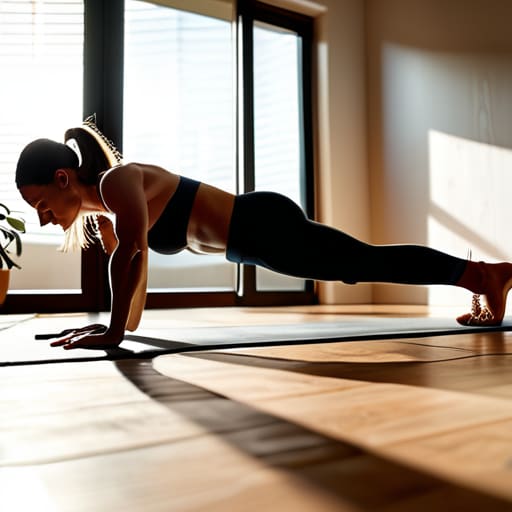
Look, you don’t need a rack of dumbbells or a complex training split to see results. When I first started trying to optimize my own routine, I realized that the most effective system is the one that actually gets done. That means focusing on the fundamentals of bodyweight exercises for beginners—the movements that use your own mass to build functional strength. Think squats for your lower body, push-ups for your chest and triceps, and planks for that core stability. These aren’t just “easy” moves; they are the building blocks of everything else.
The trick isn’t doing fifty reps of something you hate; it’s about mastering the mechanics of a few key movements. If a standard push-up feels like a recipe for bad form, drop to your knees or use a kitchen counter for an incline. It’s about reducing friction. If the movement is too hard, you’ll skip it, and if you skip it, the system breaks. By treating these movements as your baseline, you can build a full body home workout routine that scales with you. You aren’t training for a bodybuilding stage; you’re training to make your daily life feel easier and more efficient.
Low Impact Home Exercises That Actually Work
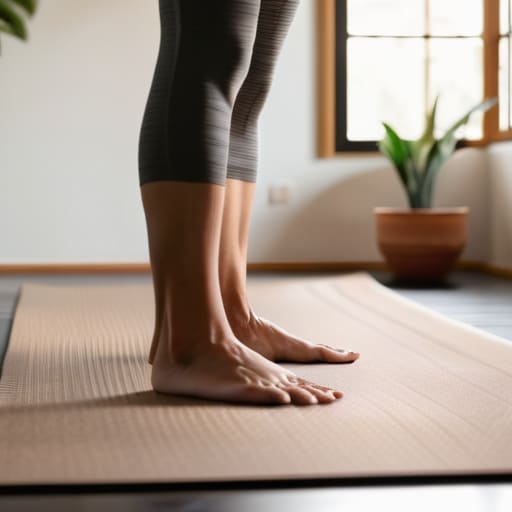
If you’re coming into this after a long period of sitting at a desk or if your joints tend to protest after a heavy session, you don’t need to go straight into high-intensity burpees. In fact, I’d argue that jumping into high-impact moves too fast is the fastest way to burn out or end up sidelined with an injury. Instead, focus on low impact home exercises that prioritize controlled movement over sheer explosive power. Think glute bridges, bird-dogs, or slow, deliberate squats. These movements build a foundation of stability without the jarring impact on your knees and ankles, making them much more sustainable for a long-term full body home workout routine.
The goal here isn’t to punish your body; it’s to wake it up. I’ve found that when I’m feeling particularly drained from a long day of analyzing data, these lower-intensity movements are actually easier to start. They lower the barrier to entry. If you’re looking for fitness tips for starting at home, my biggest piece of advice is to focus on the quality of your range of motion rather than how many reps you can cram into a minute. When you remove the “noise” of high-impact jumping, you can actually feel your muscles engaging, which is where the real progress happens.
The Low-Friction Strategy: 5 Ways to Make It Stick
- Stop looking for the “perfect” routine. I spent way too much time researching the ideal split before I realized that a mediocre plan you actually do is infinitely better than a pro-level program that sits in your bookmarks folder. Just pick three moves and start.
- Designate a “Zone of Action.” My living room gets messy, so I cleared one specific corner of the rug to be my workout space. When I step onto that spot, my brain knows it’s time to move. It reduces the mental friction of “getting ready.”
- Use the “Two-Minute Rule” for bad days. On days when my brain is fried and I want to skip everything, I tell myself I’ll just do two minutes of movement. Usually, once the blood is flowing, I finish the set. If not? At least I kept the habit alive.
- Audit your environment. If your workout clothes are buried at the bottom of a laundry basket, you’ve already lost. I keep my gear laid out the night before. It’s a tiny bit of systems engineering that removes one more decision from my morning.
- Focus on progressive overload, not intensity. You don’t need to go until you’re gasping for air. Just try to do one more rep or hold a plank for five seconds longer than last week. Small, incremental wins are how you build a system that doesn’t crash.
The System Over the Sweat
Look, we’ve covered a lot of ground—from mastering those foundational bodyweight movements to finding low-impact options that won’t wreck your joints. The takeaway isn’t that you need a specialized home gym or a PhD in kinesiology to see results. It’s about realizing that you already have the most important tool: your own body weight. Whether you’re hitting a set of squats in your living room or opting for a low-impact flow to save your knees, the goal is to build a repeatable loop. Stop looking for the “perfect” routine and start focusing on the minimal viable movement that you can actually show up for, even on your worst days.
At the end of the day, I’m not interested in seeing you push yourself to the point of burnout just for the sake of a “hard” workout. That’s how systems fail. I want you to build a habit that feels like a natural part of your day, not a grueling chore you have to fight against. If you can show up for just ten minutes today, you’ve already won the battle against inertia. Don’t aim for a transformation by next week; just aim to build a system that works for your actual life. You’ve got this.
Frequently Asked Questions
How much space do I actually need to make this work without feeling claustrophobic?
Honestly? You don’t need a home gym; you just need enough floor space to lie down and extend your arms without hitting a wall. If you can roll out a standard yoga mat and move a coffee table six inches to the left, you’re golden. I’ve squeezed effective sessions into tiny studio apartments by focusing on vertical movements. Don’t let a cramped room be an excuse—just clear a small “zone” and go.
I'm worried about hurting myself; how do I know if my form is actually right without a trainer watching?
Look, I get it. The fear of a tweaked back or a blown knee is real. Since you don’t have a trainer hovering over you, use your phone as your second pair of eyes. Set it up on a tripod (or lean it against a water bottle) and film yourself from the side. Compare your video to a pro’s tutorial. If your spine looks like a question mark or your knees are cave-ing, adjust. Small tweaks, big wins.
What do I do on the days when my motivation is zero and I just can't bring myself to start?
Look, I get it. Some days the mental friction is just too high. When my motivation hits zero, I stop aiming for a “workout” and switch to the “Two-Minute Rule.” Tell yourself you’ll just do two minutes of movement—maybe some light stretching or five air squats. That’s it. Usually, the hardest part is just breaking the static friction of starting. If you still want to quit after two minutes? Fine. At least you kept the habit alive.
Do I really need to buy any equipment, or can I just use stuff I already have around the apartment?
Honestly? You don’t need a single piece of gym gear. I’ve spent way too much time looking at “essential” workout kits online, but most of it is just noise. Use a heavy backpack for weighted squats, grab some water jugs if you need resistance, or use a sturdy chair for dips. My goal is low friction. If you have to wait for a delivery to start, you’ve already lost the momentum. Just use what’s in your apartment.