I spent most of my early twenties living on lukewarm takeout and sheer willpower, thinking that “being busy” was a valid excuse for a chaotic diet. But after watching my parents hit a wall of total burnout, I realized that my nutrition wasn’t just a health issue—it was a systems failure. When you’re staring at a fridge full of random ingredients at 7:00 PM, you don’t need a culinary degree; you need easy meal prep ideas that don’t require a PhD in time management. Most people fail at prepping because they try to turn their Sunday into a high-stakes cooking competition, and honestly, that’s just a recipe for immediate burnout.
I’m not here to tell you to spend six hours portioning out kale salads into identical plastic containers. That’s not sustainable, and it’s definitely not how I operate. Instead, I’ve distilled my approach into eight specific, low-friction strategies designed to reclaim your mental bandwidth. We’re going to focus on modular components and smart shortcuts that actually fit into a real, messy schedule. By the end of this, you’ll have a toolkit of systems that make eating well feel like a background process rather than a full-time job.
Table of Contents
The Component Method
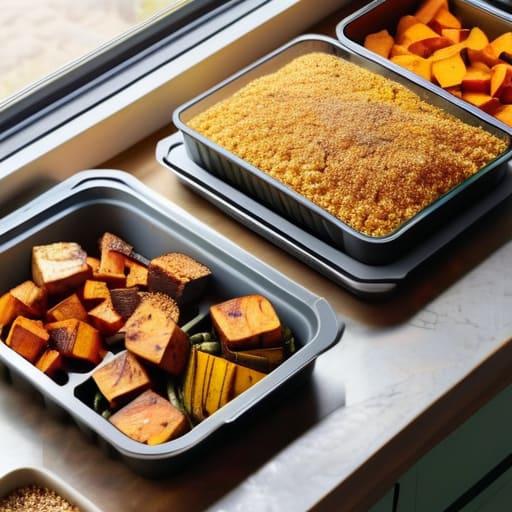
Stop trying to cook entire, complex recipes on a Sunday night. That’s how you end up with a fridge full of mushy leftovers that you eventually throw away in disgust. Instead, I treat my kitchen like a modular assembly line. I cook large batches of individual components: a big tray of roasted sweet potatoes, a pot of quinoa, and some grilled chicken or tofu.
Master the Sheet Pan Strategy
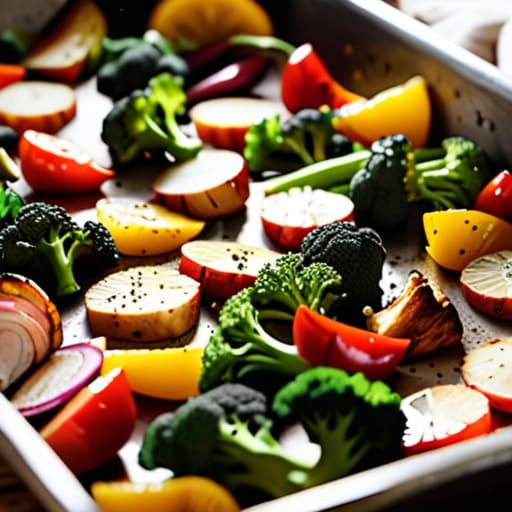
If you’re like me and you hate cleaning up a mountain of pots and pans after a long shift, the sheet pan method is your best friend. It’s the ultimate low-friction system. You just chop up some protein and vegetables, toss them in olive oil and spices, and slide the whole thing into the oven.
Double Your Dinner
This is the simplest optimization trick in the book, and yet so many people overlook it. Whenever you are already standing at the stove making a decision—say, a batch of chili or a pasta bake—just make twice as much as you need. It takes almost no extra time to open a second can of beans or boil an extra cup of water.
The Breakfast Shake Hack
Mornings are usually when my mental bandwidth is at its lowest, and the last thing I want to do is decide what to eat. I’ve found that a pre-portioned smoothie kit is a total game-changer. I take small reusable bags and throw in my frozen fruit, a handful of spinach, and maybe some chia seeds.
Batch-Cook Your Grains
Grains are the unsung heroes of a functional pantry. Rice, quinoa, or farro can be cooked in massive quantities and they hold up incredibly well in the fridge. I usually spend about twenty minutes on a Sunday getting a huge pot of something going, which provides the structural foundation for almost all my weekday lunches.
Sauce is Your Secret Weapon
The biggest reason people fail at meal prepping is “palate fatigue.” You eat the same bland chicken and rice three days in a row and your brain starts to crave takeout. To fight this, you need to invest in variety through sauces. I keep a rotation of three or four different dressings or sauces in the fridge—think pesto, tahini, or a spicy sriracha mayo.
The "No-Cook" Prep
Some weeks, I just don’t have the mental energy to stand over a stove. That’s when I lean into the “no-cook” system. This involves buying high-quality, pre-made items that require zero thermal processing. I’m talking about rotisserie chickens, pre-washed salad greens, canned chickpeas, and smoked salmon.
Use Your Freezer as a Buffer
A freezer is essentially a time machine for your food. If you do find yourself with extra ingredients or a successful batch of something, don’t let it go to waste. Portion it out into individual, freezer-safe containers immediately.
Stop Overthinking the Process
At the end of the day, meal prepping isn’t about becoming a gourmet chef or spending your entire Sunday staring at a steaming pot of quinoa. It’s about the small, scalable wins we talked about—whether that’s batch-cooking a single versatile protein, mastering the art of the “assembly line” salad, or just keeping a stash of frozen staples for those inevitable high-stress nights. The goal isn’t to follow a rigid, complex blueprint; it’s to build a buffer between you and decision fatigue. When you have these basic systems in place, you stop asking “what’s for dinner?” at 7:00 PM when you’re already running on empty.
I know how it feels to want to optimize everything, but don’t let the pursuit of the “perfect system” become another source of burnout. If you only manage to prep one thing this week, consider that a win. We aren’t aiming for a Pinterest-perfect pantry; we are just trying to reclaim our mental bandwidth so we can focus on the things that actually move the needle in our lives. Start small, keep it simple, and let the systems work for you, not against you. You’ve got this.
Frequently Asked Questions
How do I keep my food from tasting like cardboard by Thursday?
The “cardboard” effect usually happens because of moisture loss or over-processing. First, stop reheating everything to a boil; use a splash of water or broth to steam things back to life. Second, separate your textures. Don’t put your crunchy toppings or fresh greens in the container with the wet stuff. Keep them in small separate pods. Finally, invest in decent glass containers. They seal better and don’t hold onto that weird “fridge” smell.
Is it worth the initial time investment if I only prep for three days at a time?
Honestly? Yes. 100%. I used to think meal prepping meant spending my entire Sunday in a kitchen-induced trance, but that’s how you burn out. Prepping for just three days is way more sustainable. It keeps the food tasting fresh, prevents that “leftover fatigue,” and—most importantly—it actually fits into a busy schedule. Don’t aim for a full week of perfection; just aim for a system that stops you from ordering takeout on a Tuesday.
What are the best containers to use so my fridge doesn't look like a disorganized mess?
Look, if you want that “aesthetic” fridge you see on TikTok, stop buying mismatched plastic tubs from the grocery store. They’re a nightmare for organization.
How do I avoid the "decision fatigue" of eating the same thing every single day?
The trick isn’t about variety; it’s about modularity. I stopped trying to cook “meals” and started prepping “components.” Think of it like building a mechanical keyboard—you don’t build the whole thing at once; you assemble parts. Prep a batch of grains, two proteins, and three different sauces. By swapping the components, you get a completely different flavor profile without the mental load of a new recipe every night. Build the system, not the menu.