I used to think that “saving money on food” meant living on a diet of lukewarm instant noodles and whatever was on the clearance rack at 9:00 PM. I’d see those influencers posting their aesthetic, $200-a-week organic meal prep spreads and think they had some secret hack, but honestly? Most of that advice is just noise. If you’re tired of feeling like you have to choose between eating something decent and actually having money left in your bank account at the end of the month, you aren’t alone. I spent way too much time overcomplicating my grocery runs before I realized that learning how to lower food costs isn’t about deprivation; it’s about fixing a broken system.
I’m not here to give you a list of “miracle foods” or tell you to spend your entire Sunday chopping kale. My goal is to help you build a repeatable system that works with your actual life, not some idealized version of it. I’m going to share the specific, low-friction frameworks I use to cut my grocery bill without losing my mind or my sanity. We’re stripping away the fluff and focusing on practical optimization so you can spend less time worrying about the receipt and more time actually enjoying your meals.
Table of Contents
Smart Grocery List Strategies That Actually Work
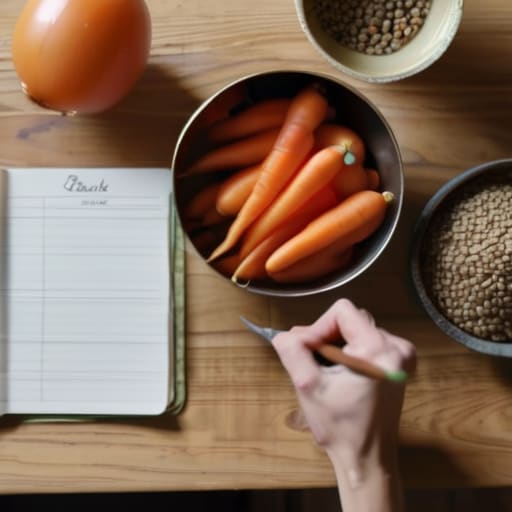
Look, the biggest mistake I see people make is walking into a store with nothing but a vague idea of what they want to eat. That’s how you end up with three bags of random snacks and zero actual ingredients for dinner. To stop the bleeding, you need a system. I’ve found that meal planning for savings only works if it’s tethered to a rigid list. Before you even touch your phone, check your pantry. See what you already have, then build your list around those existing items. It sounds basic, but it’s the fastest way to stop buying duplicates of things you already own.
Once you have that list, categorize it by store layout—produce, dairy, aisles, etc. This isn’t just for efficiency; it’s a mental guardrail. When you’re moving through the store in a structured way, you’re less likely to get distracted by impulse buys in the middle aisles. I also swear by keeping a running “low stock” list in my pocket notebook. As soon as I use the last of the rice or the oats, it goes in the book immediately. This makes grocery shopping on a budget feel less like a frantic weekly chore and more like a predictable, controlled process.
Meal Planning for Savings Without the Mental Load
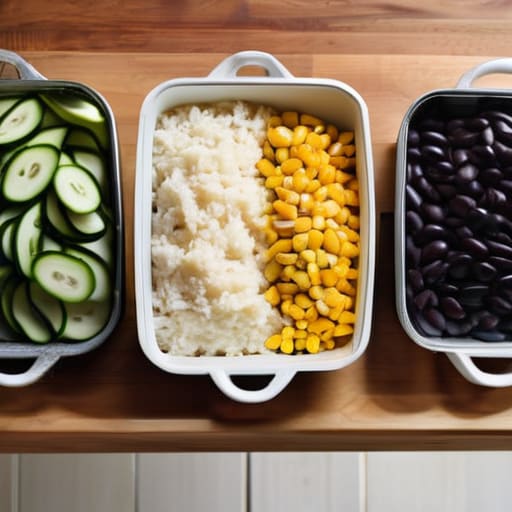
The biggest mistake I see people make is treating meal planning like a secondary job. If your “system” requires you to spend three hours every Sunday staring at a blank spreadsheet, you’re going to burn out by week three. Real meal planning for savings isn’t about gourmet recipes; it’s about reducing decision fatigue. I like to use a “modular” approach: pick two proteins, three veggies, and two grains that play well together. If you know you have rice, black beans, and frozen corn, you aren’t just cooking; you’re executing a pre-set system that prevents that 6:00 PM “what am I even eating?” panic that usually leads to expensive takeout.
Another thing that changed the game for me was focusing on reducing food waste through inventory management. Before I even touch a grocery app, I do a quick “brain dump” of what’s actually in my fridge and pantry. Most of us are sitting on a goldmine of affordable pantry staples—lentils, pasta, canned tomatoes—that we forget exist until they expire. By building your weekly menu around what you already own, you stop spending money on duplicates and start actually using the stuff you’ve already paid for. It’s not about being a chef; it’s just about better logistics.
Low-Effort Tactics to Stop the Food Budget Bleed
- Audit your pantry before you even touch your phone. I used to buy a second jar of cumin because I “felt” like I was out, only to find three unopened ones in the back. Do a quick scan of what you actually have so you aren’t paying for duplicates.
- Embrace the “Frozen over Fresh” rule for staples. If you aren’t using a bag of spinach within 48 hours, it’s going in the trash—and that’s literally throwing money away. Frozen veggies are nutritionally solid, won’t rot in your crisper drawer, and cost a fraction of the price.
- Stop buying “convenience” versions of basic ingredients. Pre-cut onions and bagged salads are just a tax on your laziness. If you can spare ten minutes on a Sunday to chop some veg, you’ll save enough over a month to actually feel the difference in your bank account.
- Master the art of the “Unit Price” check. Don’t look at the big number on the sticker; look at the tiny price per ounce or gram. Brands love to use smaller packaging to trick you into thinking you’re getting a deal when you’re actually paying a premium for the branding.
- Build a “Capsule Pantry.” Instead of trying to cook complex recipes with niche ingredients, pick 10-12 versatile staples—think rice, lentils, eggs, canned tomatoes—and build your meals around them. It simplifies your shopping, reduces waste, and keeps your mental load low.
Small Wins, Big Impact
Look, we aren’t trying to rebuild your entire life overnight. We’re just trying to stop the bleeding. By tightening up your grocery lists, leaning into a meal plan that doesn’t feel like a second job, and actually sticking to a system, you’re reclaiming more than just a few extra dollars in your bank account. You’re reclaiming the mental bandwidth you used to waste staring blankly at the fridge at 7:00 PM. It’s about moving away from reactive, expensive impulse buys and moving toward intentional, low-friction habits that serve you, rather than the other way around.
If you feel overwhelmed right now, just pick one thing. Maybe it’s just writing down your list before you leave the house, or maybe it’s committing to one “pantry night” a week. Don’t worry about being a master chef or a budgeting guru; just aim for a system that actually works for your specific schedule. At the end of the day, the goal isn’t to live a life of restriction—it’s to build enough stability so that you have the freedom to spend your money (and your energy) on the things that actually matter to you.
Frequently Asked Questions
How do I manage food costs when I'm eating out for work or grabbing quick meals on the go?
Look, I get it. Sometimes the office grind or a hectic commute makes a home-cooked meal feel impossible. When you’re eating on the fly, the goal isn’t to stop eating out—it’s to stop the “decision fatigue” that leads to expensive impulse buys. I use a “default menu” strategy: I pick three reliable, mid-range spots I know won’t break the bank and stick to a specific order. It cuts the mental load and the cost.
Is it actually worth the extra effort to meal prep every Sunday, or is there a middle ground?
Look, I’ve tried the “all-day Sunday marathon” where you cook five different Tupperwares, and honestly? It’s a recipe for burnout. If you aren’t a pro, that level of intensity is hard to sustain. I prefer a middle ground: “component prepping.” Instead of full meals, just prep the heavy hitters—a big batch of grains, roasted veggies, or a protein. It gives you flexibility during the week without turning your Sunday into a second job.
How can I stop wasting money on fresh produce that just ends up rotting in my fridge?
The “buy and forget” cycle is a massive drain on both your wallet and your mental bandwidth. To fix this, stop buying produce based on what looks good in the moment and start buying based on your actual shelf life. Group your perishables by “use-by” urgency. If it’s going to turn by Wednesday, it’s for Monday’s dinner. If it’s a backup, buy frozen. It’s not about being a chef; it’s about inventory management.
What are some low-effort ways to shop for groceries when I'm already feeling burnt out and decision-fatigued?
When you’re running on empty, the last thing you need is a high-stakes mission to the supermarket. My go-to is the “Formulaic Shop.” Don’t browse; just grab the same five staples you always do—think frozen veggies, eggs, rotisserie chicken, and rice. If you can swing it, use grocery pickup. It eliminates impulse buys and, more importantly, removes the sensory overload of the aisles. Minimize the decisions so you can save your brainpower for things that actually matter.