I used to think that learning how to make a grocery budget meant I had to become a spreadsheet wizard or start living exclusively on dry lentils and generic-brand oats. I’d see these “finfluencers” posting about complex meal-prepping systems that required six hours of Sunday labor and a kitchen full of specialized glass containers, and honestly? It felt like a full-time job I didn’t sign up for. Most of the advice out there is just unnecessary friction disguised as discipline, and frankly, it’s exhausting.
I’m not here to sell you on a lifestyle of deprivation or a complicated system that collapses the second you have a busy Tuesday. Instead, I want to show you how to build a functional framework that actually fits into a real, messy life. We’re going to strip away the fluff and focus on a few high-leverage tweaks that protect your bank account without making you miserable. My goal is to help you build a system that just works, so you can stop stressing about the receipt and get back to actually enjoying your food.
Table of Contents
Mastering Monthly Food Expense Tracking Without the Stress

Most people fail at budgeting because they try to track every single cent in real-time, which is a recipe for burnout. I used to do that—staring at my banking app every night, feeling guilty about a $6 latte—and it was exhausting. Instead, I shifted to a system of monthly food expense tracking that actually respects my mental bandwidth. I don’t aim for perfect precision; I aim for a general “guardrail.” I set a hard number at the start of the month and use a simple note in my phone to jot down the big wins and losses. It’s not about micromanaging your life; it’s about seeing the patterns so you can course-correct before the month ends.
The real secret to keeping these numbers low isn’t just cutting out snacks; it’s about reducing food waste. There is nothing more frustrating than seeing a bag of wilted spinach go into the trash—that is literally throwing cash into a bin. To combat this, I lean heavily on meal planning for savings. By knowing exactly what I’m eating before I even step foot in the store, I stop making those impulsive, “I’ll cook this later” purchases that inevitably rot in the crisper drawer. It turns the grocery run from a chaotic scavenger hunt into a controlled, predictable system.
The Low Friction Way to Start Meal Planning for Savings
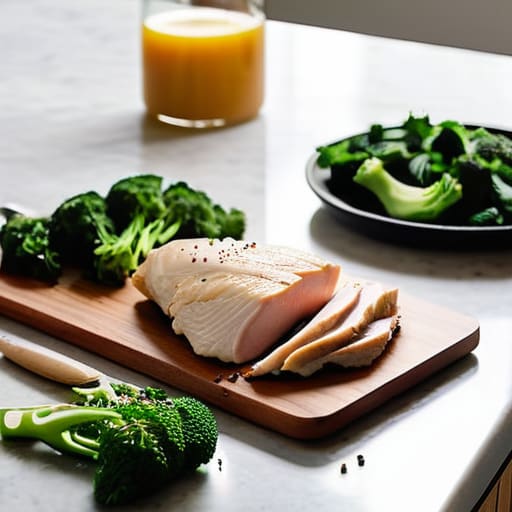
Look, most people fail at meal planning because they treat it like a second job. They spend three hours on a Sunday scrolling through Pinterest, trying to recreate a five-star meal they saw in a reel, only to end up ordering takeout by Tuesday because they’re exhausted. That’s not a system; that’s a recipe for burnout. If you want real results, you need to embrace low-friction meal planning. Instead of a rigid menu, try a “template” approach. Pick three go-to proteins, two grains, and whatever veggies are on sale. It’s not fancy, but it removes the decision fatigue that usually kills your progress.
The real secret to meal planning for savings isn’t about finding the cheapest ingredients; it’s about reducing food waste. Every time you toss a bag of slimy spinach or a half-used jar of sauce, you’re literally throwing cash into the bin. I’ve started using a simple “inventory first” rule: I check my pantry and fridge before I even think about a grocery list. By building meals around what I already own, I’m not just saving money—I’m actually making my life easier. Keep it loose, keep it simple, and let the system do the heavy lifting.
Five Low-Friction Hacks to Keep Your Spending in Check
- Stop the “mystery math” by checking your banking app before you even leave the house. Knowing exactly what you have left to spend for the week prevents that mid-aisle panic where you end up grabbing everything in sight just because you’ve lost track.
- Shop your own pantry before you hit the store. I treat my kitchen like an inventory system; if I see a half-box of pasta and a jar of marinara, that’s my dinner. Don’t buy what you already own just because it’s convenient.
- Stick to a “Base List” for your staples. You don’t need to reinvent the wheel every Sunday. Identify the 10-15 items you consume every single week—milk, eggs, spinach, etc.—and keep them on a permanent digital note. It cuts decision fatigue in half.
- Embrace the “Generic Swap” without the ego. Most store-brand staples are identical to the name brands once you look at the ingredients. If you’re saving three bucks on flour or beans, do it. Those small wins compound over a month.
- Use a single “Grocery Buffer” in your budget. Life happens—you’ll have a week where you need extra supplies or a sudden craving for something expensive. Instead of feeling like you failed your budget, just build in a small, intentional buffer so the system doesn’t break when things get messy.
Systems Over Perfection
Look, we’ve covered a lot of ground here. We talked about tracking your expenses without turning your life into a spreadsheet nightmare, and we looked at how to meal plan using low-friction methods that don’t require a culinary degree. The goal isn’t to become a master of fiscal austerity overnight; it’s about building a repeatable loop of awareness and action. Whether you’re using a simple notebook for your grocery list or a dedicated app to monitor your spending, the magic happens when you stop treating your budget like a punishment and start treating it like a functional system that supports your actual life.
At the end of the day, don’t let the fear of a “failed” week stop you from even trying. You’re going to overspend on takeout sometimes, and you’re going to buy ingredients that eventually wilt in the crisper drawer. That’s fine. That’s just data. The key is to adjust the system rather than abandoning it entirely. Life is messy, and your budget should be resilient enough to handle that mess. Strip away the guilt, focus on the small wins, and just keep building a framework that works for you, not against you.
Frequently Asked Questions
How do I account for those random, expensive "emergency" grocery trips when I run out of staples mid-week?
Look, I’ve been there. You’re halfway through a recipe and realize you’re out of olive oil, so suddenly you’re at the store spending $40 on one “emergency” item. Don’t try to account for these in your meal plan; instead, build a “Buffer Category” into your monthly budget. Think of it as a small, intentional slush fund for life’s friction. If you don’t use it, great—it rolls into your savings.
Is it better to track every single receipt manually, or should I just rely on my banking app's categorized spending?
Honestly? Relying solely on your banking app is a trap. Those auto-categorization algorithms are hit-or-miss—half the time, my “Grocery” category includes a random Target run that was actually just household supplies.
How much of a "buffer" should I actually build into my weekly budget for price fluctuations or inflation?
Look, don’t get paralyzed trying to calculate the exact decimal point of inflation. That’s a rabbit hole that’ll just burn your mental bandwidth. I usually aim for a 10% buffer. If your target is $150 a week, plan for $165. That extra $15 acts as a shock absorber for when eggs suddenly spike or you realize that “on sale” organic spinach is still a premium item. It keeps the system from breaking when reality hits.
What do I do if I consistently overspend in one category, like snacks or takeout, even when I'm trying to stick to the plan?
Look, don’t beat yourself up. That’s not a failure of willpower; it’s a failure of the system. If you’re constantly blowing your snack or takeout budget, it means your current plan is too rigid or unrealistic. Instead of fighting it, lean into it. Give that specific category its own “buffer zone” or a dedicated sub-account. Treat it as a fixed cost rather than an accident. Optimize the system to accommodate your reality, not an ideal version of yourself.