I used to spend way too much time scrolling through Amazon, convinced that the secret to professional presence was a $200 ring light and a high-end DSLR setup. It felt like a massive, unnecessary tax on my time and my bank account just to avoid looking like a grainy shadow in a dark room. But after a few months of tweaking my setup, I realized that most of the “pro gear” advice out there is just noise. You don’t need a studio; you just need to understand the basic physics of your workspace so you can finally figure out how to look better on video calls without turning your bedroom into a production set.
I’m not here to sell you on expensive gadgets or complicated lighting rigs that take twenty minutes to calibrate. Instead, I’m going to share the low-friction systems I’ve built to ensure I look sharp and presentable in under sixty seconds. We’re going to focus on the high-impact, zero-cost adjustments—like light positioning and camera angles—that actually move the needle. My goal is to help you strip away the technical headache so you can stop worrying about your webcam and start focusing on the conversation.
Table of Contents
Simple Professional Webcam Lighting Setups That Actually Work
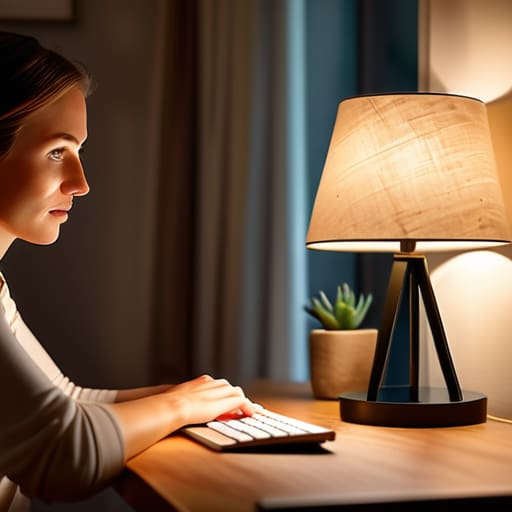
Look, you don’t need a $500 ring light to stop looking like a grainy ghost in a dark cave. Most people make the mistake of sitting with a window behind them, which turns you into a silhouette. Instead, try the “Frontal Light” approach: just grab a desk lamp, strip off the shade if it’s too harsh, and place it slightly behind your monitor. This mimics natural light and is one of the easiest ways to achieve professional webcam lighting setups without breaking your budget. If the light feels too aggressive, drape a thin white t-shirt over it to diffuse the glare.
If you’re feeling a bit more “systems-oriented,” go for the Three-Point setup. You’ll want a primary light source (your key light) at a 45-degree angle to your face, a softer light on the other side to fill in the shadows, and maybe a small lamp in the background to create depth. This prevents you from looking like a flat, 2D image and helps with improving webcam image resolution by giving your sensor more actual data to work with. It’s about creating layers so you don’t just blend into the wall behind you.
Finding the Best Camera Angles for Remote Meetings
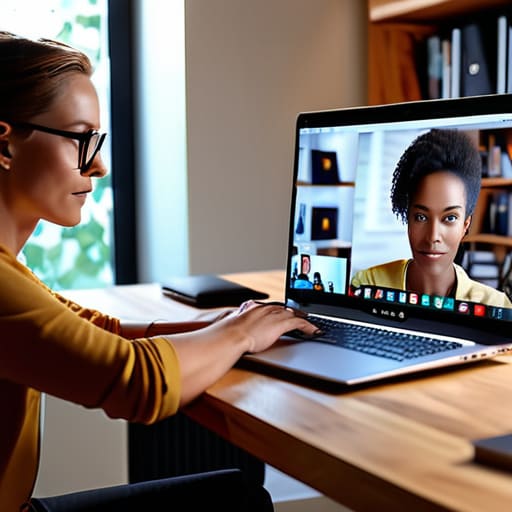
Look, nothing kills a professional vibe faster than looking like you’re filming a documentary from the bottom of a well. We’ve all been there—staring down at a laptop on a desk, which basically gives everyone on the call a view of your nostrils and your ceiling fan. If you want to master the best camera angles for remote meetings, the golden rule is simple: get that lens at eye level. If you’re on a laptop, grab a stack of books or a dedicated laptop stand. You want the camera to meet your gaze, not look up your nose. It makes the interaction feel way more natural and less like you’re looming over your coworkers.
Once you’ve nailed the height, think about your depth. Don’t pin yourself against a flat white wall like you’re in a mugshot; it makes the whole frame look two-dimensional and cramped. Instead, try to create a little bit of space between you and the wall behind you. This subtle shift helps in minimizing background distractions and gives the image a sense of scale. If you can, tilt the camera slightly—just a hair—to ensure you aren’t cutting off the top of your head or leaving a massive amount of dead space above you. It’s a tiny tweak, but it makes a massive difference in how much authority you project.
The Small Tweaks That Make a Massive Difference
- Audit your background. You don’t need a professional studio, but a cluttered bookshelf or a pile of laundry in the frame is a massive cognitive load for whoever is watching you. Keep it clean, or better yet, use a subtle blur if your room is a mess.
- Check your audio quality. You can have 4K video, but if you sound like you’re underwater or in a wind tunnel, people will tune out. If you don’t have a dedicated mic, just use a decent pair of wired earbuds instead of your laptop’s built-in mic.
- Eye contact is a lie. To actually connect with people, you have to look at the camera lens, not the little faces on your screen. It feels weird at first—like you’re staring into the void—but it makes you look way more engaged.
- Manage your digital distractions. Nothing kills your presence like the visible glow of a notification or the sound of a Slack ping mid-sentence. Set your status to ‘Do Not Disturb’ so you can actually focus on the conversation instead of your inbox.
- Dress for the vibe, not the suit. You don’t need a blazer, but ditch the wrinkled gym shirt. A simple, solid-colored polo or a clean crewneck tee goes a long way in making you look like you actually prepared for the meeting.
Stop Overthinking the Setup
At the end of the day, looking decent on a call isn’t about owning a $500 mirrorless camera or building a professional studio in your bedroom. It’s just about basic physics and a little bit of intentionality. If you can nail a simple lighting setup—even if it’s just a desk lamp pointed at your face—and tilt your laptop so you aren’t staring at your own chin, you’ve already won. You don’t need a complex gear list to look professional; you just need to stop fighting your hardware and start using what you already have in a way that actually works.
My goal isn’t to turn you into a full-time content creator, but to help you remove the friction that makes remote work feel draining. When you look like you’re actually present and engaged, you feel more present, too. Don’t let the pursuit of the “perfect” aesthetic become another source of digital fatigue or another task on your never-ending to-do list. Just implement these small systems, get the basics right, and get back to the work that actually matters. The gear is secondary; your focus is what counts.
Frequently Asked Questions
Do I really need to buy a dedicated webcam, or can I just use my phone?
Honestly? Don’t drop $150 on a new webcam just yet. Most mid-range webcams actually look worse than the phone in your pocket. Your smartphone has a much better sensor and more processing power than a standard Logitech. Use an app like Camo or EpocCam to bridge the gap. It’s a zero-cost way to get high-def video immediately. Save that money for a decent desk lamp instead—lighting beats resolution every single time.
How do I stop my background from looking like a cluttered mess without buying a green screen?
Forget the green screen; they’re a headache to set up and usually look fake anyway. Instead, focus on “depth of field.” If you have a decent webcam, use the built-in “Portrait Mode” or “Background Blur” to soften the clutter. If you’re stuck with a grainy image, just pivot your desk. Aim your camera toward a plain wall or a simple bookshelf. A clean, intentional corner beats a messy living room every time.
What should I do if my internet connection is trash and makes my video look grainy?
If your bandwidth is tanking, stop trying to force a 4K stream; you’re just fighting a losing battle. First, kill the video entirely if it’s a low-stakes sync—audio is more important than seeing your face. If you need to stay on camera, turn off your background blur. It’s a massive resource hog. Also, try plugging in via Ethernet if you can. It’s not “aesthetic,” but a stable connection beats a pretty, grainy mess every time.
Is it worth investing in a decent microphone if I'm already trying to fix my video quality?
Look, if you’re optimizing your setup, don’t ignore the audio. Here’s the reality: people will tolerate a slightly grainy video, but they’ll tune out immediately if you sound like you’re underwater or stuck in a wind tunnel. Bad audio is exhausting to listen to. If you’ve already nailed your lighting and angles, a decent mic is the highest-leverage upgrade you can make. It’s about reducing the mental friction for everyone on the call.