I was sitting at my desk last Tuesday, staring at a spreadsheet that felt like it was written in ancient hieroglyphics, when I realized I’d hit a wall. I wasn’t just tired; I was functionally useless. My immediate instinct was to reach for a third espresso or some overpriced, neon-colored “wellness shot” I saw on Instagram, but that’s exactly the kind of cycle I’m trying to break. We’ve been sold this lie that if we just find the right expensive supplement or the most complex biohack, we’ll suddenly become superhuman. Honestly, most of the advice out there regarding natural ways to boost energy is just more digital noise designed to drain your wallet rather than your fatigue.
I’m not here to sell you a lifestyle overhaul or a $100 jar of adaptogens. Instead, I want to share the actual, low-friction systems I’ve built to keep my brain from redlining by 2:00 PM. We’re going to skip the fluff and focus on a few high-leverage habits that actually move the needle. My goal is to help you strip away the complexity and find the simple, sustainable shifts that let you reclaim your focus without feeling like you’re fighting your own biology.
Table of Contents
Smart Dietary Habits for Vitality Without the Complexity

Look, I’m not going to tell you to start meal prepping organic kale salads for three hours every Sunday. That’s a recipe for burnout, not vitality. Instead, I focus on small, systemic tweaks to how I fuel my day. One of the biggest mistakes I see is the reliance on a massive, sugar-heavy lunch that inevitably leads to that soul-crushing 3:00 PM crash. If you want to combat the afternoon slump without reaching for a third espresso, try prioritizing protein and complex carbs. It keeps your blood sugar from spiking and cratering, which is basically the secret to steady, reliable focus.
I’ve also realized that my brain’s performance is directly tied to how I manage my fluids. It sounds basic, but even mild dehydration can make you feel like you’re walking through sludge. I keep a dedicated water bottle at my desk—not because I love drinking water, but because hydration and mental alertness are mathematically linked. If you feel that mental fog creeping in, don’t grab a snack; grab a glass of water first. It’s a low-effort, high-reward system that keeps the gears turning without the extra complexity.
Finding Natural Caffeine Alternatives That Actually Work
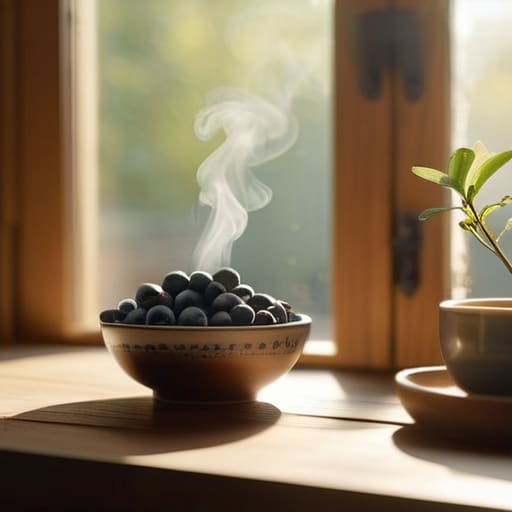
Look, I get it. I used to be the guy living on a cycle of triple espressos and sheer willpower, only to crash hard by 3:00 PM. The problem with relying solely on coffee is that it’s a high-interest loan on your future energy; you feel great for an hour, but you’re paying for it later with jitters and a massive crash. If you’re trying to combat the afternoon slump without the subsequent heart palpitations, you need to look at natural caffeine alternatives that offer a smoother curve.
I’ve started experimenting with matcha and yerba mate. Unlike the jagged spike you get from a standard drip coffee, matcha contains L-theanine, which promotes a state of “calm alertness.” It’s basically a way to get the focus without the frantic edge. Another underrated move is switching to herbal infusions like peppermint or ginger tea. They don’t provide a chemical stimulant, but the sensory shift and the warmth can actually reset your focus. It’s less about forcing your nervous system to rev up and more about finding a steady baseline that doesn’t leave you feeling wrecked by dinner time.
Low-Friction Systems to Keep Your Battery From Hitting Zero
- Stop treating sleep like an optional luxury. I stopped trying to hit a perfect 8 hours and started focusing on a consistent “wind-down” system—no screens 30 minutes before bed, lights dimmed, just a physical book. It’s about the quality of the shutdown, not just the duration.
- Movement doesn’t have to mean a grueling hour at the gym. When I feel that mid-afternoon brain fog setting in, I don’t reach for a snack; I do five minutes of mobility work or just a quick walk around the block. It’s about resetting your nervous system, not breaking a sweat.
- Optimize your light exposure. This sounds like some high-level biohacking nonsense, but it’s actually dead simple: get outside and see actual sunlight within an hour of waking up. It sets your circadian rhythm so your body knows exactly when to be alert and when to crash.
- Audit your “digital noise.” Constant notifications are tiny energy leaks that drain your mental bandwidth throughout the day. I started batching my non-essential notifications so I’m not being jolted awake by every random app ping. Protect your focus like it’s your most valuable asset—because it is.
- Master the art of the strategic break. We’ve been conditioned to believe that grinding through fatigue is a badge of honor, but it’s actually just inefficient. Use the Pomodoro technique or something similar to build in scheduled “nothing” time. Working in sprints with intentional rest is way more sustainable than a slow, steady burn toward burnout.
Systems Over Spikes
Look, we’ve covered a lot of ground here, from tweaking your fuel to finding better ways to manage that midday slump without relying on a fifth espresso. The common thread is that energy isn’t something you can just “hack” with a magic pill or a single superfood; it’s the byproduct of the small, repetitive systems you build throughout your day. Whether it’s choosing stable blood sugar over a sugar crash or swapping out jittery stimulants for something more sustainable, the goal is to stop the constant cycle of burnout and recovery. It’s about building a foundation that supports your output rather than just masking your exhaustion.
If you try to overhaul everything at once, you’re going to fail—I’ve been there, and it’s a recipe for more stress, not more energy. My advice? Pick just one thing from this list. Maybe it’s a better breakfast, or maybe it’s finally setting a consistent wind-down routine. Start there. We aren’t looking for a perfect, high-performance machine; we are just trying to build a sustainable way to live. Focus on the small wins, keep your systems simple, and let the momentum do the heavy lifting. You’ve got this.
Frequently Asked Questions
How do I tell the difference between actual burnout and just being physically tired?
Here’s the quick way I distinguish them: Physical tiredness is a battery issue—you sleep, and you feel recharged. Burnout is a system failure. You can sleep for ten hours, but you still wake up feeling heavy, cynical, or totally detached from things you usually love. If rest doesn’t fix the fatigue, it’s not your body asking for sleep; it’s your brain asking for a different way of operating.
Is it possible to fix my energy levels if my sleep schedule is already a total mess?
Look, I’ve been there. When your sleep schedule is a wreck, trying to “fix” it feels like trying to debug a massive, broken codebase. It’s overwhelming. But yes, it’s possible. Don’t aim for a perfect 10 PM bedtime immediately—that’s a recipe for burnout. Instead, focus on “anchor habits.” Fix your wake-up time first, get some sunlight in your eyes, and stop fighting the chaos. We’re just looking for small, stable systems to rebuild from.
Won't switching from coffee to natural alternatives just lead to a different kind of crash?
That’s a fair concern—and honestly, if you just swap coffee for a sugary “natural” energy drink, you’re just trading one crash for another. The goal isn’t to find a new way to spike your system; it’s about smoothing out the peaks and valleys. I look at it like managing a power grid. We’re moving away from those violent surges and aiming for a steady, sustainable flow of energy that doesn’t leave you wrecked by 3 PM.
How much of this is actually about my diet versus just being chronically stressed?
Honestly? It’s usually both, and they’re feeding into each other in a nasty loop. If you’re stressed, your cortisol is spiking, which makes you crave quick sugar hits, which then leads to the inevitable energy crash. It’s a feedback loop. You can’t out-eat chronic stress, and you can’t out-meditate a terrible diet. My advice: fix the nutrition to stabilize your baseline, but if your nervous system is fried, no amount of kale will save you.