I used to think that “relaxing” meant buying a $50 weighted blanket or downloading some high-end meditation app that sent me notifications every twenty minutes. It was just another task on my to-do list, another way to perform wellness instead of actually feeling it. I spent years treating my downtime like a project to be optimized, which is the fastest way to burn out. If you’re searching for how to relax after work by adding more digital clutter to your life, you’re doing it wrong. We don’t need more expensive gadgets or complex rituals; we need to stop treating our brains like machines that just need a software update.
I’m not here to sell you on a lifestyle overhaul or some aesthetic, Pinterest-perfect evening routine. Instead, I’m going to share the low-friction systems I’ve built to actually disconnect and reclaim my mental bandwidth. We’re going to focus on small, actionable shifts that strip away the noise and help you transition from “employee mode” to “human mode” without the extra effort. My goal isn’t to help you achieve a state of permanent Zen, but to help you build systems that actually work for your real, messy life.
Table of Contents
Mastering the Transitioning From Work to Home Ritual

The biggest mistake I see people making is treating the end of the workday like a light switch—expecting to flip from “high-performance mode” to “total relaxation” in a single second. It doesn’t work that way. Your brain is like a high-RPM engine; if you just cut the power, you’re going to overheat. To fix this, you need a deliberate ritual for transitioning from work to home. For me, that means a “brain dump” in my physical notebook. I write down every lingering task or half-baked idea so my mind knows they are safely stored and doesn’t need to loop them through my consciousness all night.
Once the mental clutter is out of my head, I focus on a physical trigger to signal the shift. This could be as simple as changing out of my work clothes immediately or a specific ten-minute walk without a podcast playing. The goal isn’t to be “zen”; it’s about reducing cortisol levels naturally by creating a buffer zone. If you skip this phase, you’ll find yourself doomscrolling or staring blankly at a screen, still mentally stuck in a spreadsheet. Build a small, repeatable bridge between your professional and personal life so you don’t carry the office stress into your living room.
Simple Stress Relief Activities That Actually Stick
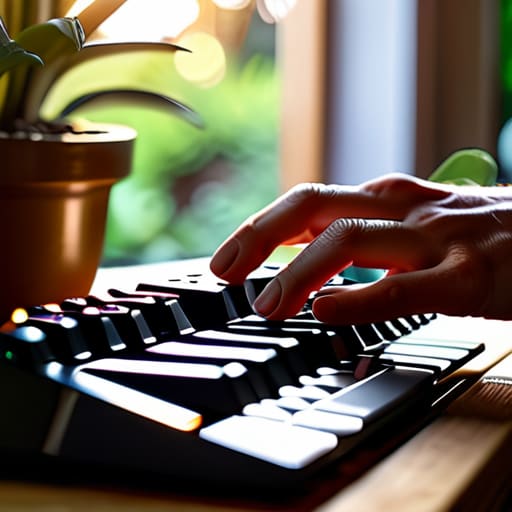
The problem with most “stress relief activities” is that they feel like another chore on your to-do list. If I tell you to meditate for thirty minutes, your brain is probably going to reject that immediately because you’re already cognitively exhausted. Instead of aiming for a grand lifestyle overhaul, I focus on micro-habits that require zero decision fatigue. For me, this means choosing one low-stakes activity that doesn’t involve a screen. Whether it’s spending ten minutes tinkering with a mechanical keyboard switch or just sitting on my balcony without my phone, the goal is to signal to my nervous system that the “threat” of the workday is over.
If you want to actually see results in your mental health after office hours, you have to stop treating relaxation like a performance. You don’t need a perfect evening mindfulness routine; you just need a way to lower your baseline tension. I’ve found that physical movement—even something as small as a quick walk around the block—is much more effective at reducing cortisol levels naturally than scrolling through TikTok. Scrolling feels like resting, but it’s actually just more digital input. Pick one thing that is tactile, analog, and completely disconnected from your inbox. That’s how you build a system that actually sticks.
Low-Friction Systems for a Real Reset
- Stop the “doomscrolling” loop. If your default way to unwind is staring at a screen, you aren’t relaxing; you’re just digitizing your fatigue. Set a “no-phone zone” for the first 30 minutes after you clock out.
- Use a “Brain Dump” to close open loops. Before you leave your desk, grab that physical notebook I’m always carrying and write down every lingering task or anxiety. Get it out of your head and onto the paper so your brain stops trying to process it all night.
- Optimize your environment for the mood you want. If you want to decompress, dim the overhead lights and switch to a lamp. It sounds small, but changing the sensory input tells your nervous system the workday is officially over.
- Low-stakes movement over intense workouts. You don’t always need a grueling HIIT session to shake off stress. Sometimes a 15-minute walk without a podcast—just actual silence—does more for your mental bandwidth than a heavy lifting session.
- Batch your “life admin.” Don’t let chores bleed into your entire evening. Pick one specific time to handle the dishes or the mail, then declare the rest of the night a “maintenance-free zone.” Work on your systems, not your stress.
The Bottom Line
Look, I’m not asking you to overhaul your entire existence or start a three-hour meditation retreat every single day. We’ve already covered how a solid transition ritual—whether that’s a specific playlist or just closing your laptop lid with intention—can signal to your brain that the shift has happened. We talked about finding those low-friction stress relief activities that actually fit into your schedule rather than adding more “to-dos” to your plate. The goal here isn’t to find the perfect relaxation method; it’s about building small, repeatable systems that prevent work stress from bleeding into your dinner or your sleep.
At the end of the day, your time and mental bandwidth are your most valuable assets, and they’re constantly under siege. Don’t let the digital noise win by default just because you didn’t have a “plan” for your evening. You don’t need to be a productivity machine 24/7 to be successful; in fact, you’re probably more effective when you actually know how to turn it off. Start small, keep it simple, and remember that protecting your peace is just as important as hitting your KPIs. You’ve got this.
Frequently Asked Questions
What do I do if my job is so high-stress that I can't stop thinking about it even after I've physically left?
Look, I get it. When your brain is stuck in a high-stress loop, “just relaxing” feels like an insult. If you can’t turn it off, stop fighting the thoughts and start externalizing them. Grab that physical notebook I’m always talking about and do a massive brain dump. Write down every lingering task or anxiety. Once it’s on paper, your brain stops treating those thoughts like urgent, active alerts. You aren’t ignoring the work; you’re just archiving it.
How do I balance actually relaxing with the guilt of feeling like I should be doing something "productive"?
That guilt is just a bug in your mental operating system. You’ve been conditioned to think if you aren’t producing, you’re failing. But here’s the reality: rest is a high-performance requirement. If you don’t schedule downtime, your body will eventually schedule a burnout for you. Stop viewing relaxation as “lost time” and start seeing it as “maintenance.” You wouldn’t run a machine 24/7 without servicing it; don’t do it to yourself.
I don't have much time in the evenings; are there any 5-minute micro-habits that actually work?
Look, I get it. Sometimes the “ritual” feels like just another chore on an already overflowing to-do list. If you only have five minutes, don’t aim for a spa day; aim for a hard reset. Try a “brain dump” in your notebook to clear the mental cache, or just do some box breathing while your kettle boils. These aren’t life-changing, but they break the loop of work-brain and signal to your nervous system that the shift is over.
How can I stop the endless doomscrolling that usually happens the second I sit down on the couch?
The couch is a trap. The second your body hits that cushion, your brain defaults to the path of least resistance: the infinite scroll. To break it, you need a physical barrier. Don’t just “try harder”—that’s a losing battle. Try a “Charging Station” rule: plug your phone in across the room before you even sit down. If you need music or a podcast, use a smart speaker. Make the friction real.