I used to think that “eating healthy” meant spending my entire Sunday meal-prepping elaborate, colorful Buddha bowls that looked great on Instagram but tasted like sadness by Tuesday. The wellness industry loves to sell us this idea that learning how to eat more vegetables requires a massive lifestyle overhaul, expensive organic hauls, and a level of culinary skill I simply don’t have after a ten-hour shift. It’s exhausting, it’s performative, and frankly, it’s a total system failure.
I’m not here to give you a list of superfoods or tell you to start a garden in your studio apartment. Instead, I want to show you how to integrate nutrition into your life using the same logic I use to optimize my workflow: low friction, high yield. We’re going to talk about small, repeatable systems—like the “add, don’t subtract” method—that actually work when you’re tired and busy. No fluff, no perfectionism, just practical ways to get more greens into your routine without making it your full-time job.
Table of Contents
Hidden Ways to Add Veggies to Meals Without the Effort
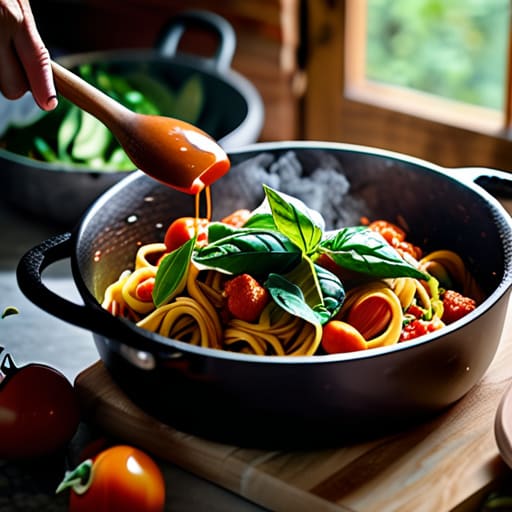
The trick isn’t about sitting down to a massive, intimidating salad every single day. That’s a recipe for burnout. Instead, I look at it like a systems engineering problem: how do I integrate these nutrients into my existing workflows? One of my favorite hidden ways to add veggies to meals is the “stealth method.” When I’m making a pasta sauce or a smoothie, I toss in a handful of frozen spinach or some finely grated zucchini. You won’t even taste them once they’re blended, but you’re effectively increasing fiber intake through vegetables without having to change your entire menu.
Another low-effort hack is to stop viewing vegetables as a side dish and start seeing them as a base. If you’re making tacos, swap half the meat for finely chopped mushrooms or lentils. It keeps the texture similar but adds a layer of complexity that actually makes the meal more filling. If you’re looking for some quick vegetable meal prep ideas, try roasting a massive tray of seasonal veggies on Sunday. You can toss them into whatever you’re eating throughout the week—bowls, wraps, or even just on top of eggs. It’s about reducing the friction between you and a healthy plate.
Smart Vegetable Meal Prep Ideas for Real Life
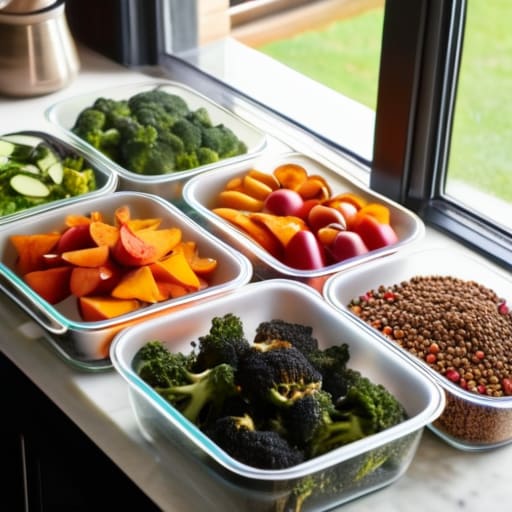
Look, I’m not a fan of the “Sunday Scaries” style of meal prepping where you spend four hours in the kitchen just to eat the same sad, wilted salad for five days straight. That’s not a system; that’s a chore. Instead, I treat my fridge like a modular assembly line. I focus on component prepping—roasting a massive tray of broccoli, peppers, and sweet potatoes all at once, then storing them in separate containers. This gives me a library of ingredients I can throw into a grain bowl, a wrap, or an omelet in under three minutes. It’s about building a toolkit, not a rigid menu.
Another move that saves my sanity is prepping “grab-and-go” components that actually satisfy. If I’ve had a long day at the office, the last thing I want to do is chop anything. I keep a stash of pre-washed baby carrots, cucumber slices, and snap peas ready for when the mid-afternoon hunger hits. These serve as easy vegetable snacks for weight loss and mental clarity, preventing that 4 PM crash where I usually reach for processed junk. By removing the friction of preparation, I’m not relying on willpower; I’m just following the path of least resistance.
Low-Friction Hacks for Consistent Veggie Intake
- Stop treating vegetables like a side dish. If you wait until the end of the meal to “fit them in,” you’ll likely be too full or too tired to care. Start integrating them into the base of your meal—think spinach in your morning eggs or peppers in your pasta sauce—so you’re eating them by default, not by choice.
- Keep a “ready-to-eat” stash in your fridge at all times. I’ve learned the hard way that if I have to chop a head of broccoli after a long shift, it’s not happening. Buy the pre-washed baby spinach, the pre-cut carrots, or the frozen veggie medleys. The “convenience tax” is worth the mental bandwidth you save.
- Use the “One-to-One” rule for your favorite comfort foods. Love tacos? Add salsa and extra peppers. Obsessed with ramen? Throw in a handful of bok choy. You don’t need to overhaul your entire menu; you just need to upgrade the existing systems you already enjoy.
- Master the art of the “Sheet Pan Dump.” On Sundays, toss whatever hardy veggies you have (sweet potatoes, Brussels sprouts, cauliflower) onto a tray with some olive oil and salt. Roast them all at once. Now you have a batch of high-quality, flavorful components ready to be thrown into any bowl or wrap during the week.
- Don’t aim for a salad every day. That’s a recipe for burnout. Some days, a veggie is just a handful of frozen peas heated in the microwave or some cucumber slices with salt while you’re cooking. Keep the bar low so you can actually clear it consistently.
Systems Over Perfection
Look, we’ve covered a lot of ground here, from the low-effort “stealth health” tactics to actual meal prep strategies that won’t leave you feeling like a sous-chef on a Sunday night. The takeaway isn’t that you need to overhaul your entire pantry or start eating nothing but steamed kale. It’s about finding those small, low-friction entry points—like tossing spinach into a smoothie or keeping pre-cut peppers in the fridge—that actually fit into your current workflow. If you try to go from zero to a gourmet salad every single meal, you’re going to burn out by Wednesday. The goal is to build systems that work with your lifestyle, not against it.
At the end of the day, I don’t care if your vegetable intake is “perfect” by some arbitrary nutritional standard. I just want you to stop making it harder on yourself than it needs to be. If you can find even one or two small ways to integrate more greens into your routine this week, you’re already winning. Stop waiting for the “perfect” time to start a healthy lifestyle and just start where you are. We aren’t aiming for some unrealistic ideal; we’re just trying to build a slightly better version of our daily routine, one small, manageable step at a time.
Frequently Asked Questions
How do I stop feeling like every meal has to be a massive salad just to count?
Look, the “all-or-nothing” mindset is a productivity killer. If you think every meal needs to be a giant bowl of kale to “count,” you’re going to burn out by Tuesday. Stop treating veggies like a separate course and start treating them like an ingredient. Throw a handful of spinach into your pasta sauce or toss some frozen peas into your ramen. It’s not a gourmet salad; it’s just a small, low-friction win for your system.
What are some ways to make vegetables actually taste good if I've always hated them?
Look, if you hated veggies growing up, it’s probably because they were boiled into mushy, flavorless sadness. Stop eating them like that. The secret isn’t “willpower”—it’s seasoning and texture. Roast them at high heat with olive oil, salt, and garlic until they actually get crispy. Or, lean into acidity; a squeeze of lemon or a splash of balsamic can completely change the game. If it tastes like nothing, you haven’t seasoned it enough.
Is there a way to do this without spending my entire Sunday meal prepping?
Honestly? Yes. I used to spend my entire Sunday in a kitchen trance, and it burned me out by Monday. Instead, try “component prepping.” Don’t cook full meals; just prep a few versatile building blocks—like a big batch of roasted sweet potatoes or a container of washed greens. It takes twenty minutes, not three hours. You’re building a toolkit, not a buffet. It’s about making the healthy choice the easiest one during the week.
How much effort is actually worth it—am I overthinking the whole nutrition thing?
Look, I’m a systems guy, and the biggest system failure I see is people treating nutrition like a high-stakes engineering project. You’re overthinking it. If you try to optimize every single micro-nutrient, you’ll burn out by Tuesday. Don’t aim for a perfect biological machine; aim for a baseline that doesn’t make you crash. If you’re getting some greens in and not eating junk for every meal, you’re winning. Stop optimizing, start implementing.