I used to think that fixing my digestion meant buying every $60 probiotic powder and “superfood” supplement that trended on my feed. It was a total waste of money and mental bandwidth. I was treating my body like a broken piece of software that just needed more expensive patches, but the truth is that most of the wellness industry is just selling noise. I spent months chasing expensive trends when I should have been looking at the actual systems under the hood. If you’re tired of the hype, you’re not alone—learning the actual gut health basics shouldn’t require a PhD or a massive budget.
I’m not here to give you a list of impossible dietary restrictions or a 12-step morning ritual that takes an hour to complete. My goal is to strip away the complexity and focus on a few high-leverage adjustments that actually move the needle. We’re going to look at how to build a sustainable system for your gut that fits into a busy life, without the constant feeling of burnout. We aren’t aiming for a perfect, sterile diet; we’re just aiming for systems that work.
Table of Contents
Recognizing the Signs of Poor Gut Health

The thing about our bodies is that they rarely scream; they mostly just whisper. You won’t wake up one day with a flashing red light telling you your system is failing. Instead, it’s usually a slow, annoying grind. Maybe you’re feeling uncharacteristically sluggish by 2 PM, or your skin is breaking out despite a solid skincare routine. Even more subtle is that constant, low-level brain fog that makes you feel like you’re operating through a thick layer of cotton wool. This is often a direct result of the gut-brain axis connection—the literal communication highway between your digestive tract and your head. When things are out of whack down below, your mental clarity is usually the first thing to pay the price.
Beyond the mental fog, there are the more obvious physical cues. If you’re constantly bloating after meals or dealing with unpredictable bathroom habits, your body is sending you a status report. These are classic signs of poor gut health that we often try to ignore or mask with caffeine and quick fixes. I used to think I was just “naturally bloated,” but looking back, it was my system’s way of telling me my internal ecosystem was totally off-kilter. It’s not about being perfect; it’s about learning to listen to the data your body is providing before a small glitch becomes a full-blown system crash.
Understanding Why Microbiome Balance Importance Matters
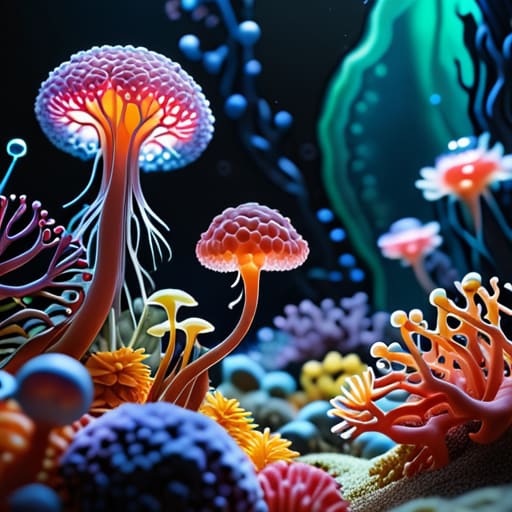
Think of your gut not just as a digestive tube, but as a complex, living ecosystem. When I look at it through a systems engineering lens, it’s all about equilibrium. You have trillions of microbes living in there, and the microbiome balance importance can’t be overstated because when one group of bacteria starts outcompeting the others, the whole system glitches. It’s not just about bloating or discomfort; it’s about the systemic ripple effects that hit your energy levels and even your mood.
This is where the gut-brain axis connection comes into play. It’s wild to think that the communication line between your gut and your head is a two-way street. If your internal environment is a mess, your mental clarity and stress resilience usually take the hit too. I’ve noticed that when my gut is off, my ability to focus on deep work just evaporates. We aren’t trying to build a sterile, perfect environment—that’s impossible. We’re just trying to maintain a functional baseline where the good microbes have enough resources to do their jobs without being sidelined by the bad ones.
5 Low-Effort Shifts to Get Your Gut Back on Track
- Stop chasing “superfoods” and just focus on variety. You don’t need an expensive supplement routine; you just need to eat more different types of plants. Aim for 20–30 different plant-based foods a week—think nuts, seeds, veggies, and even spices. It’s less about any one magic ingredient and more about feeding a diverse crowd of microbes.
- Prioritize fiber, but don’t go zero to sixty overnight. Fiber is the fuel your gut bacteria actually crave, but if you suddenly eat nothing but beans and kale, you’re going to feel bloated and miserable. Scale up slowly and drink plenty of water so your system can actually process the increase.
- Add a little fermented “kick” to your meals. You don’t need to drink gallons of kombucha. Just incorporating small amounts of fermented stuff—like a spoonful of kimchi with dinner, some Greek yogurt for breakfast, or a bit of sauerkraut—can introduce beneficial bacteria without making it feel like a chore.
- Watch the “ultra-processed” trap. I’m not saying you can never have a bag of chips, but the more ingredients a food has that you can’t pronounce, the more likely it is to disrupt your microbiome. Try to stick to single-ingredient foods most of the time to keep the inflammation down.
- Manage your stress, because your gut and brain are literally talking to each other. If you’re constantly in fight-or-flight mode, your digestion is going to take a hit. It sounds cliché, but even five minutes of stepping away from your screens or doing a quick brain dump in my notebook can help settle your nervous system and your gut.
Stop Overthinking It and Just Start
Look, I know we just went through a lot of science, but here’s the bottom line: your gut isn’t some mysterious black box you need to solve with a PhD. It’s just a system. If you’ve been feeling sluggish, bloated, or just generally “off,” those are your body’s way of sending you a notification that the current setup isn’t working. Whether it’s recognizing those warning signs or understanding how your microbiome actually functions, the goal isn’t to overhaul your entire life overnight. It’s about identifying the small leaks in your daily routine—like a lack of fiber or too much processed junk—and plugging them. You don’t need a perfect diet; you just need consistent, manageable adjustments that keep your internal engine running smoothly.
At the end of the day, I’m not asking you to become a wellness influencer or spend three hours a day prepping organic kale. That’s a recipe for burnout, and that’s exactly what we’re trying to avoid. Treat your gut health like any other system you want to optimize: start small, test what works, and iterate. If you can just focus on making one better choice today—maybe more water or one extra serving of fermented food—you’re already winning. Don’t aim for a flawless system; just aim for systems that actually work for your real, busy life. You’ve got this.
Frequently Asked Questions
Do I actually need to buy expensive probiotic supplements, or can I get what I need from regular food?
Look, I’m all about optimization, but I’m also against wasting money on hype. You don’t need a $50 bottle of fancy pills to fix your gut. Most of the time, you can get everything you need through “food first” systems. Think fermented stuff like kimchi, kefir, or even just a bit of Greek yogurt. If you can nail the food side, supplements are usually just an expensive afterthought. Keep it simple.
How long does it actually take before I start noticing a difference in how I feel?
Look, I’m a systems guy, so I get the urge to track every data point immediately. But biology doesn’t follow a sprint logic; it’s more like a slow system reboot. Most people start feeling the “fog” lift in about two to four weeks. You might see minor shifts in digestion sooner, but for the real wins—energy levels and mental clarity—give it a solid month. Don’t quit just because you don’t feel a miracle by Tuesday.
Is there a specific way to track my symptoms so I'm not just guessing what's working?
Stop guessing and start logging. I’m a big believer in the “brain dump” method—don’t overcomplicate this with a fancy app if it feels like a chore. Grab a physical notebook or a simple Notes file. Track three things: what you ate, your energy levels, and your gut symptoms (bloating, discomfort, etc.) on a scale of 1-5. After two weeks, look for the patterns. It’s about finding the data, not being perfect.
Can my stress levels and mental burnout mess with my gut health even if my diet is solid?
Short answer: Absolutely. You can eat all the fermented foods and fiber you want, but if your nervous system is stuck in “fight or flight,” your gut is going to pay the price. Stress literally reroutes blood flow away from your digestive system to your muscles. It’s like trying to run a high-end software update while your CPU is overheating—the system just glitches. If you’re burnt out, your gut health will likely follow.