I spent most of last Tuesday staring at a spreadsheet, my heart racing for absolutely no reason, while my phone buzzed with notifications that felt like tiny physical punches to my gut. It’s that specific, low-grade panic where you feel like you’re drowning in a shallow pool. Most “wellness” gurus will tell you that the solution to this is a $150 yoga retreat or a complicated ten-step mindfulness ritual that takes more time than you actually have. Honestly? That’s just more noise to manage. If you’re looking for how to reduce stress, you don’t need a lifestyle overhaul; you need to stop treating your brain like a laptop with too many tabs open and start looking at the underlying systems.
I’m not here to sell you on some aesthetic, zen-filled fantasy that falls apart the second your boss Slacks you at 6:00 PM. My approach is much more pragmatic: we’re going to look at small, high-leverage shifts in your digital habits, your physical environment, and your daily workflows. I want to give you a toolkit of low-friction systems that actually work when life gets messy. We aren’t aiming for a state of permanent bliss—we’re just aiming to get your head back above water so you can actually focus on what matters.
Table of Contents
Simple Cortisol Reduction Methods That Actually Work

Look, we can talk about “wellness” all day, but if we’re being real, most of the advice out there is too high-maintenance to actually stick. When your cortisol is spiking because of a deadline or a notification overload, you don’t need a week-long retreat; you need something that works in the five minutes between meetings. One of the most effective cortisol reduction methods I’ve found isn’t some complex ritual—it’s just physiological sighs or short bursts of movement. I’ve started using non-negotiable movement breaks to reset my system. Even just five minutes of stretching or a quick walk around the block acts as a manual override for that “fight or flight” feeling.
If you’re more of a seated person, don’t feel like you have to master deep Zen to see results. I used to think mindfulness meditation for anxiety was a scam because I couldn’t sit still for twenty minutes, but I realized it’s actually just about lowering the noise. Try a two-minute breathing exercise right at your desk. It’s not about achieving enlightenment; it’s about telling your nervous system that you aren’t actually being chased by a predator. It’s a small, tactical win that keeps you from spiraling when the workload starts to feel heavy.
Relaxation Techniques for Beginners Who Hate Sitting Still
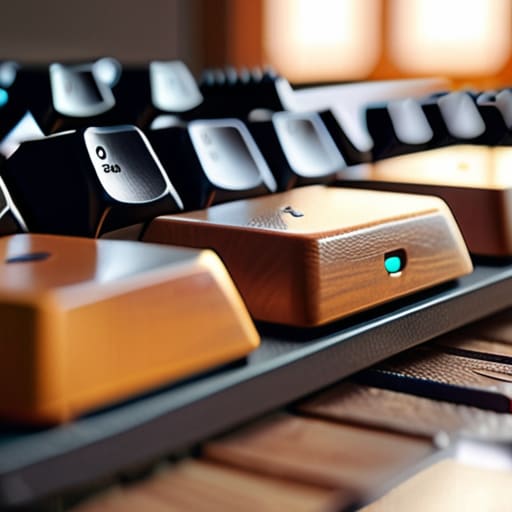
If you’re anything like me, the idea of sitting cross-legged on a cushion for twenty minutes sounds like a special kind of torture. My brain doesn’t “turn off”; it just starts auditing my entire life history. If traditional mindfulness meditation for anxiety feels more like an endurance test than a way to relax, stop forcing it. Instead, look for active relaxation. This means finding ways to channel that restless energy into something tactile. For me, it’s often working on a mechanical keyboard or even just a high-intensity, five-minute cleaning sprint. You’re still lowering your heart rate and clearing your head, but you’re doing it through movement rather than forced stillness.
Another underrated approach is leveraging low-stakes physical activities for mental health. I’m not talking about training for a marathon; I mean a mindless walk around the block without a podcast playing in your ears. When you strip away the digital noise and just focus on the rhythm of your feet hitting the pavement, you’re using one of the most effective stress management coping mechanisms available. It’s about shifting your physiological state without needing a zen master’s discipline. You don’t need to find peace; you just need to find a way to move the tension out of your body.
Low-Friction Systems to Stop the Spiral
- Audit your digital noise. Most of my stress doesn’t come from my actual workload, but from the constant ping of notifications that feel like tiny micro-aggressions. Turn off everything that isn’t a direct human communication. If it’s a social media alert or a news update, it can wait until you actually have the bandwidth to deal with it.
- Use the “Two-Minute Rule” for brain dumps. When my head starts feeling too heavy, I grab my physical notebook and write down every single nagging task or worry. If it takes less than two minutes, do it now. If it takes longer, get it out of your head and onto the paper. Once it’s documented, your brain can stop looping on it.
- Implement “Single-Tasking” blocks. We talk about multitasking like it’s a superpower, but it’s actually just a recipe for cognitive burnout. I set a timer for 25 minutes and commit to one single thing—no tabs, no phone, no music with lyrics. It’s much easier to stay calm when you aren’t trying to juggle five different mental threads at once.
- Build a “Shutdown Ritual.” I used to carry my work stress into my sleep like a heavy backpack. Now, I have a literal ritual: I close my laptop, clear my desk, and write my top three priorities for tomorrow. This tells my brain that the “operations” part of my day is officially offline, allowing me to actually exist in my personal life.
- Control your environment, not just your schedule. If your desk is a graveyard of half-empty coffee mugs and tangled cables, your brain is going to feel cluttered too. Spend five minutes at the end of the day resetting your physical space. A clean workspace isn’t about being “aesthetic”—it’s about reducing the visual friction that keeps your nervous system on high alert.
The Bottom Line
Look, we’ve covered a lot of ground here—from managing your cortisol levels to finding movement-based relaxation that doesn’t feel like a chore. The common thread in everything we’ve discussed is that stress management isn’t about a total lifestyle overhaul or buying a bunch of expensive wellness gadgets. It’s about lowering the friction between your current state and a state of calm. Whether you’re trying a quick breathing reset or just building a better morning routine, the goal is to implement systems that actually stick without adding more weight to your mental load.
If you feel overwhelmed by the sheer volume of things you “should” be doing to fix your stress, stop. Just pick one thing—literally just one—from this list and try it tomorrow. You don’t need to optimize every single second of your existence to be successful or happy. We aren’t aiming for a perfectly zen life; we’re just aiming for a life that feels a little more manageable. Start small, keep your systems simple, and remember that progress is better than perfection every single time.
Frequently Asked Questions
How do I actually stick to these habits when I'm already in the middle of a burnout spiral?
Look, I get it. When you’re spiraling, even “self-care” feels like another chore on an endless to-do list. My rule for this? Lower the bar until it’s on the floor. Don’t try to meditate for twenty minutes; just sit in silence for sixty seconds. Don’t “start a fitness routine”; just walk to the mailbox. When your bandwidth is zero, we aren’t building systems—we’re just performing micro-wins to stop the bleed.
Are there specific digital tools or apps that help with this, or will they just add more screen time?
Honestly? Most apps are just more noise disguised as “wellness.” If an app’s goal is to keep you scrolling, it’s failing you. I try to stick to “utility-first” tools. Think simple timers like Forest to stay off your phone, or a basic white noise generator. But my real rule is: if the tool requires more maintenance than the problem it’s solving, ditch it. Sometimes, the best digital tool is just turning your phone on Do Not Disturb.
How much time do I really need to dedicate to these systems before I start seeing a difference in my stress levels?
Look, I’m not going to give you some “see results in 24 hours” nonsense. That’s not how systems work. Realistically? You’ll feel a slight mental shift within a few days, but the actual structural change happens around the three-week mark. Don’t aim for a marathon session; aim for consistency. It’s better to do five minutes of something every single day than a two-hour “reset” once a month. Just show up.
What do I do when my job or environment makes it impossible to step away for a "relaxation break"?
Look, I get it. Some days, “stepping away” is a luxury your job won’t let you have. If you’re stuck at your desk, stop trying to find a zen garden and start using micro-systems. Try “box breathing” for sixty seconds between emails, or use a physical fidget tool to ground yourself. Even just a quick eye-reset—looking at something twenty feet away for twenty seconds—breaks the digital loop. It’s about small, invisible resets.