I’m so sick of seeing “healthy snacks” marketed as these $14 artisanal, organic, vacuum-sealed pouches of dehydrated nonsense that taste like flavored cardboard. Honestly, it’s just another way to drain your bank account while adding unnecessary friction to your day. I grew up watching my parents stress over every single calorie and ingredient label, thinking they needed a degree in nutrition just to survive a Tuesday afternoon. But here’s the reality: most of those “wellness” snacks are just over-engineered distractions designed to make you feel like you’re optimizing your life when you’re actually just overspending.
I’m not here to give you a list of trendy superfoods that require a trip to a specialty boutique. Instead, I want to share the actual, low-friction systems I use to keep my energy stable without turning my kitchen into a laboratory. I’m going to show you how to build a reliable snack rotation that is fast, cheap, and—most importantly—actually works when you’re in the middle of a deep work session. We aren’t aiming for a perfect diet; we’re just building systems that stick.
Table of Contents
Ditch the Diet Trap for Whole Food Snack Alternatives
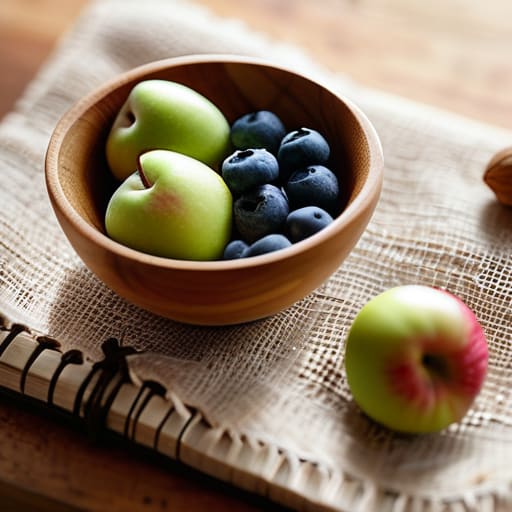
Look, I spent way too much of my early twenties falling into the “diet food” trap. I’d grab those processed, “light” protein bars or zero-sugar crackers thinking I was being efficient, only to end up crashing an hour later because my body was basically running on air and chemicals. We need to stop treating snacks like a math equation of calories versus restriction. Instead, I’ve started looking at whole food snack alternatives as a way to actually fuel my brain for work, rather than just filling a void.
The system is simple: if it comes in a wrapper with a list of ingredients I can’t pronounce, it’s probably going to fail you when you’re stressed. I’ve found that shifting toward high protein snack ideas—like a handful of almonds, some Greek yogurt, or even hard-boiled eggs—keeps my blood sugar from spiking and crashing. It’s not about being perfect or counting every single macro; it’s about choosing things that actually sustain you. When you stop fighting your hunger with processed junk, you stop the cycle of mindless grazing and finally start feeling in control of your energy.
Low Calorie Snack Options That Wont Leave You Starving
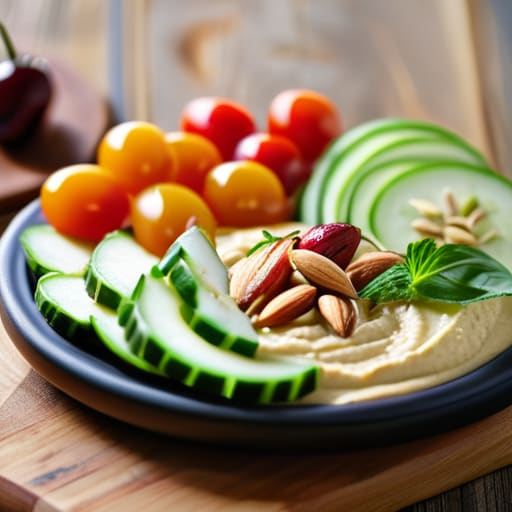
The biggest mistake I see people make with low calorie snack options is treating them like “punishment” food. If you grab a single rice cake or a handful of air-popped popcorn and call it a day, you’re basically setting yourself up for a blood sugar crash and a massive binge an hour later. To make this work, you have to stop thinking about calories in a vacuum and start thinking about satiety.
If you want to actually feel full, you need to pivot toward high protein snack ideas that hit your stomach and stay there. I’m talking about Greek yogurt with a few berries, a hard-boiled egg, or even some low-fat cottage cheese. These aren’t just random choices; they are tactical moves to keep your hunger hormones in check. When you pair a bit of protein with some fiber—like an apple with a small smear of almond butter—you create a system that stabilizes your energy instead of sending you on a rollercoaster. It’s about choosing foods that provide actual utility for your body, rather than just filling a temporary void.
My Low-Friction Framework for Better Snacking
- Stop relying on willpower and start relying on prep. If I have to hunt through the pantry for something “healthy” when I’m already hungry, I’ve already lost. I keep pre-portioned bags of nuts or sliced cucumbers in the fridge so the friction to eat well is lower than the friction to grab junk.
- Follow the protein + fiber rule. If you just grab a handful of crackers, your blood sugar is going to spike and crash, leaving you exhausted an hour later. Always pair a carb with a protein or a healthy fat—think apple slices with peanut butter or Greek yogurt with berries—to actually stay full.
- Audit your “emergency” stash. We all have that one drawer filled with processed granola bars that are basically just candy bars in disguise. I did a sweep of my pantry last week and realized half my “healthy” snacks had more sugar than a soda. If it’s not real food, it shouldn’t be your go-to.
- Drink a glass of water before you reach for the snack. Half the time I think I’m hungry, I’m actually just dehydrated and my brain is sending mixed signals. It’s a simple system check: water first, then decide if you actually need fuel.
- Keep your portions visual, not mathematical. Don’t stress about tracking every single calorie in a snack; it’s exhausting and leads to burnout. Just use a small bowl or a specific container. If it fits in the bowl, it’s the snack. If you’re eating straight out of a family-sized bag, you’re not snacking, you’re just grazing without a system.
Systems Over Perfection
Look, we’ve covered a lot of ground here, from swapping out processed junk for actual whole foods to finding those low-calorie options that won’t leave you staring blankly at your laptop in a hunger-induced fog by 3:00 PM. The goal isn’t to turn your kitchen into a laboratory or follow a rigid, soul-crushing meal plan. It’s about building a repeatable system that removes the friction between you and a decent meal. Whether it’s keeping a bag of almonds in your desk drawer or having pre-cut veggies ready to go, the win comes from reducing decision fatigue before the hunger even hits.
At the end of the day, don’t let the pursuit of the “perfect” snack become another source of digital-age burnout. If you grab a bag of chips one afternoon, don’t spiral; just reset the system the next day. We aren’t aiming for a flawless diet; we’re just trying to build habits that support our actual lives instead of complicating them. Stop fighting your biology and start optimizing your environment so that the healthy choice becomes the easiest choice. You’ve got enough on your plate—literally and figuratively—so let’s make sure your fuel is working for you, not against you.
Frequently Asked Questions
How do I prep these snacks without spending my entire Sunday in the kitchen?
Look, I get it. The idea of “meal prepping” usually conjures up images of spending six hours in a kitchen surrounded by Tupperware. That’s a recipe for burnout. Instead, aim for “component prepping.” Don’t cook full meals; just prep the building blocks. Wash your berries, portion out your nuts, and chop your veggies in one 20-minute sprint. If the system takes more effort than the actual snacking, it’s a bad system. Keep it low-friction.
Is there a way to keep healthy options on hand when I'm stuck at my desk all day?
The “desk trap” is real. When you’re deep in a workflow, grabbing whatever is closest is the default. To fix this, stop relying on willpower and start building a system. Keep a “stash kit” in your drawer: think almonds, roasted chickpeas, or even high-quality protein bars. If it’s within arm’s reach, you’ll eat it. If you have to walk to the kitchen, you’ve already lost the battle to distraction.
How do I balance protein and carbs so I don't crash an hour after eating?
The secret isn’t about cutting carbs; it’s about pairing them with a “buffer.” If you eat a handful of crackers alone, your blood sugar spikes and then tanks, leaving you useless an hour later. I always aim for a 1:1 or 2:1 ratio of protein/fat to carbs. Think apple slices with peanut butter or Greek yogurt with a bit of granola. The protein and fat slow down digestion, smoothing out that energy curve.
What are some quick, zero-prep snacks for when I'm actually too busy to think about food?
Look, when I’m deep in a sprint or a deadline is looming, I don’t have the bandwidth for “meal prep.” I need zero-friction fuel. Keep a stash of almonds or walnuts in your desk—they’re pure brain fuel. Grab a Greek yogurt cup or some string cheese from the fridge; it’s instant protein with zero effort. Even a piece of fruit like an apple works. If it requires a recipe, it’s not happening. Just grab and go.