I remember sitting at my desk last Tuesday, staring at a lukewarm cup of black coffee and a mountain of spreadsheets, feeling that familiar, crushing weight in my chest. My phone was pinging with notifications, my brain felt like a browser with fifty tabs open, and the “wellness” influencers on my feed were telling me I just needed a $15 green juice and a 5:00 AM meditation session to fix it. It’s total nonsense. Most advice about healthy habits for a busy schedule is designed for people who have nothing but time, not for those of us actually trying to build a career and a life simultaneously. We don’t need more complex rituals; we need systems that actually work when we’re exhausted.
I’m not here to sell you on a lifestyle overhaul that requires a complete personality transplant. Instead, I want to share the low-friction, practical tactics I’ve used to keep my head above water without burning out. We’re going to strip away the fluff and focus on minimalist adjustments—the kind of small, repeatable wins that fit into the cracks of a chaotic day. My goal is simple: to help you reclaim your mental bandwidth through realistic, no-nonsense systems that actually stick.
Table of Contents
Time Efficient Meal Prepping Without the Kitchen Chaos
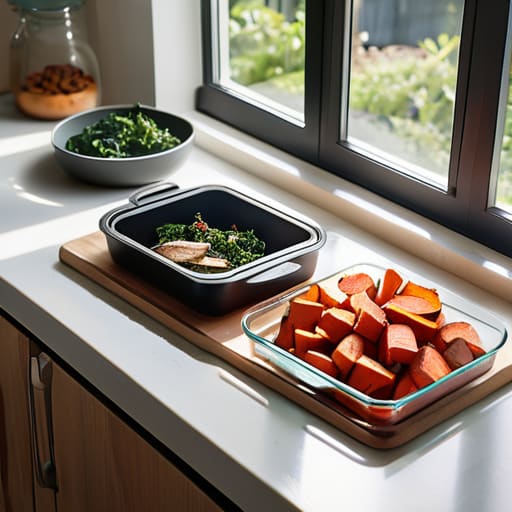
Look, I get it. The idea of spending your entire Sunday afternoon hovering over a stove, surrounded by Tupperware and a mountain of dishes, feels less like “wellness” and more like a second job. My engineering brain hates inefficiency, but I also know that if a system is too high-maintenance, you’re going to abandon it by Tuesday. That’s why I’ve moved away from the “all-or-nothing” meal prep model and shifted toward time-efficient meal prepping that actually scales with a real life.
Instead of cooking five different complex recipes, I focus on component prepping. I’ll roast two trays of veggies, boil a big batch of grains, and prep one solid protein source. This isn’t about being a gourmet chef; it’s about building a modular system. When Wednesday rolls around and my brain is fried from back-to-back meetings, I don’t have to “decide” what to eat. I just grab a base, add a component, and I’m done.
I also swear by habit stacking for wellness when it comes to nutrition. I’ll pair my evening wind-down routine with a quick assembly of my lunch for the next day. It takes five minutes, but it removes that morning decision fatigue that usually leads to me grabbing a mediocre takeout sandwich.
Nutritious Snacks for Work That Actually Fuel You
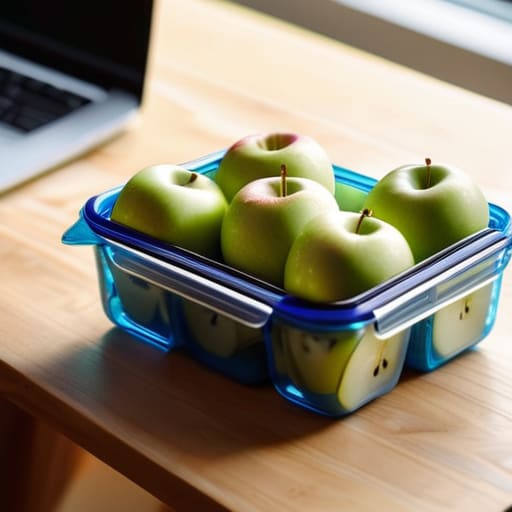
We’ve all been there: it’s 3:00 PM, your focus is tanking, and suddenly that vending machine bag of chips looks like a gourmet meal. The problem isn’t your willpower; it’s your system. When you’re running on empty, your brain defaults to the easiest hit of dopamine, which usually leads to a massive sugar crash an hour later. Instead of fighting that urge, I’ve found success by treating nutritious snacks for work as a tactical resource rather than an afterthought.
The trick is to stop relying on “willpower” and start relying on pre-staged convenience. I keep a stash of almonds, Greek yogurt, or even simple protein bars in my desk drawer so I’m never more than thirty seconds away from a real fuel source. If I have to walk to a breakroom to find something, I’ve already lost the battle.
I also like to use a bit of habit stacking for wellness here. For me, that means pairing a quick snack with a five-minute stretch or a quick glance away from my monitor. It’s not about a massive lifestyle overhaul; it’s just about making sure the fuel you’re putting in your body actually supports the work you’re trying to do.
Low-Friction Habits That Won't Crash Your System
- Stop aiming for the “perfect” workout. If you can’t hit the gym for an hour, do ten minutes of bodyweight movements in your living room. The goal is to keep the streak alive, not to burn yourself out by trying to schedule an Olympic training session on a Tuesday afternoon.
- Use “habit stacking” to stop relying on willpower. Don’t just “try to remember” to drink more water; tie it to something you already do, like drinking a full glass every time you refill your coffee or finish a meeting. It turns a conscious decision into a background process.
- Audit your digital noise before it audits you. I spent way too long letting notifications dictate my focus. Turn off everything that isn’t a direct message from a human being. If it’s an app trying to sell you something or a social media ping, it doesn’t deserve your mental bandwidth.
- Set a “hard stop” for your workday. When you work remotely or in high-pressure roles, the lines get blurry and you end up in a state of perpetual low-grade stress. Pick a time, close the laptop, and physically move to a different space. Your brain needs a clear signal that the “work” process has terminated.
- Prep your environment the night before. I’m a big believer in reducing decision fatigue. Lay out your gym clothes, pack your bag, or even just clear your desk before you go to bed. You want to eliminate as many small, annoying choices as possible when you’re operating on low morning energy.
The Bottom Line
Look, we’ve covered a lot of ground here, from streamlining your kitchen routine to picking snacks that won’t leave you crashing at your desk by 3 PM. The goal isn’t to turn your life into a rigid, high-performance laboratory where every calorie and minute is tracked. It’s really just about reducing the friction between your intentions and your actions. Whether it’s simplifying your meal prep or just having a few reliable fuel sources on hand, these small tweaks are meant to serve you, not the other way around. If you try to implement everything at once, you’ll burn out by Tuesday. Just pick one or two systems that feel manageable and start there.
At the end of the day, your health shouldn’t feel like another exhausting task on your to-do list. I spent years watching my parents struggle to balance everything, and if there’s one thing I’ve learned through my own obsession with optimization, it’s that consistency beats intensity every single time. You don’t need a total life overhaul to see a difference; you just need a few reliable habits that actually fit into the messy reality of your schedule. Stop waiting for the “perfect” time to get healthy and just build systems that work for the life you’re actually living right now.
Frequently Asked Questions
What do I do when my schedule completely falls apart and I can't stick to my planned habits for a day?
Look, I’ve been there. My entire system crashes when a deadline moves or a flight gets delayed. When the schedule breaks, stop trying to force the old plan. That’s just setting yourself up for more burnout. Instead, pivot to “Minimum Viable Habits.” If you can’t do a 30-minute workout, do ten pushups. If you can’t meal prep, grab a salad. Just keep the momentum alive with the smallest possible version of your routine.
How much time should I actually be spending on "wellness" without it becoming another overwhelming task on my to-do list?
Look, if your “wellness routine” feels like a second job, you’re doing it wrong. I used to spend hours trying to optimize every minute, and it just led to more burnout. Realistically? Aim for 15 to 30 minutes of intentionality a day. That’s it. Whether it’s a quick walk or just sitting without a screen, keep it low-friction. If it’s not easy enough to do on your worst day, it’s not a system; it’s just more noise.
Are there any low-effort ways to stay active if I'm stuck at a desk for ten hours a day?
Look, I get it. When you’re deep in a spreadsheet or a coding sprint, the last thing you want to do is a HIIT workout. But sitting for ten hours is a slow drain on your focus. Don’t aim for a gym session; aim for “movement snacks.” Set a timer for every hour to just stand up and stretch for sixty seconds, or take every call standing up. It’s not about intensity—it’s about breaking the stillness.
How can I stop the "all or nothing" mindset when I miss a single healthy habit?
Look, I get it. I’ve been there—one missed workout or one late-night pizza run, and suddenly the whole “system” feels broken. But here’s the thing: perfection is the enemy of progress. If a single gear slips in a machine, you don’t scrap the whole engine; you just recalibrate. Stop treating your habits like a glass vase that shatters. Treat them like a running tally. One bad data point doesn’t ruin the trend. Just reset.