I’m so tired of seeing “wellness influencers” sell us $200 worth of organic powders and complicated meal prep schedules that require a PhD to follow. Most of the advice out there on how to build better eating habits feels like it was designed by someone who has nothing better to do than track every single macro in a spreadsheet. It’s exhausting, it’s expensive, and frankly, it’s a recipe for burnout. I grew up watching my parents crash and burn trying to follow these “perfect” dietary protocols, only to end up ordering takeout by Wednesday because the system was too rigid to survive a real work week.
Here’s my promise: we aren’t going to chase perfection or buy a bunch of unnecessary gadgets. Instead, I want to show you how to apply a bit of systems engineering to your kitchen. I’m going to share the low-friction, practical frameworks I use to keep my energy up without making food feel like a second job. We’re going to focus on building sustainable loops rather than temporary fixes, so you can stop fighting your cravings and start focusing on what actually matters.
Table of Contents
Simple Meal Planning for Beginners Who Hate Complexity
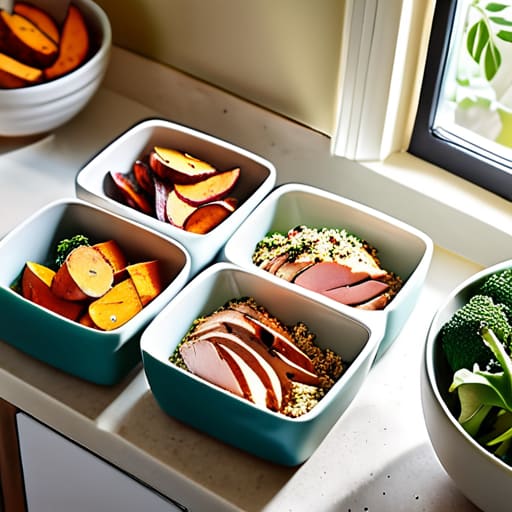
Most people think meal planning means spending six hours on a Sunday afternoon in a sterile kitchen, portioning out Tupperware like they’re preparing for a long-term apocalypse. That’s a recipe for burnout, and honestly, it’s why most people quit by Wednesday. If you’re looking for meal planning for beginners, my advice is to ditch the rigid schedules and embrace a “component” mindset instead. Rather than cooking complex recipes, just prep a few versatile building blocks: a grain, a roasted veggie, and a protein. This gives you the flexibility to mix and match throughout the week without feeling like you’re eating the exact same mush every single day.
The goal here isn’t to become a gourmet chef; it’s to reduce the number of decisions you have to make when you’re tired and hungry. When you have these components ready, you’re much less likely to fall into the trap of mindless snacking or ordering takeout because you’re too drained to think. It’s about creating low-friction systems that support your goals. By focusing on these small, repeatable wins, you’re making sustainable dietary changes that actually fit into a busy schedule rather than fighting against it. Keep it simple, keep it modular, and let the system do the heavy lifting for you.
Nutritional Balance Tips That Wont Drain Your Brain
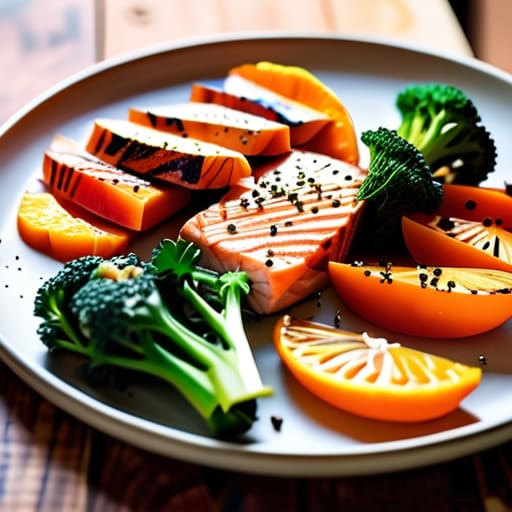
The biggest mistake I see people make is treating nutrition like a math exam. If you try to track every single macro and calorie from day one, you’re going to burn out by Tuesday. Instead of obsessing over numbers, I look for nutritional balance tips that focus on the “plate method.” Basically, just try to eyeball your plate so half of it is colorful stuff—veggies, mostly—and the rest is your protein and carbs. It’s a low-friction way to ensure you’re actually fueling your body without needing a spreadsheet to do it.
Another thing that saved my sanity was moving away from the “all or nothing” mindset. When I was feeling stressed at work, I’d often default to mindless snacking, which is basically just overcoming emotional eating in reverse. I started implementing a few simple mindful eating techniques, like actually sitting at a table instead of eating over my keyboard. It sounds small, but it forces you to actually register when you’re full. We aren’t looking for a perfect diet; we’re just trying to build a system where you’re making intentional choices rather than reactive ones.
Small Tweaks to Stop the Decision Fatigue
- Stop treating every meal like a high-stakes project. If you’re too tired to cook, have a “fallback meal” ready—something healthy but zero-effort, like Greek yogurt and berries or a pre-washed salad kit. It prevents the inevitable 8 PM pivot to takeout.
- Use the “Add, Don’t Subtract” rule. Instead of obsessing over what you can’t eat (which just makes you crave it more), focus on what you can add to the plate. Need more fiber? Throw a handful of spinach into that pasta. Need more protein? Add an egg to your toast. It’s way less mentally taxing.
- Batch your “infrastructure,” not just your meals. You don’t have to spend five hours on Sunday cooking entire recipes. Just prep the components: wash the fruit, boil some eggs, or roast a tray of veggies. Having the building blocks ready makes assembly feel like a win rather than a chore.
- Audit your environment, not your willpower. If the junk food is sitting on your counter, you’re eventually going to eat it. I’ve learned that my willpower is a finite resource that runs out by Tuesday. Move the easy snacks to a high shelf or a different room, and keep the high-utility stuff front and center.
- Build in a “buffer zone” for social life. Don’t try to be a nutrition robot. If you have a heavy dinner planned with friends, just adjust your lunch to be lighter and more protein-focused. Systems work best when they have room to breathe, not when they’re so rigid they snap the moment life happens.
The Bottom Line
Look, we’ve covered a lot of ground, from stripping the friction out of meal planning to finding a nutritional balance that doesn’t require a PhD in biochemistry. If you take nothing else away from this, remember that the goal isn’t to transform into a person who eats nothing but steamed kale and organic quinoa. It’s about building a sustainable framework that handles the heavy lifting for you. By simplifying your prep and focusing on basic balance rather than rigid restriction, you’re essentially building a system that works even on your most chaotic, high-stress days.
At the end of the day, your habits should serve you, not the other way around. If a specific system feels too heavy or starts to feel like another chore on your to-do list, scrap it and tweak it. We aren’t aiming for a flawless diet; we’re just trying to reduce the mental load of making healthy choices. Don’t let the pursuit of a “perfect” lifestyle get in the way of a functional one. Just pick one small thing, implement it this week, and keep moving forward. You’ve got this.
Frequently Asked Questions
What do I do when my schedule completely falls apart and I can't follow my meal plan?
Look, I’ve been there. A deadline spikes, your calendar turns into a dumpster fire, and suddenly your meal prep is sitting in the fridge while you’re eating cereal over your keyboard at 9 PM.
How do I stop mindless snacking when I'm stressed or working late?
The “stress-snack loop” is usually just a glitch in your system. When your brain hits a wall, it craves quick dopamine, and sugar is the easiest fix. To break it, I use a friction-based approach. First, keep the “emergency” snacks out of sight—if you have to stand up and open a cupboard to find them, you’ve bought yourself ten seconds of logic. Second, keep a high-quality water bottle at your desk. Often, your brain is just signaling thirst or boredom. Keep it simple: hydrate first, then decide if you’re actually hungry.
Is it worth spending extra time on meal prep, or should I just focus on better takeout choices?
Honestly? It’s not an either/or situation. If you’re already drowning in work, don’t force yourself into a four-hour Sunday meal prep marathon—that’s a recipe for burnout. Instead, aim for a hybrid. Use meal prep to handle the high-friction stuff (like cooking a big batch of grains or protein) and use better takeout choices to fill the gaps. It’s about reducing decision fatigue, not adding more chores to your list.
How do I track my progress without turning eating into another stressful chore?
Stop trying to count every single calorie; that’s a fast track to burnout. Instead, use “low-friction tracking.” I started using a simple habit tracker in my pocket notebook—just a checkmark if I hit my protein goal or ate enough greens. If you want digital, use an app just to log meals once or twice a week for a quick pulse check, not every single bite. Track the trends, not the perfection.