I’m so tired of seeing “budget gurus” tell you that saving money means spending three hours every Sunday meal-prepping exotic grains or clipping digital coupons like it’s 2005. Honestly, that’s not a system; it’s a second job, and most of us are already running on fumes. If you’re looking for a complex, step-by-step manual on how to save on groceries that requires a degree in logistics, you’re in the wrong place. Real life is messy, your schedule is unpredictable, and trying to follow a rigid, “perfect” food plan is the fastest way to end up face-down in a takeout menu by Wednesday night.
I’m not here to sell you on a lifestyle overhaul that you’ll abandon in two weeks. Instead, I want to show you how to build low-friction systems that actually stick when you’re exhausted. I’ve spent a lot of time analyzing how to optimize my own spending without turning my kitchen into a high-stress command center. We’re going to strip away the fluff and focus on a few practical, high-leverage shifts that protect your bank account and your mental bandwidth. Let’s get into it.
Table of Contents
Mastering Meal Planning for Beginners Without the Stress
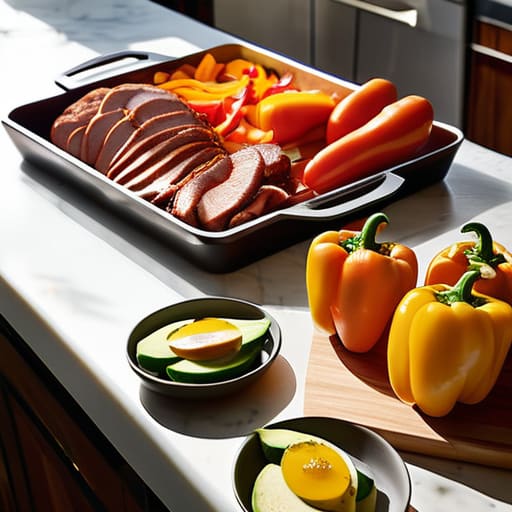
Look, I used to think meal planning meant spending my entire Sunday afternoon in a kitchen-induced trance, prepping twenty identical Tupperware containers of bland chicken and broccoli. That’s not a system; that’s a chore, and it’s exactly how you end up ordering takeout by Wednesday because you’re burnt out. Real meal planning for beginners isn’t about being a gourmet chef; it’s about reducing the number of decisions you have to make when you’re tired and hungry. I started by just picking three core proteins and two versatile veggies to rotate through the week. It’s less about rigid recipes and more about building a modular menu that adapts to whatever is actually in your fridge.
The secret to making this stick is connecting your plan directly to your shopping list. If it’s not on the list, it doesn’t go in the cart. This simple boundary is the most effective way of reducing food waste at home, which is basically just throwing money directly into the trash. I also try to lean into seasonal produce advantages—buying what’s actually in season is almost always cheaper and tastes significantly better. Don’t aim for a masterpiece every night; just aim for a predictable rhythm that keeps your budget intact and your brain clear.
Smart Grocery Shopping Tips That Actually Work
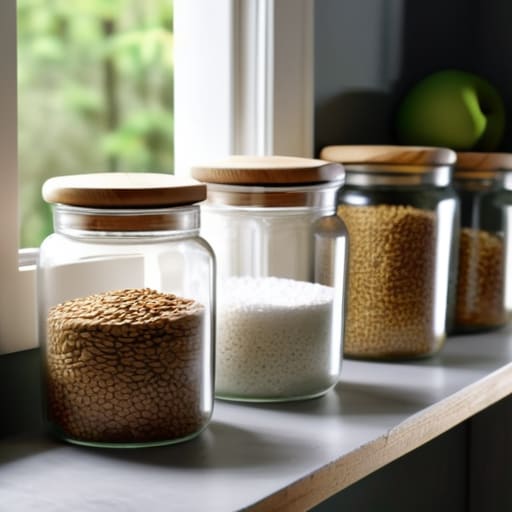
Once you’ve got your meal plan drafted, the next step is the execution phase. This is where most people fall apart—they walk into the store hungry, get distracted by a flashy end-cap display, and end up with a cart full of impulse buys that weren’t on the list. To avoid this, I treat my grocery trip like a systems engineering problem. I stick strictly to my list and try to shop the perimeter of the store first. If you want to see real results, look into the bulk buying benefits for staples like rice, oats, or beans. Buying these in larger quantities drastically lowers your cost per serving, provided you actually have the pantry space to store them.
Another thing I’ve learned is that timing is everything. If you can, try to shop when the store is less chaotic, or better yet, use the store’s app to check for digital deals before you even leave the house. Using grocery store coupons or loyalty rewards isn’t just for your grandparents; it’s a low-effort way to shave a few percentage points off your total bill every single week. It’s about those small, incremental wins. When you combine a solid list with a bit of strategic timing, you stop leaking money on things you don’t even need.
The "Low-Friction" Tactics for Cutting Costs
- Stop buying pre-cut produce. I know, it’s tempting when you’re exhausted after work, but the “convenience tax” is brutal. Buy the whole head of broccoli or the bag of carrots instead. It takes five extra minutes of prep, but it saves you dollars every single week.
- Audit your pantry before you even leave the house. There’s nothing worse than getting home and realizing you bought a third jar of cumin when you already had two hiding in the back. Use that pocket notebook of mine to jot down what you actually need versus what you just want.
- Embrace the “Store Brand” lifestyle. Most of the time, the generic version of beans, pasta, or frozen veggies is literally the exact same ingredient as the name brand, just without the flashy marketing budget. If the ingredients list is identical, buy the cheaper one. Period.
- Shop the perimeter and the sales cycle. The stuff in the middle aisles is usually processed and overpriced. Focus on the staples—grains, proteins, seasonal produce—and try to align your big trips with what’s actually on sale that week. It’s about working with the store’s rhythm, not against it.
- Batch-cook your “safety meals.” Always keep a few versatile ingredients on hand—like a big bag of rice or dried lentils—that can be turned into a meal in ten minutes. This prevents the “emergency” expensive takeout order when you’re too tired to think, which is usually where the real budget bleeding happens.
Stop Aiming for Perfection, Start Building Systems
Look, we’ve covered a lot of ground here—from the heavy lifting of meal planning to the tactical side of navigating the grocery aisles. If you take nothing else away from this, just remember that saving money isn’t about some radical lifestyle overhaul or living on nothing but beans and rice. It’s about the small, repeatable systems: having a rough plan before you walk through the doors, sticking to a list, and not letting impulse buys win when you’re hungry. You don’t need a master spreadsheet or a PhD in nutrition to make this work; you just need to stop fighting your own habits and start working with them.
At the end of the day, the goal isn’t just to see a lower number on your bank statement—though that’s a pretty great side effect. The real win is the mental bandwidth you reclaim when you aren’t constantly stressing about “what’s for dinner” or feeling guilty about your spending. Life is messy, and some weeks your system is going to fail. You’ll buy the expensive takeout, or you’ll let the spinach rot in the crisper drawer. That’s fine. Don’t let a bad week turn into a bad month. Just reset and restart the next time you hit the store. You’re not looking for a perfect streak; you’re just looking for systems that actually work for your real, busy life.
Frequently Asked Questions
What do I do when my meal plan completely falls apart because I'm too tired to cook?
Look, we’ve all been there. You stare at the fridge after a ten-hour shift and the last thing you want to do is follow a recipe. My rule? Build a “Low-Battery Menu.” Keep a rotation of zero-effort staples—frozen dumplings, eggs and toast, or even high-quality canned soup—that require zero brainpower. When the plan fails, don’t default to expensive takeout. Just pivot to your fallback system. It’s not a failure; it’s just an optimized pivot.
Is it actually cheaper to buy in bulk, or am I just wasting money on stuff that's going to expire?
Bulk buying is a trap if you aren’t thinking like a systems engineer. If you’re grabbing a massive bag of kale just because it’s “cheaper per ounce,” you aren’t saving money—you’re just pre-paying for trash.
How do I stay disciplined with my list when I'm standing in the middle of the aisle feeling hungry?
Look, I’ve been there. You’re staring at the snack aisle, your stomach is growling, and suddenly that carefully crafted list feels like a suggestion rather than a rule. My rule of thumb? Never shop hungry, but if you already are, lean on your systems. Treat your list like a blueprint, not a wish list. If it’s not on the paper, it doesn’t go in the cart. Stick to the perimeter and get out.
Are there any specific apps or tools that actually help, or is that just more digital noise I don't need?
Look, I get it. Most productivity apps are just another way to procrastinate by “organizing” instead of actually doing. My rule is simple: if an app takes more time to manage than the problem it’s solving, delete it. For me, it’s just a basic shared Notes app for the grocery list and a simple budget tracker. Don’t let “optimization” become a distraction. Use a tool if it clears mental space; ditch it if it adds noise.