I spent three months thinking I needed a $1,500 ergonomic throne and a specialized standing desk to fix the dull ache in my lower back. I fell for the same marketing trap everyone else does, convinced that “wellness” was something you had to buy in bulk. But after staring at spreadsheets for ten hours a day as a junior analyst, I realized that most of the high-end desk job health tips being pushed by influencers are just expensive noise. You don’t need a complete office overhaul to stop feeling like a human pretzel by 3 PM; you just need better systems.
I’m not here to sell you a lifestyle overhaul or a subscription to a meditation app. My goal is to give you the stripped-back, pragmatic reality of how I actually stay functional while crushing my workload. I’ve distilled my own trial and error into a few highly actionable tweaks that focus on movement, environment, and mental bandwidth. We aren’t aiming for some impossible standard of peak performance; we’re just building systems that work so you can finish your day without feeling completely drained.
Table of Contents
The Ergonomic Workstation Setup That Actually Works

Look, I spent way too much time in my early twenties trying to build the “perfect” setup, thinking a $1,200 chair was a magic fix for my back pain. It wasn’t. The truth is, a great ergonomic workstation setup isn’t about the gear you buy; it’s about how you position yourself within it. I started by focusing on the “90-degree rule”—elbows, hips, and knees all at roughly right angles. If your monitor is too low, you’re going to end up hunched over like a question mark, which is a fast track to needing constant desk stretches for neck pain.
Instead of chasing expensive gadgets, start with the basics: your eyes and your posture. Your screen should be at eye level so you aren’t tilting your chin down all day. If you’re working on a laptop, get a cheap stand and an external keyboard; it’s a total game-changer for your spine. Also, don’t ignore your eyes. I started using the 20-20-20 rule—every 20 minutes, look at something 20 feet away for 20 seconds—as a simple way to find eye strain relief for computer users. It sounds small, but it stops that mid-afternoon brain fog from setting in.
Preventing Sedentary Lifestyle Diseases Without the Fuss
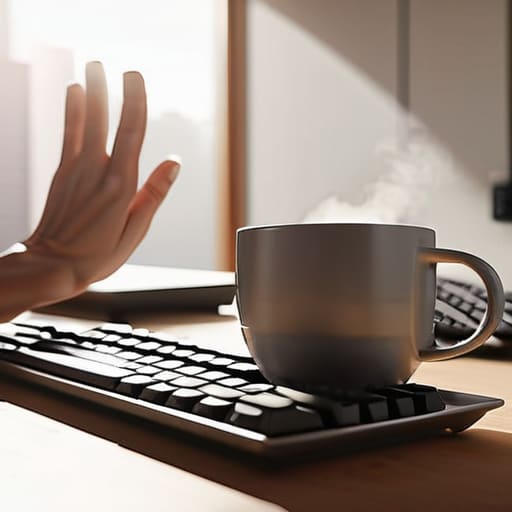
Look, I get it. When you’re deep in a flow state or staring down a deadline, the last thing you want to do is get up and start doing yoga in the middle of the office. But staying glued to your chair for eight hours straight is a slow-motion recipe for disaster. We aren’t trying to turn your cubicle into a gym; we’re just trying to avoid the long-term fallout of preventing sedentary lifestyle diseases. The goal is to break up the stillness before your body starts sending you angry signals.
I’ve found that the most effective way to do this is by building a low-friction office wellness routine that doesn’t feel like a chore. Instead of aiming for a massive workout, try the “micro-movement” approach. Every time you finish a task or hit a milestone, stand up. Even if you don’t have a standing desk, just the act of getting up to grab water or doing a quick set of desk stretches for neck pain can reset your physical state. It’s about small, consistent interruptions to the stagnation rather than waiting until you’re already feeling stiff and broken.
Small Tweaks to Stop the Mental and Physical Drain
- Stop the “doomscrolling” breaks. When you’re feeling burnt out, your instinct is to grab your phone, but that just adds more digital noise to your brain. Instead, try a “sensory reset”—stare out a window at something far away or grab a glass of water. Give your eyes and your dopamine receptors a second to actually breathe.
- Treat your eyes like a high-performance component. If you’re staring at a screen for eight hours, you’re going to hit a wall. Use the 20-20-20 rule: every 20 minutes, look at something 20 feet away for 20 seconds. It sounds basic, but it keeps the eye strain from turning into a tension headache by mid-afternoon.
- Optimize your hydration system. I used to rely on caffeine to power through, but it just leads to the inevitable 3 PM crash. Keep a physical water bottle on your desk—not a tiny one, a real one. If it’s right in front of you, you’ll actually drink it, and staying hydrated is the easiest way to keep your focus from tanking.
- Audit your notification settings. My biggest productivity killer isn’t the workload; it’s the constant pinging. Turn off every non-essential notification on your desktop and phone. If it’s not a direct message from a human that requires an immediate response, it can wait until you’ve finished your current deep-work block.
- Build a “transition ritual” to end your day. Since I work in a digital-heavy role, my brain doesn’t just “switch off” when I close my laptop. I’ve started using a physical notebook to write down the top three things I need to do tomorrow. Once it’s on paper, it’s out of my head, and I can actually enjoy my evening without the mental loop of unfinished tasks.
The Bottom Line
Look, I know it feels like a lot to track. Between adjusting your monitor height, remembering to stand up every hour, and trying not to turn into a human pretzel by the end of the day, it can feel like just another set of tasks on an already overflowing to-do list. But the goal here isn’t to turn your workspace into a sterile laboratory. It’s about making small, incremental shifts in how you interact with your desk. Whether it’s a quick stretch or a minor tweak to your chair, these aren’t just “health tips”—they are low-friction systems designed to keep you from hitting a wall before the clock even hits five.
At the end of the day, your career is a marathon, not a sprint, and you can’t finish the race if your hardware is constantly breaking down. Don’t get caught up in the trap of trying to build the “perfect” wellness routine overnight. Just pick one thing from this list and implement it tomorrow. If it works, keep it; if it doesn’t, tweak it. We aren’t aiming for a flawless existence; we’re just trying to build a life where you actually have the energy to enjoy your time once the laptop finally closes. Start small, stay consistent, and let the systems do the heavy lifting.
Frequently Asked Questions
I don't have the budget for a high-end standing desk; are there cheap ways to actually change my posture during the day?
Look, you don’t need a $600 motorized desk to stop slouching. I’ve been there. Honestly, the best hack is just a stack of sturdy books or a wooden crate to raise your laptop so your eyes hit the top third of the screen. If you want to switch between sitting and standing, try a cheap desktop converter or even just standing up during every single Zoom call. It’s about the movement, not the gear.
How am I supposed to stay active when I'm stuck in back-to-back Zoom meetings all morning?
Look, I get it. When your calendar looks like a solid block of blue, “taking a break” feels like a luxury you don’t have. But you can’t wait until lunch to move. Try the “Camera-Off Micro-Movement” rule: if you aren’t presenting, stand up. Stretch your hip flexors or just pace the room while you listen. If you’re on a call where you’re just a silent listener, use a desk pedal or a balance board. Small wins matter.
My eyes feel like they're burning by 4 PM—is there a specific way to manage screen fatigue that isn't just "take a break"?
The “just take a break” advice is useless when you’re mid-sprint. Instead, try the 20-20-20 rule: every 20 minutes, look at something 20 feet away for 20 seconds. It resets your eye muscles. Also, check your lighting. If you’re fighting glare from a window or a harsh overhead, your eyes are working overtime just to focus. Dim the screen brightness to match your room, and if you can, grab some preservative-free artificial tears.
Is it actually worth getting a specialized ergonomic mouse, or am I just falling for marketing hype?
Look, I get it. It feels like every tech reviewer is trying to sell you a $150 piece of plastic. Here’s the truth: if you’re already feeling that dull ache in your wrist or forearm by 2 PM, it’s worth the investment. A vertical mouse changes the angle of your hand so you aren’t constantly twisting your radius and ulna. If you’re pain-free? Stick to what you have. Don’t buy the hype; buy the relief.