How to Start Running if You Absolutely Hate It

I used to think that learning how to start running required a $200 pair of carbon-plated shoes and a data-heavy smartwatch that tracked every single heartbeat. I spent weeks researching “optimal” gait cycles and metabolic zones, treating my fitness like a complex systems engineering problem that needed a perfect solution before I even stepped outside. Honestly? It was just a sophisticated way to procrastinate on actually moving. I was so caught up in the gear and the metrics that I forgot the most basic requirement: just putting one foot in front of the other without dying of exhaustion.

I’m not here to sell you on a lifestyle overhaul or a grueling marathon training plan that you’ll quit by Tuesday. Instead, I want to give you a functional system that actually fits into a busy, chaotic life. I’ve stripped away the fluff to focus on the bare essentials—the stuff that actually works when you’re tired, stressed, and low on willpower. We aren’t aiming for a personal best right out of the gate; we are just building a sustainable habit that won’t break your spirit or your schedule.

Table of Contents

Forget Perfection Building Your First Running Training Schedule

Forget Perfection Building Your First Running Training Schedule

Look, if you go online and search for a plan, you’ll find spreadsheets that look like they were designed by NASA engineers. They’re intimidating, and honestly, they’re usually overkill for day one. I used to think I needed a perfect running training schedule before I even laced up, but that’s just a form of procrastination. Instead of trying to hit specific mileage targets right away, just aim for consistency over intensity. If your goal is to move three times a week for twenty minutes, that is a massive win. Don’t let the fear of not being “fast enough” stop you from even starting.

The biggest trap I see is people trying to do too much, too soon, which is the fastest way to end up sidelined. If you want to focus on preventing running injuries, you have to listen to your body more than the app on your phone. It’s better to finish a session feeling like you could have done more than to finish feeling like you need a week of physical therapy. Keep your sessions short, maybe incorporate some light interval training for beginners like alternating walking and jogging, and just focus on building the habit. We’re building a system here, not a sprint to a gold medal.

The Real Cardiovascular Health Benefits of Running Without the Hype

The Real Cardiovascular Health Benefits of Running Without the Hype

Look, I’m not here to sell you on some life-altering, transcendental experience. I’m a systems guy; I care about how the engine runs. When we talk about the cardiovascular health benefits of running, we’re really just talking about upgrading your body’s internal infrastructure. Think of your heart as the central processor of a complex system. Running forces that processor to become more efficient at distributing oxygen and managing stress, which essentially lowers your “system latency” during everyday life. You aren’t just burning calories; you’re optimizing your blood pressure and strengthening your heart muscle so it doesn’t have to work as hard when you’re just sitting at a desk.

But here’s the reality check: you can’t optimize a system if you break the hardware first. A lot of people jump into a routine and immediately hit a wall because they ignore the mechanics of movement. If you want to actually reap these rewards long-term, you have to prioritize preventing running injuries from day one. This means you can’t just lace up and sprint blindly. It’s about gradual load management—treating your joints and tendons like delicate components that need time to calibrate to the new stress. If you approach it as a long-term maintenance project rather than a quick fix, the physiological payoff is massive.

The Low-Friction Toolkit: 5 Ways to Actually Stick With It

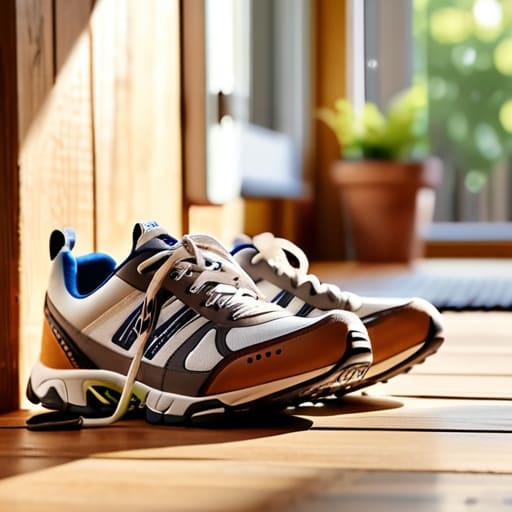
  • Don’t get caught up in the gear trap. You don’t need a $200 carbon-plated racing shoe or a GPS watch that tracks your blood oxygen levels just to jog around the block. Grab a decent pair of running-specific sneakers that don’t hurt your feet, and honestly, that’s 90% of the battle.
  • Use the “Run-Walk” method to keep your ego in check. Most people quit because they try to sprint for twenty minutes straight, burn out, and feel like failures. Instead, try running for two minutes and walking for one. It keeps your heart rate manageable and prevents that “I’m dying” feeling that kills motivation.
  • Treat your recovery like a system requirement. If you run hard on Monday and feel like a zombie on Tuesday, you’ve failed the optimization test. Your body needs downtime to rebuild. Schedule rest days as strictly as you schedule your work meetings; they aren’t “lazy days,” they’re part of the training.
  • Audit your environment before you head out. If you have to hunt for your socks, find your headphones, and charge your watch every single time, you’re creating unnecessary friction. Set your clothes out the night before. Reduce the number of decisions you have to make between your brain saying “go” and your feet hitting the pavement.
  • Stop tracking everything and just listen to your body. Apps and data are great for optimization, but they can also become a source of digital fatigue. If the data says you should be faster but your knees are aching, listen to the knees. The goal is a sustainable habit, not a perfect spreadsheet.

Just Get Out the Door

Look, we’ve covered a lot of ground, but if you walk away with nothing else, remember this: running isn’t about hitting a specific pace or following a rigid, soul-crushing training plan. It’s about the systems you put in place to make showing up inevitable. We talked about stripping away the complexity, focusing on actual cardiovascular gains rather than the aesthetic hype, and building a schedule that works for your life—not against it. Don’t get bogged down in the gear or the data points. The goal is to build a sustainable habit that integrates into your day without causing a total mental breakdown. Just focus on consistent, low-friction movement.

At the end of the day, my engineering brain wants everything to be optimized, but running is one of the few things that actually requires you to unplug from that mindset. You don’t need to be a marathoner to justify the effort; you just need to be someone who decided to move. Stop waiting for the “perfect” morning or the right pair of shoes to arrive in the mail. Your system is ready when you are. Grab your gear, leave the phone in your pocket if you can, and just start moving.

Frequently Asked Questions

What kind of shoes do I actually need so I don't wreck my knees?

Look, don’t fall for the marketing trap of buying $200 “super shoes” just because an influencer told you to. Most of that is fluff. What you actually need is a pair that matches your gait—whether you overpronate or stay neutral. Go to a local running shop, let them watch you move, and find something with decent cushioning that feels natural. If it feels weird in the store, it’ll feel like a crime after three miles.

How do I stop my lungs from burning after just five minutes?

The “burning lung” feeling is usually a sign that you’re redlining your engine before it’s even warmed up. You’re likely pushing your pace too hard, too early.

Should I be running every day, or is that a recipe for burnout?

Look, if you try to run every single day right out of the gate, you’re asking for an injury or a massive mental burnout. Your body needs downtime to actually rebuild. Think of it like a system: you can’t run a processor at 100% capacity indefinitely without it overheating. Start with three or four days a week. Build the habit first, then scale the frequency once your joints and your brain are actually ready for it.

How do I deal with the mental wall when I just want to quit mid-run?

That mental wall is usually just your brain trying to optimize for comfort. When that “I want to quit” voice gets loud, stop focusing on the distance left. Switch to a micro-goal: just make it to the next lamp post, or the next tree. I call it “chunking.” It lowers the cognitive load. If it’s still brutal, walk for sixty seconds, reset, and try again. Don’t fight the feeling; just shrink the task.


Creating a Self-care Routine That Actually Works for You

I’m so sick of seeing “self-care” sold as a $50 candle, a three-step skincare ritual, or a weekend at a luxury spa that costs more than my monthly rent. It’s become this performative, aesthetic nightmare that actually adds more noise to an already loud life. If you’re scrolling through social media feeling like you’re failing because you don’t have a curated morning ritual, you’re being lied to. Real self-care isn’t about adding more tasks to your to-do list; it’s about figuring out how to build a self care routine that actually protects your bandwidth instead of draining it.

I’m not here to give you a list of expensive habits that look good on a Pinterest board. My goal is to treat your mental energy like a system that needs optimizing, not a problem that needs a luxury fix. I’m going to show you how to strip away the fluff and build a few low-friction habits that actually stick when life gets chaotic. We aren’t aiming for a perfect, Instagrammable lifestyle here; we’re just building systems that work so you can stop feeling like you’re constantly running on empty.

Table of Contents

Ditch the Perfectionism for Practical Mental Health Wellness Practices

Ditch the Perfectionism for Practical Mental Health Wellness Practices.

Look, I see these “aesthetic” morning routines on TikTok all the time—the 5:00 AM wake-ups, the perfectly curated matcha bowls, the thirty minutes of silent meditation before the sun is even up. It looks great on a grid, but for most of us, it’s just another item on an impossible to-do list. If your attempt at self-care feels like a chore, you’re doing it wrong. We need to stop treating wellness like a high-stakes performance and start treating it like a system for survival.

Instead of chasing an idealized version of health, focus on small, repeatable stress management techniques that actually fit into your existing chaos. Maybe that’s just five minutes of sitting on your balcony without checking your phone, or a quick brain dump in your notebook before bed to clear the mental clutter. These aren’t fancy mental health wellness practices designed for an audience; they are low-friction tools meant to keep your head above water.

The goal isn’t to achieve some state of permanent Zen. It’s about building a toolkit of emotional well-being strategies that you can actually use when you’re exhausted or overwhelmed. If a routine is too complex to maintain on your worst day, it’s not a system—it’s a burden. Keep it simple, keep it modular, and most importantly, make it work for you, not against you.

Low Friction Morning Self Care Rituals That Actually Stick

Low Friction Morning Self Care Rituals That Actually Stick

The biggest mistake I see people make is trying to turn their morning into a three-hour marathon of yoga and journaling. If your routine requires that much willpower, you’re going to fail by Wednesday. I’m a systems guy, so I look for the path of least resistance. Instead of a massive overhaul, focus on low-friction habits that take less than five minutes. This might mean just sitting with your coffee without scrolling through emails, or doing two minutes of focused breathing before you even leave your bed.

The goal here isn’t to achieve enlightenment; it’s about reducing decision fatigue before your workday even starts. When you incorporate small morning self care rituals—like making your bed or writing down your top three priorities in your notebook—you’re essentially pre-loading your brain for the day. These tiny wins act as a buffer against the inevitable chaos of a corporate inbox. By keeping the barrier to entry incredibly low, you stop treating self-care like a chore and start treating it like a baseline system that actually supports your emotional well-being strategies without draining your battery.

The Low-Friction Toolkit: 5 Ways to Keep Your System Running

  • Audit your energy, not just your time. I used to try and do deep work or heavy workouts when I was already running on empty, and it backfired every single time. If you’re feeling fried, your “self-care” should be a low-energy task, like listening to a podcast, not a high-stakes gym session.
  • Use “habit stacking” to bypass decision fatigue. Don’t try to invent a new routine from scratch. Instead, anchor a new habit to something you already do without thinking. If you always make coffee in the morning, use those three minutes of brewing time to sit in silence or write one line in your notebook. It’s about piggybacking on existing systems.
  • Set “Digital Sunset” boundaries. My biggest productivity killer used to be the endless scroll right before bed. I started setting a hard cutoff where my phone goes into a drawer—not just on silent, but physically out of sight. If it’s not in your hand, you aren’t tempted to check that one last notification.
  • Build in “Buffer Zones” between tasks. We treat our calendars like a Tetris game, slamming meetings and chores back-to-back. That’s a recipe for burnout. Give yourself five to ten minutes of nothingness between big transitions. It’s the mental equivalent of letting a machine cool down so it doesn’t overheat.
  • Keep your “Emergency Protocol” ready. Some days, the full routine is just too much. On those days, have a “minimum viable version” of your self-care. Maybe it’s just drinking a glass of water and taking three deep breaths. It’s better to do the 1% version than to abandon the system entirely because you couldn’t do the 100% version.

Systems Over Perfection

Look, we’ve covered a lot of ground here. We talked about why you need to stop chasing that Instagram-perfect aesthetic and instead focus on low-friction habits that actually fit into your real, messy life. We looked at how to bridge the gap between your morning chaos and a sustainable evening wind-down. The core takeaway is simple: your self-care routine shouldn’t feel like another item on an endless to-do list that you’re constantly failing to complete. It’s about building small, repeatable systems—whether that’s a five-minute brain dump in your notebook or a strict digital sunset—that protect your mental bandwidth before you hit a wall.

At the end of the day, I don’t care if you manage to meditate for an hour or if you just manage to drink one glass of water and put your phone in another room. The goal isn’t to become a productivity monk; it’s to stop the constant friction between your tools and your well-being. Life is going to throw curveballs, and some days your “routine” is just going to be surviving. That’s fine. Just keep iterating, keep tweaking the system, and remember that consistency beats intensity every single time. You’re not trying to fix yourself; you’re just trying to build a life that actually works for you.

Frequently Asked Questions

What do I do when my schedule is so chaotic that I can't even find ten minutes for a ritual?

When the schedule turns into a dumpster fire, stop trying to find “time.” You won’t find it. Instead, use “micro-interstitials.” These are the tiny, dead gaps between meetings or while your coffee brews. If you have sixty seconds, do a single box breath or write one thing in your notebook to clear your head. Don’t aim for a ritual; aim for a reset. Even a thirty-second tactical pause is better than running on empty.

How do I know if my self-care habits are actually helping or if I'm just adding more "to-dos" to my list?

If your “self-care” feels like another item on a mounting to-do list, it’s not self-care—it’s just more unpaid labor. I look for one thing: friction. If a habit feels like a chore you’re dreading, it’s failing. Real systems should lower your mental load, not increase it. Ask yourself: “Do I feel lighter after this, or just more exhausted by the effort of doing it?” If it’s the latter, scrap it.

Is it possible to have a self-care routine that doesn't cost a bunch of money on apps and wellness products?

Honestly? It’s not just possible; it’s actually better. Most of those “wellness” apps and $50 candles are just more digital noise and consumerism disguised as self-care. I’ve learned that the most effective systems I use are free. A ten-minute walk without a podcast, a quick brain dump in my notebook, or just sitting in silence—these things cost zero dollars and zero subscription fees. Stop paying for tools to do what your brain already knows how to do.

How do I stop feeling guilty about taking time for myself when my workload is piling up?

Look, I get it. When my inbox is exploding, taking twenty minutes to just exist feels like I’m failing. But here’s the systems engineering truth: you aren’t a machine; you’re a biological system. If you run a processor at 100% capacity indefinitely, it crashes. Taking time for yourself isn’t “slacking”—it’s preventative maintenance. If you don’t schedule the downtime, your body will eventually schedule a burnout for you. And that’s way more expensive.

How to Quiet a Racing Mind Before Hitting the Pillow

It’s 2:00 AM, and I’m sitting at my desk, the only light coming from the RGB glow of my mechanical keyboard, staring at a wall of unclosed browser tabs in my brain. My heart is doing that weird, jittery thing, and my mind is sprinting through every mistake I made in my last sprint meeting like it’s a high-stakes Olympic event. Most “wellness” influencers would tell you to light a $40 candle or spend an hour on a guided meditation app to figure out how to calm a racing mind, but let’s be real: when your internal processor is redlining, a scented candle isn’t going to fix the system failure.

I’m not here to sell you on some expensive, mystical ritual that requires you to clear your schedule for a week. I’m an operations guy; I look for ways to patch the leaks and optimize the workflow. In this post, I’m sharing the low-friction systems I actually use to shut down the mental noise when things get overwhelming. We aren’t aiming for some Zen-like state of permanent bliss—we’re just building a few practical protocols to help you reclaim your focus and get your head back in the game.

Table of Contents

Simple Grounding Exercises for Anxiety That Actually Work

Simple Grounding Exercises for Anxiety That Actually Work

When my brain starts spinning at 2:00 AM, I don’t reach for a complex manual on mindfulness meditation for beginners. Honestly, that feels like too much work when you’re already spiraling. Instead, I lean on sensory inputs to force my nervous system back into the present. One of my go-to grounding exercises for anxiety is the 5-4-3-2-1 method. It’s basically a manual override for your senses: find five things you can see, four you can touch, three you can hear, two you can smell, and one you can taste. It sounds basic, but it works because it forces your brain to switch tracks from internal chaos to external reality.

If you’re in a meeting or a public space and can’t exactly start naming objects out loud, try the “temperature shock” trick. I keep a heavy, cold water bottle at my desk for this exact reason. When the intrusive thoughts start getting loud, I press the cold metal against my wrists or the back of my neck. That sudden physiological shift acts as a circuit breaker for stress, pulling your focus away from the mental loop and back into your body. It’s not a permanent fix, but it’s a way to stop the bleed so you can actually think clearly again.

Using Mindfulness Meditation for Beginners to Quiet the Noise

Using Mindfulness Meditation for Beginners to Quiet the Noise

Here’s the thing: most people think mindfulness means sitting on a silk cushion for forty minutes in total silence. If that’s your expectation, you’re going to fail, and then you’re going to feel even more stressed about failing. I’ve been there. My brain usually feels like twenty browser tabs are open at once, all playing different videos. For me, mindfulness meditation for beginners isn’t about stopping the thoughts; it’s about changing your relationship with them. Instead of trying to force the noise to stop, you’re just observing it like background static on a radio.

To make this actually work in a real-world schedule, I treat it like a system calibration. Start small—even just three minutes while your coffee brews. Don’t aim for “zen”; just focus on the physical sensation of your breath hitting the back of your throat. When your brain inevitably drifts toward that email you forgot to send or a weird thing you said in 2019, don’t beat yourself up. Just notice it, label it as a “thought,” and gently bring your focus back. It’s one of the most effective stress reduction strategies I’ve found because it trains your brain to recognize when it’s spiraling before you hit the point of no return.

Systems Over Silence: 5 Ways to Manage the Mental Noise

  • Do a physical brain dump. When my head feels like it has 50 tabs open, I grab my pocket notebook and just write everything down. Don’t worry about grammar or making sense; just get the data out of your skull and onto paper so your brain stops trying to “save” it.
  • Curate your digital environment. If your phone is a constant stream of notifications and doomscrolling, your mind will never settle. Set your “Do Not Disturb” to trigger automatically at a certain time, and ruthlessly unfollow any accounts that make you feel like you’re falling behind.
  • Use the “Single-Tasking” rule. Multitasking is a lie that just creates cognitive friction. When you’re feeling overwhelmed, pick one—just one—small, low-stakes task, like washing a single dish or responding to one email, and do it with zero distractions.
  • Optimize your physical workspace. A cluttered desk often leads to a cluttered mind. You don’t need a minimalist aesthetic, but clearing the physical “noise” around your laptop can help lower your baseline stress levels when you’re trying to focus.
  • Schedule “Non-Negotiable” downtime. We tend to treat rest like a reward for finishing work, but that’s a broken system. I treat my downtime like a hard deadline in my calendar. If it’s scheduled, it actually happens, and it gives your brain permission to finally power down.

The Bottom Line

Look, I’m not going to tell you that these tools will magically delete stress from your life forever. That’s not how systems work. Whether you’re using grounding exercises to snap out of a spiral or sitting through a few minutes of meditation to lower the baseline noise, the goal is the same: interrupting the loop. We’ve talked about grounding, mindfulness, and finding those small anchors when your brain feels like it has too many tabs open. You don’t need to master every single technique we discussed; you just need to find the one or two that actually stop the momentum of your racing thoughts when things get heavy.

At the end of the day, don’t let the pursuit of “perfect mental clarity” become another source of burnout. If you try a breathing exercise and your mind still wanders, that’s okay. You aren’t a broken machine; you’re a person navigating a chaotic world. Optimization isn’t about reaching a state of permanent Zen; it’s about building a toolkit that helps you recover a little faster each time you hit a wall. Grab your notebook, pick one thing to try tomorrow, and just start building your system.

Frequently Asked Questions

What do I do when these grounding exercises aren't enough to stop a full-blown spiral?

When the grounding exercises fail and you’re mid-spiral, stop trying to “think” your way out of it. Your brain is offline. Instead, shift to a high-intensity sensory reset. I call it a system override. Splash ice-cold water on your face or hold an ice cube until it hurts. It forces your nervous system to pivot from the mental loop back to your physical body. It’s not pretty, but it breaks the circuit.

Is there a way to manage racing thoughts specifically while I'm stuck at my desk or in a meeting?

When you’re stuck in a meeting or staring at a spreadsheet, you can’t exactly start deep breathing exercises without looking weird. Instead, try “micro-grounding.” Press your feet firmly into the floor or grip the underside of your desk—feel the texture, the temperature, the resistance. It’s a silent way to pull your brain out of a spiral and back into your body without anyone noticing. It’s low-key, effective, and requires zero extra gear.

How do I stop feeling guilty about "wasting time" when I actually need to sit down and do nothing for my mental health?

Stop treating rest like a failure. I used to do this constantly—staring at my to-do list while “relaxing,” feeling like I was losing ground. But here’s the systems engineering truth: you can’t run a processor at 100% indefinitely without it overheating. Think of downtime not as “wasted time,” but as essential maintenance. If you don’t schedule the downtime, your body will eventually schedule a burnout for you. Reframe it: resting is a tactical requirement.

Can I use any digital tools or apps to help, or does that just add more noise to the problem?

Honestly, it’s a double-edged sword. If you’re downloading every “calm” app on the App Store, you’re just adding more notifications to the fire. That’s digital clutter, not a solution. But, if you use tools strategically—like a simple white noise generator or a focused breathing timer—they can actually act as a scaffold for your brain. Use tech to automate the quiet, not to distract you from it. Keep it lean.

Stress-free Meal Prepping for the Week Ahead

I spent most of my early twenties living on lukewarm takeout and sheer willpower, thinking that “being busy” was a valid excuse for a chaotic diet. But after watching my parents hit a wall of total burnout, I realized that my nutrition wasn’t just a health issue—it was a systems failure. When you’re staring at a fridge full of random ingredients at 7:00 PM, you don’t need a culinary degree; you need easy meal prep ideas that don’t require a PhD in time management. Most people fail at prepping because they try to turn their Sunday into a high-stakes cooking competition, and honestly, that’s just a recipe for immediate burnout.

I’m not here to tell you to spend six hours portioning out kale salads into identical plastic containers. That’s not sustainable, and it’s definitely not how I operate. Instead, I’ve distilled my approach into eight specific, low-friction strategies designed to reclaim your mental bandwidth. We’re going to focus on modular components and smart shortcuts that actually fit into a real, messy schedule. By the end of this, you’ll have a toolkit of systems that make eating well feel like a background process rather than a full-time job.

Table of Contents

The Component Method

Meal prepping using The Component Method.

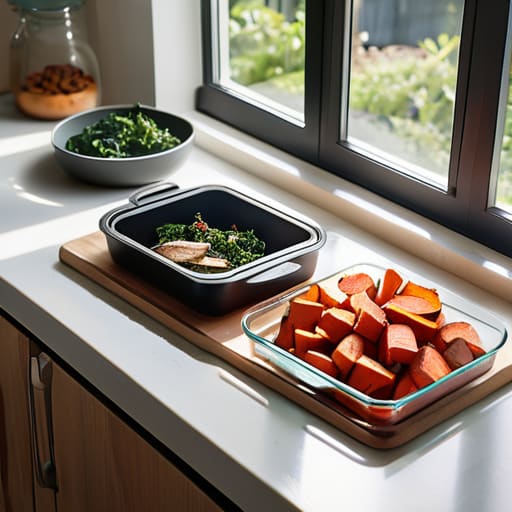
Stop trying to cook entire, complex recipes on a Sunday night. That’s how you end up with a fridge full of mushy leftovers that you eventually throw away in disgust. Instead, I treat my kitchen like a modular assembly line. I cook large batches of individual components: a big tray of roasted sweet potatoes, a pot of quinoa, and some grilled chicken or tofu.

Master the Sheet Pan Strategy

Master the Sheet Pan Strategy for cooking.

If you’re like me and you hate cleaning up a mountain of pots and pans after a long shift, the sheet pan method is your best friend. It’s the ultimate low-friction system. You just chop up some protein and vegetables, toss them in olive oil and spices, and slide the whole thing into the oven.

Double Your Dinner

This is the simplest optimization trick in the book, and yet so many people overlook it. Whenever you are already standing at the stove making a decision—say, a batch of chili or a pasta bake—just make twice as much as you need. It takes almost no extra time to open a second can of beans or boil an extra cup of water.

The Breakfast Shake Hack

Mornings are usually when my mental bandwidth is at its lowest, and the last thing I want to do is decide what to eat. I’ve found that a pre-portioned smoothie kit is a total game-changer. I take small reusable bags and throw in my frozen fruit, a handful of spinach, and maybe some chia seeds.

Batch-Cook Your Grains

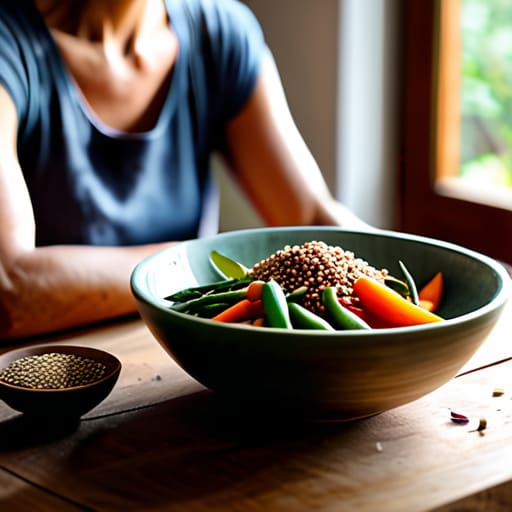
Grains are the unsung heroes of a functional pantry. Rice, quinoa, or farro can be cooked in massive quantities and they hold up incredibly well in the fridge. I usually spend about twenty minutes on a Sunday getting a huge pot of something going, which provides the structural foundation for almost all my weekday lunches.

Sauce is Your Secret Weapon

The biggest reason people fail at meal prepping is “palate fatigue.” You eat the same bland chicken and rice three days in a row and your brain starts to crave takeout. To fight this, you need to invest in variety through sauces. I keep a rotation of three or four different dressings or sauces in the fridge—think pesto, tahini, or a spicy sriracha mayo.

The "No-Cook" Prep

Some weeks, I just don’t have the mental energy to stand over a stove. That’s when I lean into the “no-cook” system. This involves buying high-quality, pre-made items that require zero thermal processing. I’m talking about rotisserie chickens, pre-washed salad greens, canned chickpeas, and smoked salmon.

Use Your Freezer as a Buffer

A freezer is essentially a time machine for your food. If you do find yourself with extra ingredients or a successful batch of something, don’t let it go to waste. Portion it out into individual, freezer-safe containers immediately.

Stop Overthinking the Process

At the end of the day, meal prepping isn’t about becoming a gourmet chef or spending your entire Sunday staring at a steaming pot of quinoa. It’s about the small, scalable wins we talked about—whether that’s batch-cooking a single versatile protein, mastering the art of the “assembly line” salad, or just keeping a stash of frozen staples for those inevitable high-stress nights. The goal isn’t to follow a rigid, complex blueprint; it’s to build a buffer between you and decision fatigue. When you have these basic systems in place, you stop asking “what’s for dinner?” at 7:00 PM when you’re already running on empty.

I know how it feels to want to optimize everything, but don’t let the pursuit of the “perfect system” become another source of burnout. If you only manage to prep one thing this week, consider that a win. We aren’t aiming for a Pinterest-perfect pantry; we are just trying to reclaim our mental bandwidth so we can focus on the things that actually move the needle in our lives. Start small, keep it simple, and let the systems work for you, not against you. You’ve got this.

Frequently Asked Questions

How do I keep my food from tasting like cardboard by Thursday?

The “cardboard” effect usually happens because of moisture loss or over-processing. First, stop reheating everything to a boil; use a splash of water or broth to steam things back to life. Second, separate your textures. Don’t put your crunchy toppings or fresh greens in the container with the wet stuff. Keep them in small separate pods. Finally, invest in decent glass containers. They seal better and don’t hold onto that weird “fridge” smell.

Is it worth the initial time investment if I only prep for three days at a time?

Honestly? Yes. 100%. I used to think meal prepping meant spending my entire Sunday in a kitchen-induced trance, but that’s how you burn out. Prepping for just three days is way more sustainable. It keeps the food tasting fresh, prevents that “leftover fatigue,” and—most importantly—it actually fits into a busy schedule. Don’t aim for a full week of perfection; just aim for a system that stops you from ordering takeout on a Tuesday.

What are the best containers to use so my fridge doesn't look like a disorganized mess?

Look, if you want that “aesthetic” fridge you see on TikTok, stop buying mismatched plastic tubs from the grocery store. They’re a nightmare for organization.

How do I avoid the "decision fatigue" of eating the same thing every single day?

The trick isn’t about variety; it’s about modularity. I stopped trying to cook “meals” and started prepping “components.” Think of it like building a mechanical keyboard—you don’t build the whole thing at once; you assemble parts. Prep a batch of grains, two proteins, and three different sauces. By swapping the components, you get a completely different flavor profile without the mental load of a new recipe every night. Build the system, not the menu.

Wellness Habits for People With Busy Schedules

I remember sitting at my desk last Tuesday, staring at a lukewarm cup of black coffee and a mountain of spreadsheets, feeling that familiar, crushing weight in my chest. My phone was pinging with notifications, my brain felt like a browser with fifty tabs open, and the “wellness” influencers on my feed were telling me I just needed a $15 green juice and a 5:00 AM meditation session to fix it. It’s total nonsense. Most advice about healthy habits for a busy schedule is designed for people who have nothing but time, not for those of us actually trying to build a career and a life simultaneously. We don’t need more complex rituals; we need systems that actually work when we’re exhausted.

I’m not here to sell you on a lifestyle overhaul that requires a complete personality transplant. Instead, I want to share the low-friction, practical tactics I’ve used to keep my head above water without burning out. We’re going to strip away the fluff and focus on minimalist adjustments—the kind of small, repeatable wins that fit into the cracks of a chaotic day. My goal is simple: to help you reclaim your mental bandwidth through realistic, no-nonsense systems that actually stick.

Table of Contents

Time Efficient Meal Prepping Without the Kitchen Chaos

Time Efficient Meal Prepping Without the Kitchen Chaos

Look, I get it. The idea of spending your entire Sunday afternoon hovering over a stove, surrounded by Tupperware and a mountain of dishes, feels less like “wellness” and more like a second job. My engineering brain hates inefficiency, but I also know that if a system is too high-maintenance, you’re going to abandon it by Tuesday. That’s why I’ve moved away from the “all-or-nothing” meal prep model and shifted toward time-efficient meal prepping that actually scales with a real life.

Instead of cooking five different complex recipes, I focus on component prepping. I’ll roast two trays of veggies, boil a big batch of grains, and prep one solid protein source. This isn’t about being a gourmet chef; it’s about building a modular system. When Wednesday rolls around and my brain is fried from back-to-back meetings, I don’t have to “decide” what to eat. I just grab a base, add a component, and I’m done.

I also swear by habit stacking for wellness when it comes to nutrition. I’ll pair my evening wind-down routine with a quick assembly of my lunch for the next day. It takes five minutes, but it removes that morning decision fatigue that usually leads to me grabbing a mediocre takeout sandwich.

Nutritious Snacks for Work That Actually Fuel You

Nutritious Snacks for Work That Actually Fuel You

We’ve all been there: it’s 3:00 PM, your focus is tanking, and suddenly that vending machine bag of chips looks like a gourmet meal. The problem isn’t your willpower; it’s your system. When you’re running on empty, your brain defaults to the easiest hit of dopamine, which usually leads to a massive sugar crash an hour later. Instead of fighting that urge, I’ve found success by treating nutritious snacks for work as a tactical resource rather than an afterthought.

The trick is to stop relying on “willpower” and start relying on pre-staged convenience. I keep a stash of almonds, Greek yogurt, or even simple protein bars in my desk drawer so I’m never more than thirty seconds away from a real fuel source. If I have to walk to a breakroom to find something, I’ve already lost the battle.

I also like to use a bit of habit stacking for wellness here. For me, that means pairing a quick snack with a five-minute stretch or a quick glance away from my monitor. It’s not about a massive lifestyle overhaul; it’s just about making sure the fuel you’re putting in your body actually supports the work you’re trying to do.

Low-Friction Habits That Won't Crash Your System

  • Stop aiming for the “perfect” workout. If you can’t hit the gym for an hour, do ten minutes of bodyweight movements in your living room. The goal is to keep the streak alive, not to burn yourself out by trying to schedule an Olympic training session on a Tuesday afternoon.
  • Use “habit stacking” to stop relying on willpower. Don’t just “try to remember” to drink more water; tie it to something you already do, like drinking a full glass every time you refill your coffee or finish a meeting. It turns a conscious decision into a background process.
  • Audit your digital noise before it audits you. I spent way too long letting notifications dictate my focus. Turn off everything that isn’t a direct message from a human being. If it’s an app trying to sell you something or a social media ping, it doesn’t deserve your mental bandwidth.
  • Set a “hard stop” for your workday. When you work remotely or in high-pressure roles, the lines get blurry and you end up in a state of perpetual low-grade stress. Pick a time, close the laptop, and physically move to a different space. Your brain needs a clear signal that the “work” process has terminated.
  • Prep your environment the night before. I’m a big believer in reducing decision fatigue. Lay out your gym clothes, pack your bag, or even just clear your desk before you go to bed. You want to eliminate as many small, annoying choices as possible when you’re operating on low morning energy.

The Bottom Line

Look, we’ve covered a lot of ground here, from streamlining your kitchen routine to picking snacks that won’t leave you crashing at your desk by 3 PM. The goal isn’t to turn your life into a rigid, high-performance laboratory where every calorie and minute is tracked. It’s really just about reducing the friction between your intentions and your actions. Whether it’s simplifying your meal prep or just having a few reliable fuel sources on hand, these small tweaks are meant to serve you, not the other way around. If you try to implement everything at once, you’ll burn out by Tuesday. Just pick one or two systems that feel manageable and start there.

At the end of the day, your health shouldn’t feel like another exhausting task on your to-do list. I spent years watching my parents struggle to balance everything, and if there’s one thing I’ve learned through my own obsession with optimization, it’s that consistency beats intensity every single time. You don’t need a total life overhaul to see a difference; you just need a few reliable habits that actually fit into the messy reality of your schedule. Stop waiting for the “perfect” time to get healthy and just build systems that work for the life you’re actually living right now.

Frequently Asked Questions

What do I do when my schedule completely falls apart and I can't stick to my planned habits for a day?

Look, I’ve been there. My entire system crashes when a deadline moves or a flight gets delayed. When the schedule breaks, stop trying to force the old plan. That’s just setting yourself up for more burnout. Instead, pivot to “Minimum Viable Habits.” If you can’t do a 30-minute workout, do ten pushups. If you can’t meal prep, grab a salad. Just keep the momentum alive with the smallest possible version of your routine.

How much time should I actually be spending on "wellness" without it becoming another overwhelming task on my to-do list?

Look, if your “wellness routine” feels like a second job, you’re doing it wrong. I used to spend hours trying to optimize every minute, and it just led to more burnout. Realistically? Aim for 15 to 30 minutes of intentionality a day. That’s it. Whether it’s a quick walk or just sitting without a screen, keep it low-friction. If it’s not easy enough to do on your worst day, it’s not a system; it’s just more noise.

Are there any low-effort ways to stay active if I'm stuck at a desk for ten hours a day?

Look, I get it. When you’re deep in a spreadsheet or a coding sprint, the last thing you want to do is a HIIT workout. But sitting for ten hours is a slow drain on your focus. Don’t aim for a gym session; aim for “movement snacks.” Set a timer for every hour to just stand up and stretch for sixty seconds, or take every call standing up. It’s not about intensity—it’s about breaking the stillness.

How can I stop the "all or nothing" mindset when I miss a single healthy habit?

Look, I get it. I’ve been there—one missed workout or one late-night pizza run, and suddenly the whole “system” feels broken. But here’s the thing: perfection is the enemy of progress. If a single gear slips in a machine, you don’t scrap the whole engine; you just recalibrate. Stop treating your habits like a glass vase that shatters. Treat them like a running tally. One bad data point doesn’t ruin the trend. Just reset.

Ways to Cut Back on Screen Time and Clear Your Head

I was sitting at my desk last Tuesday, mid-way through a deep-work session, when I realized I’d spent the last forty minutes scrolling through mindless tech threads instead of actually finishing my sprint report. My eyes felt gritty, my neck was tight, and that familiar, hollow sense of digital fatigue had set in. It’s that frustrating loop where you know you need to disconnect, but the device in your hand feels like an extra limb you can’t quite shake. Most people will tell you that learning how to lower screen time requires a complete digital detox or some expensive, high-tech “minimalist” phone, but honestly? That’s just more noise.

I’m not here to sell you on a lifestyle overhaul that leaves you feeling isolated and disconnected from the world. Instead, I want to share the low-friction systems I’ve built to reclaim my focus without making my life feel like it’s stuck in 1995. We’re going to skip the guilt-tripping and the complex “wellness protocols” and focus on practical, engineering-minded tweaks that actually stick. My goal is to help you build a relationship with your tech that serves you, rather than one where you’re constantly fighting an uphill battle against your own notifications.

Table of Contents

Spotting the Smartphone Addiction Symptoms Early

Spotting the Smartphone Addiction Symptoms Early.

Before we can build a better system, we have to be honest about where the leaks are. I used to think I was just “staying connected,” but looking back through my data, I realized I was actually just reacting to every ping and buzz. One of the biggest red flags for smartphone addiction symptoms isn’t just the total hours logged; it’s that phantom vibration feeling or the immediate, reflexive reach for your phone the second you hit a moment of boredom. If you find yourself scrolling through mindless feeds while waiting for a coffee or sitting in an elevator just to avoid a moment of silence, your brain is likely seeking a cheap dopamine hit to escape the present.

Another subtle sign is how your tech affects your physical state. I noticed a huge shift in my own energy when I realized the blue light impact on sleep was making my rest feel shallow and unrefreshing. If you’re waking up feeling groggy despite eight hours of shut-eye, or if you feel a sense of low-level anxiety when your battery hits 10%, your relationship with your device has moved from tool to master. Recognizing these patterns isn’t about shaming yourself; it’s about gathering the data we need to start building better digital wellbeing habits.

Setting Screen Time Limits That Actually Stick

Setting Screen Time Limits That Actually Stick

Most people try to fix their relationship with their phone by setting a hard limit of “two hours a day” and then immediately failing by lunchtime. That’s a recipe for burnout. If you treat your phone like a strict diet, you’re just going to end up binge-scrolling at midnight out of pure frustration. Instead, I’ve found that setting screen time limits works way better when you focus on friction rather than just willpower. If you want to stop the mindless loops, make it harder to access the junk. Move your most addictive apps off your home screen and hide them in a folder on the last page of your phone. If you have to work to find Instagram, you’ll stop opening it reflexively.

Another thing that’s changed the game for me is creating “no-go zones” for my devices. I don’t just set a timer; I set physical boundaries. For instance, my phone doesn’t enter my bedroom after 10 PM. This isn’t just about discipline; it’s about mitigating the blue light impact on sleep so my brain actually has a chance to wind down. When you stop treating your phone as a constant companion and start treating it as a tool you pick up only when needed, you start to see the real benefits of unplugging. It’s about building systems, not just making rules.

Low-Effort Systems to Protect Your Brain

  • Kill the red dots. Go into your settings and turn off every single non-human notification. If it’s not a text or a call from a real person, you don’t need a buzz in your pocket telling you about a sale or a “liked” photo.
  • Move your “doomscrolling” apps off the home screen. Hide Instagram, TikTok, or whatever your vice is inside a folder on your second or third page. If you have to actually search for the app, you break the muscle memory that leads to mindless tapping.
  • Designate “Analog Zones.” Pick one area of your life—maybe your dining table or your bed—where the phone is strictly forbidden. I started doing this with my desk; no phone allowed while I’m working or reading, and it’s been a game changer for my focus.
  • Use grayscale mode when you’re feeling the itch. It sounds weird, but turning your screen to black and white makes everything look way less dopamine-inducing. It turns a vibrant, addictive slot machine back into a boring tool.
  • Buy a physical alarm clock. This is a big one. If your phone is the last thing you touch at night and the first thing you grab in the morning, you’ve already lost the day. Get the phone out of the bedroom so you can actually wake up on your own terms.

The System is Yours to Control

Look, we’ve covered a lot of ground here—from identifying those subtle signs of digital burnout to setting boundaries that don’t feel like a punishment. The reality is that you aren’t going to delete every app and go off the grid, and you shouldn’t try to. The goal isn’t to live in a digital vacuum; it’s to move from being reactive to your notifications to being intentional with your attention. Whether it’s using grayscale mode to make your screen less dopamine-heavy or physically putting your phone in another room during deep work, these small, engineered shifts are what actually move the needle. Just remember: systems beat willpower every single time.

At the end of the day, your attention is the most valuable resource you own. Every minute you spend mindlessly scrolling through a feed designed to keep you hooked is a minute stolen from your real life, your career, or just your own peace of mind. Don’t aim for a perfect, zero-screen lifestyle; that’s a recipe for failure. Instead, aim for systems that work for you, not against you. Grab your notebook, pick one small boundary to implement tonight, and start reclaiming your headspace. You’ve got better things to do with your life than watch it happen through a five-inch piece of glass.

Frequently Asked Questions

What do I do when I hit my limit but actually need my phone for work or logistics?

This is where most people fail because they treat screen time limits like a hard wall instead of a filter. If you’re hitting a limit but need to coordinate a ride or check a Slack message, don’t just fight the lockout. Instead, audit your “must-haves” versus “mindless-scrolls.” I use Focus Modes to whitelist specific work apps while nuking everything else. If it’s for logistics, it’s a tool; if it’s for dopamine, it’s a distraction. Separate them.

How can I stop the "doomscrolling" reflex when I'm just bored or stressed?

The “doomscroll” is usually just a nervous system glitch—your brain seeking a cheap dopamine hit because it’s bored or overwhelmed. To break the reflex, you need a physical circuit breaker. I keep a notebook on my desk for this exact reason. When that itch hits, grab the pen instead of the phone. Write down one thing you’re actually feeling or one task you need to do. It forces your brain back into the physical world.

Are there specific apps that actually help, or will they just become another distraction?

Honestly, it’s a double-edged sword. Most “wellness” apps are just more notifications fighting for your attention, which is counterproductive. I usually skip the fancy ones. Instead, I stick to the built-in tools like iOS Screen Time or Android’s Digital Wellbeing—they’re already there, they’re lightweight, and they don’t require a subscription. If you need something more aggressive, try a “dumb phone” launcher to strip your UI down to the bare essentials. Keep it simple.

How do I handle the FOMO (fear of missing out) when I see everyone else is constantly online?

Look, I get it. Seeing everyone’s highlight reels makes you feel like you’re falling behind. But here’s the reality: most of that “constant connection” is just noise. I handle it by shifting my mindset from missing out to tuning in. When the FOMO hits, I grab my physical notebook and write down what I’m actually doing in that moment. It grounds me. You aren’t missing a party; you’re gaining your own life back.

Learning to Eat Mindfully for Better Digestion and Mood

I was staring at my laptop screen at 8:00 PM, mindlessly shoveling cold leftovers into my mouth while scrolling through Slack, when I realized I couldn’t even tell you what I’d just eaten. It wasn’t even a meal; it was just fueling a machine that was already overheating. We’ve been sold this idea that mindful eating requires expensive organic meal kits, silent meditation rooms, or some complex spiritual awakening. Honestly? That’s just more noise. Most of the advice out there is way too precious and high-maintenance, making a simple biological necessity feel like another exhausting chore on your to-do list.

I’m not here to tell you to sit in silence for forty minutes before every snack. I’m a systems guy, and I want to help you build a way to eat that actually works with your life, not against it. In this post, I’m stripping away the wellness fluff to give you a few practical, low-friction habits to help you reconnect with your body. We aren’t aiming for some perfect, zen-like state; we’re just aiming for systems that stick so you can stop eating on autopilot and start reclaiming your energy.

Table of Contents

Decoding Your Internal Hunger and Fullness Cues

Decoding Your Internal Hunger and Fullness Cues

Most of us have completely lost touch with the actual signals our bodies are sending. We’ve replaced biological feedback with external triggers—we eat because it’s 12:00 PM, because we’re stressed, or because there’s a bag of chips sitting on the desk next to us. To fix this, you have to start paying attention to your hunger and fullness cues before you even pick up a fork. It sounds basic, but it’s actually a skill you have to rebuild. I started doing this by checking in with myself on a scale of 1 to 10 before a meal. If I’m at a 2 (starving), I’m probably going to inhale my food without even tasting it. If I’m at an 8, I’m just eating out of habit.

The goal isn’t to follow some rigid diet; it’s about developing better sensory awareness during meals. Instead of scrolling through your phone while you chew, try to actually notice the texture and the temperature of what’s in your mouth. When you stop treating food like fuel to be shoved down as quickly as possible, you start to realize that your brain actually needs a few minutes to register that you’re satisfied. If you can master this, you’ll stop that cycle of overeating just because your eyes saw food, rather than your body actually needing it.

Building Better Distraction Free Eating Habits

Building Better Distraction Free Eating Habits.

The biggest obstacle to actually listening to your body isn’t a lack of willpower; it’s your phone. I used to be the person scrolling through LinkedIn or catching up on Slack while inhaling a sandwich, completely oblivious to the fact that I’d even eaten until I felt heavy and sluggish. If you want to see real mindful eating benefits for digestion, you have to treat your mealtime like a “no-fly zone” for digital noise. Put the phone in another room. Close the laptop. Even if it’s just for fifteen minutes, creating distraction-free eating habits is the only way to stop your brain from being on autopilot while your stomach does all the work.

Instead of trying to overhaul your entire life overnight, I like to start with small, sensory-based wins. Try focusing on just one thing: the texture of your food or the specific spices you’re using. This kind of sensory awareness during meals pulls you out of that frantic, “always-on” headspace and grounds you in the present moment. It’s not about being a Zen monk; it’s about building a system where you actually inhabit your own body while you eat, rather than just treating fuel as a task to be completed.

5 Low-Friction Systems to Reclaim Your Relationship with Food

  • The “One-Device” Rule: If you’re eating, your phone stays face down or in another room. Scrolling through TikTok while inhaling a bowl of pasta isn’t eating; it’s just refueling while your brain is somewhere else.
  • Master the Mid-Meal Check-in: About halfway through your plate, put your fork down for sixty seconds. Just breathe and ask yourself, “Am I actually still hungry, or am I just eating because it’s there?” It breaks the autopilot loop.
  • Front-load Your Hydration: Drink a full glass of water before you even sit down to eat. It sounds basic, but it helps distinguish between actual hunger and that weird, dehydrated thirst that often masquerades as a snack craving.
  • Slow Down the Mechanics: We aren’t trying to win a slow-motion race, but try to actually chew. It sounds tedious, but it gives your gut time to send those “I’m good” signals to your brain before you’ve already overeaten by 300 calories.
  • Audit Your Environment: If you find yourself mindlessly snacking while working, move your food prep away from your desk. If your workspace is a minefield of crumbs and half-empty bags, you’ve already lost the battle against distraction.

The System is Yours to Refine

Look, I’m not telling you to turn every single meal into a meditative ritual or a spiritual experience. That’s not realistic for anyone living a high-speed life. The goal here is simply to stop operating on autopilot. By learning to actually listen to your body’s signals and carving out even just ten minutes of distraction-free time, you’re building a framework that prevents the inevitable burnout of mindless grazing. You don’t need a perfect diet; you just need a better relationship with the fuel you’re putting in your system.

At the end of the day, optimization isn’t about rigid control—it’s about reclaiming your agency. When you stop treating food like a task to be completed while scrolling through your phone, you start making choices that actually serve you. Don’t get discouraged if you slip up and end up inhaling a bag of chips in front of a laptop tomorrow. Just reset the system and try again at the next meal. We aren’t aiming for some flawless version of wellness; we’re just aiming for systems that actually work for the life you’re actually living.

Frequently Asked Questions

How do I tell the difference between actual hunger and just being bored or stressed?

Think of it like a system error. Real hunger is a slow, physical build—a hollow feeling in your stomach or a drop in energy. Boredom or stress? That’s usually a sudden, mental “ping.” It’s an urgent craving for a specific flavor, like salt or sugar, rather than a need for fuel. Before you grab a snack, do a quick brain dump in your notebook. Ask: “Am I hungry, or am I just looking for a distraction?”

Does mindful eating mean I have to give up my favorite comfort foods or cheat meals?

Look, let’s get one thing straight: this isn’t a restrictive diet. If I told you that you had to cut out pizza or chocolate to be “mindful,” I’d be doing you a disservice. The goal isn’t deprivation; it’s awareness. You don’t have to ditch the comfort foods; you just have to stop eating them on autopilot. When you actually sit with your favorite meal instead of inhaling it while scrolling, the “cheat” part disappears.

What do I do when I realize I've already overeaten halfway through a meal?

First, stop the mental spiral. That “I already ruined everything” thought is a productivity killer and a lie. If you realize you’re overfull mid-meal, just put the fork down. Seriously. You don’t have to finish the plate just because it’s there. Take a breath, grab my pocket notebook if you need to vent the guilt, and walk away. The goal isn’t a perfect streak; it’s just recalibrating before the next meal.

Is it even possible to practice this when I'm stuck in back-to-back meetings or eating on the go?

Look, I get it. I’ve spent countless lunches staring at a spreadsheet while inhaling a lukewarm salad. It’s not ideal, but “perfect” is the enemy of “better.” If you’re stuck in back-to-back meetings, try the 5-minute reset: even if you can’t do a full sit-down meal, put the phone face down and take five deep breaths before your first bite. It’s about micro-systems, not total lifestyle overhauls. Just reclaim a few minutes.

Satisfying Snacks That Actually Curb Hunger

I’m so sick of seeing “healthy snacks” marketed as these $14 artisanal, organic, vacuum-sealed pouches of dehydrated nonsense that taste like flavored cardboard. Honestly, it’s just another way to drain your bank account while adding unnecessary friction to your day. I grew up watching my parents stress over every single calorie and ingredient label, thinking they needed a degree in nutrition just to survive a Tuesday afternoon. But here’s the reality: most of those “wellness” snacks are just over-engineered distractions designed to make you feel like you’re optimizing your life when you’re actually just overspending.

I’m not here to give you a list of trendy superfoods that require a trip to a specialty boutique. Instead, I want to share the actual, low-friction systems I use to keep my energy stable without turning my kitchen into a laboratory. I’m going to show you how to build a reliable snack rotation that is fast, cheap, and—most importantly—actually works when you’re in the middle of a deep work session. We aren’t aiming for a perfect diet; we’re just building systems that stick.

Table of Contents

Ditch the Diet Trap for Whole Food Snack Alternatives

Ditch the Diet Trap for Whole Food Snack Alternatives.

Look, I spent way too much of my early twenties falling into the “diet food” trap. I’d grab those processed, “light” protein bars or zero-sugar crackers thinking I was being efficient, only to end up crashing an hour later because my body was basically running on air and chemicals. We need to stop treating snacks like a math equation of calories versus restriction. Instead, I’ve started looking at whole food snack alternatives as a way to actually fuel my brain for work, rather than just filling a void.

The system is simple: if it comes in a wrapper with a list of ingredients I can’t pronounce, it’s probably going to fail you when you’re stressed. I’ve found that shifting toward high protein snack ideas—like a handful of almonds, some Greek yogurt, or even hard-boiled eggs—keeps my blood sugar from spiking and crashing. It’s not about being perfect or counting every single macro; it’s about choosing things that actually sustain you. When you stop fighting your hunger with processed junk, you stop the cycle of mindless grazing and finally start feeling in control of your energy.

Low Calorie Snack Options That Wont Leave You Starving

Low Calorie Snack Options That Wont Leave You Starving

The biggest mistake I see people make with low calorie snack options is treating them like “punishment” food. If you grab a single rice cake or a handful of air-popped popcorn and call it a day, you’re basically setting yourself up for a blood sugar crash and a massive binge an hour later. To make this work, you have to stop thinking about calories in a vacuum and start thinking about satiety.

If you want to actually feel full, you need to pivot toward high protein snack ideas that hit your stomach and stay there. I’m talking about Greek yogurt with a few berries, a hard-boiled egg, or even some low-fat cottage cheese. These aren’t just random choices; they are tactical moves to keep your hunger hormones in check. When you pair a bit of protein with some fiber—like an apple with a small smear of almond butter—you create a system that stabilizes your energy instead of sending you on a rollercoaster. It’s about choosing foods that provide actual utility for your body, rather than just filling a temporary void.

My Low-Friction Framework for Better Snacking

  • Stop relying on willpower and start relying on prep. If I have to hunt through the pantry for something “healthy” when I’m already hungry, I’ve already lost. I keep pre-portioned bags of nuts or sliced cucumbers in the fridge so the friction to eat well is lower than the friction to grab junk.
  • Follow the protein + fiber rule. If you just grab a handful of crackers, your blood sugar is going to spike and crash, leaving you exhausted an hour later. Always pair a carb with a protein or a healthy fat—think apple slices with peanut butter or Greek yogurt with berries—to actually stay full.
  • Audit your “emergency” stash. We all have that one drawer filled with processed granola bars that are basically just candy bars in disguise. I did a sweep of my pantry last week and realized half my “healthy” snacks had more sugar than a soda. If it’s not real food, it shouldn’t be your go-to.
  • Drink a glass of water before you reach for the snack. Half the time I think I’m hungry, I’m actually just dehydrated and my brain is sending mixed signals. It’s a simple system check: water first, then decide if you actually need fuel.
  • Keep your portions visual, not mathematical. Don’t stress about tracking every single calorie in a snack; it’s exhausting and leads to burnout. Just use a small bowl or a specific container. If it fits in the bowl, it’s the snack. If you’re eating straight out of a family-sized bag, you’re not snacking, you’re just grazing without a system.

Systems Over Perfection

Look, we’ve covered a lot of ground here, from swapping out processed junk for actual whole foods to finding those low-calorie options that won’t leave you staring blankly at your laptop in a hunger-induced fog by 3:00 PM. The goal isn’t to turn your kitchen into a laboratory or follow a rigid, soul-crushing meal plan. It’s about building a repeatable system that removes the friction between you and a decent meal. Whether it’s keeping a bag of almonds in your desk drawer or having pre-cut veggies ready to go, the win comes from reducing decision fatigue before the hunger even hits.

At the end of the day, don’t let the pursuit of the “perfect” snack become another source of digital-age burnout. If you grab a bag of chips one afternoon, don’t spiral; just reset the system the next day. We aren’t aiming for a flawless diet; we’re just trying to build habits that support our actual lives instead of complicating them. Stop fighting your biology and start optimizing your environment so that the healthy choice becomes the easiest choice. You’ve got enough on your plate—literally and figuratively—so let’s make sure your fuel is working for you, not against you.

Frequently Asked Questions

How do I prep these snacks without spending my entire Sunday in the kitchen?

Look, I get it. The idea of “meal prepping” usually conjures up images of spending six hours in a kitchen surrounded by Tupperware. That’s a recipe for burnout. Instead, aim for “component prepping.” Don’t cook full meals; just prep the building blocks. Wash your berries, portion out your nuts, and chop your veggies in one 20-minute sprint. If the system takes more effort than the actual snacking, it’s a bad system. Keep it low-friction.

Is there a way to keep healthy options on hand when I'm stuck at my desk all day?

The “desk trap” is real. When you’re deep in a workflow, grabbing whatever is closest is the default. To fix this, stop relying on willpower and start building a system. Keep a “stash kit” in your drawer: think almonds, roasted chickpeas, or even high-quality protein bars. If it’s within arm’s reach, you’ll eat it. If you have to walk to the kitchen, you’ve already lost the battle to distraction.

How do I balance protein and carbs so I don't crash an hour after eating?

The secret isn’t about cutting carbs; it’s about pairing them with a “buffer.” If you eat a handful of crackers alone, your blood sugar spikes and then tanks, leaving you useless an hour later. I always aim for a 1:1 or 2:1 ratio of protein/fat to carbs. Think apple slices with peanut butter or Greek yogurt with a bit of granola. The protein and fat slow down digestion, smoothing out that energy curve.

What are some quick, zero-prep snacks for when I'm actually too busy to think about food?

Look, when I’m deep in a sprint or a deadline is looming, I don’t have the bandwidth for “meal prep.” I need zero-friction fuel. Keep a stash of almonds or walnuts in your desk—they’re pure brain fuel. Grab a Greek yogurt cup or some string cheese from the fridge; it’s instant protein with zero effort. Even a piece of fruit like an apple works. If it requires a recipe, it’s not happening. Just grab and go.

Start Your Day Right With This Simple Morning Routine

I’m so tired of seeing those “aesthetic” morning routines on my feed—you know the ones, where someone wakes up at 4:00 AM, drinks a $12 green juice, and meditates in a perfectly curated sunlit loft before their day even starts. It’s total nonsense. For most of us, trying to force a high-maintenance morning routine for wellness just feels like adding another demanding task to an already overflowing to-do list. I spent years thinking I needed a complex, multi-step ritual to feel “optimized,” but all I actually ended up with was more burnout and a sense of failure every time I hit snooze.

Here’s the deal: I’m not going to sell you on a lifestyle you can’t actually maintain. Instead, I want to share the low-friction, systems-based approach I use to keep my head above water. We’re going to strip away the performative fluff and focus on a few highly actionable habits that actually protect your mental bandwidth. My goal isn’t to help you achieve some unreachable version of perfection; it’s to help you build a functional system that makes your mornings feel a little less like a battle and a lot more like a head start.

Table of Contents

Leveraging Morning Sunlight Exposure to Reset Your Internal Clock

Leveraging Morning Sunlight Exposure to Reset Your Internal Clock

If you’re anything like me, your first instinct upon waking is to grab your phone and scroll through a barrage of notifications. It’s a reflex, but it’s a bad one. Instead of looking at a screen, I’ve started prioritizing morning sunlight exposure within the first twenty minutes of waking up. It sounds like some cliché wellness influencer advice, but there’s actually a hard science behind it. Getting natural light into your eyes triggers a cortisol spike that tells your brain the day has officially started, which is crucial for long-term circadian rhythm alignment.

I don’t mean sitting in a sunbeam through a window—that doesn’t really cut it. I’m talking about actually stepping outside, even if it’s just for five minutes on my balcony with a coffee in hand. This small shift has been one of my most effective stress reduction techniques because it anchors my internal clock. When you stabilize that biological timer, you aren’t just waking up easier; you’re setting the stage to actually fall asleep more naturally later that night. It’s a low-effort, high-leverage system that removes the guesswork from how you feel throughout the day.

Simple Morning Hydration Benefits to Wake Your Brain Up

Simple Morning Hydration Benefits to Wake Your Brain Up

Look, I’m not going to tell you that drinking a glass of lukewarm lemon water is going to magically solve your life. But after years of dragging myself to my desk feeling like a zombie, I realized that my brain fog wasn’t just a lack of caffeine—it was a lack of fuel. When you sleep, you aren’t just resting; you’re essentially running a marathon of cellular repair, and you wake up in a state of mild dehydration. Incorporating basic morning hydration benefits into your start isn’t about following some wellness influencer’s aesthetic; it’s about giving your brain the literal fluid it needs to function.

I started keeping a 32oz bottle right on my nightstand. The rule is simple: I don’t touch my phone until I’ve finished at least half of it. This small shift has become one of my most effective daily wellness rituals because it creates a physical buffer between sleep and the digital chaos of my inbox. Instead of hitting my system with a massive dose of cortisol and caffeine immediately, I use water to gently kickstart my metabolism. It’s a low-friction way to signal to your body that the day has actually begun, helping you reach a state of optimal morning productivity without the mid-morning crash.

Low-Friction Habits to Stop the Morning Chaos

  • Stop the doomscrolling reflex. I used to wake up and immediately check Slack or news feeds, which is basically inviting a dozen strangers into my brain before I’ve even brushed my teeth. Try leaving your phone in another room or using a physical alarm clock to buy yourself twenty minutes of mental silence.
  • Batch your “small wins” with a quick movement snack. You don’t need a grueling 60-minute HIIT session to feel human. Just five minutes of stretching or a quick walk around the block tells your nervous system that the day has actually started.
  • Use a “brain dump” to clear the cache. Before the day gets loud, grab that pocket notebook I’m always obsessing over and scribble down whatever is looping in your head—to-dos, anxieties, or random ideas. Getting it out of your skull and onto paper stops the mental background processes from draining your battery.
  • Implement a “single-task” breakfast. Instead of eating a granola bar while answering emails, just sit and eat. It sounds trivial, but training your brain to focus on one thing at a time is the ultimate hack for preventing that mid-morning burnout.
  • Set a “low-stakes” intention. Forget grand manifestations; just pick one thing that would make the day feel successful. Maybe it’s “finish that report by noon” or “don’t skip lunch.” It gives your brain a target without the overwhelming pressure of a massive to-do list.

The Bottom Line

Look, we’ve covered a lot of ground here—from catching that first hit of sunlight to the non-negotiable step of hydrating before you even touch your coffee. The goal isn’t to turn your morning into a high-stakes performance or a choreographed dance for social media. It’s about building a low-friction foundation that keeps your brain from feeling like it’s lagging by 10:00 AM. If you can nail the light exposure and the water intake, you’ve already won the biggest battles against your own biology. You don’t need a ten-step ritual; you just need systems that actually work for your specific life.

At the end of the day, don’t let the pursuit of an “optimized” morning become another source of digital fatigue or stress. If you miss a day or skip the sunlight because you overslept, just shrug it off and start again tomorrow. Life is messy, and your systems should be resilient enough to handle that messiness. Stop chasing the aesthetic and start chasing the mental clarity that comes from simple, consistent wins. You aren’t trying to build a perfect life; you’re just trying to reclaim your bandwidth so you can actually show up for the things that matter.

Frequently Asked Questions

How do I stick to this when my sleep schedule is already a total mess?

Look, I’ve been there. When your sleep schedule is a wreck, trying to jump into a “perfect” routine feels like trying to run a marathon with a broken ankle. Don’t do it. You’ll just burn out by Tuesday. Instead, pick one thing—just one. Even if it’s just drinking a glass of water before you touch your phone, start there. We’re building systems, not chasing perfection. Small wins eventually create momentum.

Is there a way to do this without spending a ton of money on expensive supplements or gear?

Look, I get it. The “wellness” industry is basically a giant machine designed to make you feel like you’re failing unless you buy a $50 magnesium spray or a smart ring. It’s exhausting. Honestly? You don’t need any of that. Most of the heavy lifting comes from free, low-friction stuff—like that sunlight we talked about or just drinking water. If it costs more than a cup of coffee, you probably don’t need it to start.

What happens if I miss a day—do I just scrap the whole system or keep going?

Look, I’ve been there. You miss a day, and suddenly it feels like the whole system has collapsed. Do not scrap it. That’s just your brain trying to sabotage your progress with all-or-nothing thinking. If you miss a step, don’t throw the whole routine in the trash—just pick up at the next available slot. We aren’t aiming for a perfect streak; we’re building a resilient system. Just get back on the rails immediately.

How much time should I actually be spending on these habits before they start feeling like another chore on my to-do list?

Look, if it starts feeling like a chore, you’ve already lost. The goal isn’t to add more “work” to your day; it’s to build a foundation. Aim for the “Minimum Viable Habit.” Drink your water while your coffee brews; step outside for three minutes while checking your first notification. If a habit takes more than ten minutes of conscious effort, scale it back. We’re building systems, not a second job.

Making Exercise a Permanent Part of Your Life

I spent most of my early twenties thinking that if I didn’t have a $150/month boutique gym membership and a perfectly color-coded training split, I wasn’t actually “working out.” I fell for the myth that fitness has to be this massive, high-friction production involving expensive gear and two-hour sessions. But honestly? That’s just a recipe for burnout. Most of the advice out there on how to build an exercise habit is designed to sell you a lifestyle, not a sustainable system. It’s all noise, and it completely ignores the reality of a busy, high-stress life where your willpower is already being drained by a dozen different digital demands.

I’m not here to sell you on a “transformation” or a six-week shred. My goal is much simpler: I want to help you build systems that actually work when you’re tired, busy, or just plain unmotivated. I’m going to show you how to strip away the complexity and integrate movement into your life using the same logic I use to optimize my workflows at work. We aren’t aiming for perfection here; we’re just aiming for consistent, low-friction progress that fits into your real world.

Table of Contents

The Behavioral Psychology of Habit Formation

The Behavioral Psychology of Habit Formation.

The reason most of us fail isn’t a lack of willpower; it’s a misunderstanding of how our brains actually function. When we look at the behavioral psychology of habit formation, it becomes clear that we aren’t designed to rely on sudden bursts of inspiration. Your brain is essentially an energy-saving machine. It wants to take the path of least resistance, which is why sitting on the couch feels “easier” than hitting the gym. If you rely solely on feeling “pumped” to get moving, you’ve already lost the battle.

To win, you have to stop treating motivation like a fuel source and start treating your routine like a piece of software. This is where most people trip up: they try to overhaul their entire identity overnight. Instead of aiming for a marathon, focus on building long-term physical activity habits through micro-wins. I like to think of it as reducing the friction between your intention and the action. If your gym bag is packed and sitting by the door the night before, you’ve already bypassed a major cognitive hurdle. We aren’t looking for a heroic effort every day; we’re just looking to lower the barrier to entry until the movement becomes automatic.

Setting Realistic Fitness Goals Without the Burnout

Setting Realistic Fitness Goals Without the Burnout

Most people approach fitness like they’re trying to launch a rocket on their first try—all massive energy, zero fuel management, and an inevitable crash landing. They decide on Monday that they’re going to hit the gym for ninety minutes, five days a week, and by Thursday, they’re too exhausted to even think about it. That’s not a lack of willpower; it’s a failure of system design. When you’re setting realistic fitness goals, you have to stop planning for your “best self” and start planning for your actual self—the version of you that’s tired after a long shift or stuck in traffic.

Instead of aiming for intensity, aim for floor-level consistency. I like to think of it as defining your “minimum viable workout.” If your goal is a heavy lifting session but you’re running on empty, your minimum might just be ten minutes of mobility work in your living room. This is where consistency in fitness routines actually wins. By lowering the barrier to entry, you stop treating exercise like an all-or-nothing event and start treating it like a non-negotiable part of your daily operating system. It’s about keeping the streak alive, even when the intensity is low.

5 Low-Friction Systems to Get You Moving

  • Use “Habit Stacking” to remove the decision fatigue. Don’t just say “I’ll work out today.” Say, “Right after I close my laptop for the day, I put on my running shoes.” Link the new behavior to an existing anchor in your routine so you don’t have to rely on willpower.
  • Optimize your environment for zero friction. If you want to lift weights in the morning, set your gear out the night before. If you’re a runner, sleep in your gym clothes. The fewer steps between “I should do this” and actually doing it, the better.
  • Follow the “Two-Minute Rule” when you’re feeling burnt out. On days when your brain is fried and you want to skip, tell yourself you’ll just do five minutes of movement. Usually, the hardest part is starting; once the momentum kicks in, you’ll likely finish, but the goal is just to keep the streak alive.
  • Stop chasing “optimal” workouts and aim for “consistent” ones. A mediocre 20-minute walk you actually do is infinitely better than a grueling 90-minute HIIT session that you bail on every Tuesday because it feels too heavy. Build the system first, then scale the intensity.
  • Track your wins in a way that doesn’t feel like a chore. I keep a simple tally in my physical notebook—just a single mark for every day I moved. It’s not about the calories or the reps; it’s about visual proof that your system is working.

The System Over the Sprint

Look, we’ve covered a lot of ground, from the psychological triggers that make habits stick to the importance of setting goals that don’t leave you feeling like a failure by Wednesday. The takeaway isn’t that you need to become a fitness fanatic overnight. It’s about recognizing that a habit is just a series of small, repeatable actions. If you focus on the mechanics of the routine—the cues, the low friction, and the realistic expectations—the results will eventually take care of themselves. Stop looking for the magic workout plan and start looking for the system that actually fits into your Tuesday afternoon when you’re exhausted and just want to sit on the couch.

At the end of the day, I don’t care if you hit a personal best or if you just managed to do ten minutes of movement in your living room. What I care about is that you showed up for yourself. Life is messy, and your progress is going to be non-linear; there will be weeks where the system breaks, and that is perfectly fine. Just don’t let a bad week turn into a bad month. Build for resilience, not for perfection. You’ve got the tools now, so quit overthinking the complexity and just start moving.

Frequently Asked Questions

What do I do on the days when my schedule completely falls apart and I can't follow my system?

Look, life happens. A meeting runs over, your car won’t start, or you’re just plain exhausted. When the system breaks, don’t scrap the whole thing. Switch to your “Minimum Viable Habit.” If your plan was a 45-minute gym session but you’ve got zero bandwidth, just do ten pushups or a five-minute stretch. The goal isn’t the intensity; it’s keeping the thread alive. Don’t break the chain, even if the link is tiny.

How do I know if I'm actually making progress or just spinning my wheels with low-impact workouts?

If you’re just checking a box to feel productive, you’re likely spinning your wheels. To know if you’re actually progressing, stop looking at the scale and start looking at your data. Are your rest periods getting shorter? Is your form getting cleaner? Are you hitting a slightly higher resistance or pace than last week? If you aren’t tracking these small, objective wins in your notebook, you’re just guessing. Data doesn’t lie; feelings do.

Should I focus on a specific type of exercise, or does the "system" work regardless of what I'm actually doing?

Look, if you’re asking this, you’re probably overthinking the “what” before you’ve mastered the “how.” The system is the engine; the exercise is just the fuel. Whether you’re lifting heavy, hitting a yoga mat, or just walking the dog, the mechanics of habit formation remain the same. Don’t let “finding the perfect workout” become a procrastination tactic. Pick something you don’t hate, get the system running, and optimize the intensity later.

How do I stop the cycle of starting strong for two weeks and then completely ghosting my routine?

The reason you’re ghosting is that you’re designing for your “ideal self,” not your real one. You’re planning workouts for a version of you that has infinite energy and zero stress. When life hits, that system breaks. Stop trying to crush it for two weeks straight. Instead, build a “minimum viable habit.” On your worst, busiest days, what’s the absolute bare minimum you can do? Do that. Consistency beats intensity every single time.