Morning Stretches to Energize Your Body and Mind

I used to think that if I wasn’t following a thirty-minute, choreographed yoga flow with aesthetic lighting and expensive mats, I was doing it wrong. I’d wake up, stare at my phone, feel that immediate tightness in my lower back, and then convince myself that “real” morning stretches required a level of discipline I just didn’t have at 6:30 AM. It’s total nonsense. We’ve been sold this idea that wellness has to be a massive, time-consuming production, when in reality, most of those “expert” routines are just performative complexity designed to make you feel like you need a subscription to be healthy.

I’m not here to sell you a lifestyle overhaul or a complicated sequence that feels like a second job. My goal is much simpler: I want to give you a handful of high-leverage movements that actually work to unglue your joints and clear your head. I’ve stripped away the fluff to build a system of morning stretches that takes less than five minutes and fits into a chaotic schedule. We aren’t aiming for a perfect pose; we’re just aiming for a body that doesn’t feel like a rusty machine by the time you sit down at your desk.

Table of Contents

Solving the Mystery of Stretches for Stiffness After Sleep

Solving the Mystery of Stretches for Stiffness After Sleep

So, why do we wake up feeling like we’ve been folded into a suitcase overnight? It’s not just “getting older”—it’s physics. When you’re stationary for seven or eight hours, your fascia (that connective tissue wrapping your muscles) starts to tighten up, and your joints lose that fluid, lubricated feeling. I used to think I just needed more coffee, but the reality was that my body was literally stuck in neutral. If you’re looking for stretches for stiffness after sleep, you aren’t just trying to touch your toes; you’re trying to signal to your nervous system that it’s safe to move again.

The trick isn’t to go from zero to sixty with intense movements. That’s a one-way ticket to a pulled muscle. Instead, I focus on full body morning mobility that prioritizes blood flow over intensity. Think of it like warming up a cold engine before you floor it on the highway. You want to move through ranges of motion that feel natural and fluid, not forced. By focusing on gentle, rhythmic movements, you’re essentially “oiling” your joints and clearing out that heavy, foggy sensation that makes getting out of bed feel like a massive chore.

A Realistic Approach to Improving Flexibility in the Morning

A Realistic Approach to Improving Flexibility in the Morning

Look, I used to think that improving flexibility meant spending forty-five minutes on a yoga mat before my first cup of coffee. That’s a one-way ticket to burnout, and frankly, it’s not sustainable for anyone with a real job. If you’re trying to actually make progress with improving flexibility in the morning, you need to stop treating it like a workout and start treating it like a system reset. The goal isn’t to become a contortionist; it’s to signal to your nervous system that it’s time to wake up without triggering a stress response.

Instead of a grueling session, I aim for a low-friction routine. Think of it as maintenance, not a marathon. I usually start with a few bedside stretches for back pain while I’m still halfway in a sleep fog—things like a simple seated spinal twist or a gentle knee-to-chest movement. By keeping the intensity low and the movements fluid, you’re essentially greasing the gears of your joints. If you can commit to just five to ten minutes of movement that feels good rather than forced, you’ll find that the stiffness starts to fade without the mental overhead of a “formal” exercise session.

My Low-Friction Morning Stretch Protocol

  • Don’t jump straight into anything intense. Start with “micro-movements”—think neck rolls or gentle spinal twists while you’re still under the covers. You want to signal to your nervous system that it’s time to wake up, not shock it into a defensive crouch.
  • Focus on the “Big Three” areas that actually hold tension: your hips, your thoracic spine (mid-back), and your hamstrings. If you only have five minutes, don’t waste them on fancy yoga poses; just hit the spots that feel tightest from sitting at a desk all day.
  • Keep your gear within arm’s reach. I keep my foam roller right next to my nightstand. If I have to go hunting for equipment in a dark room, the system fails and I’ll just go back to scrolling on my phone instead.
  • Stop chasing the “deep burn.” A common mistake is trying to force a stretch too hard, which actually makes your muscles tighten up to protect themselves. Aim for a mild tension—a 4 out of 10 on the discomfort scale. If you’re grimacing, you’re doing it wrong.
  • Pair it with a non-negotiable habit. I do my stretches while my coffee is brewing. By tethering the movement to something I already do every single morning, I don’t have to rely on willpower to make it happen.

The Bottom Line

Look, I’m not asking you to become a yoga instructor or spend forty minutes on a mat before your first cup of coffee. We’ve already covered the essentials: listen to your body, prioritize those big movements to shake off the overnight stiffness, and stop treating flexibility like a chore you have to “conquer.” The goal isn’t to hit a perfect split by Tuesday; it’s about building a low-friction system that helps you wake up feeling like a human being instead of a rusted-out machine. Just pick two or three moves that feel good, keep them consistent, and stop overcomplicating the process.

At the end of the day, your morning routine should serve you, not the other way around. If a stretch feels like a battle, tweak it or scrap it. We’re just trying to optimize our baseline so we have more mental bandwidth for the actual work that matters. Don’t wait for the “perfect” time to start being mindful of your physical state—just grab your notebook, jot down a couple of moves that work for you, and start small. You don’t need a flawless routine to see progress; you just need a system that actually sticks.

Frequently Asked Questions

Is it actually safe to stretch when my muscles still feel cold and stiff right out of bed?

Look, I get the hesitation. Jumping into intense, deep stretches while your muscles are still “cold” is a recipe for a strain. Think of it like trying to stretch a rubber band that’s been in the freezer—it’s just going to snap. Don’t go for anything aggressive right away. Start with gentle, dynamic movements—think slow circles or light reaches—just to get the blood flowing. Once you feel a bit more “online,” then you can dial it up.

How long do I really need to do this before I start seeing a difference in my mobility?

Look, I get it—you want to know when the payoff hits. If you’re looking for a dramatic transformation overnight, you’re going to be disappointed. But if you’re consistent, you’ll start feeling “looser” within about a week. Real, structural mobility takes longer—think a month or two of steady work. Don’t obsess over the timeline, though. Just focus on making it a non-negotiable part of your morning system. Consistency beats intensity every single time.

What do I do if I hit a sharp pain instead of just that "good" kind of tension?

Stop immediately. Seriously. There’s a massive difference between that “productive” muscle ache and actual sharp, stabbing pain. If you feel a pinch or a sudden jolt, your body isn’t being stubborn—it’s sending an error message. Don’t try to “push through” it; that’s how you turn a minor stiffness into a week-long injury. Back off, find a neutral position, and breathe. We’re building systems here, not breaking ourselves.

Can I just do these while I'm scrolling through my phone, or do I need to actually be focused?

Look, I get it. We’re all addicted to the scroll. If doing these while checking Slack or Reddit is the only way you’ll actually do them, then do it. Movement is better than nothing. But if you want to actually see progress, try to put the phone down for just five minutes. When you’re distracted, you miss the subtle cues your body is sending, and you end up rushing through it like a chore instead of actually resetting.

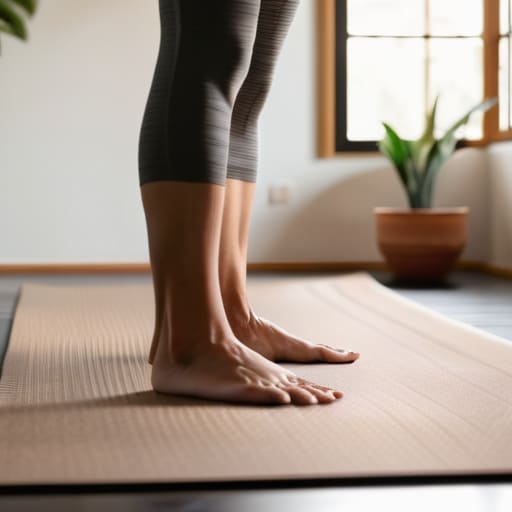
An Easy Home Workout for Absolute Beginners

I used to think that starting a fitness journey required a $150-a-month gym membership, a closet full of matching spandex, and a complicated rotation of high-tech equipment I’d eventually just use as coat racks. It’s the same optimization trap I see everywhere: we overcomplicate the entry point until the friction becomes so high that we just… don’t do it. Most advice surrounding a home workout for beginners is buried under layers of unnecessary gear and “influencer” aesthetics that feel more like a performance than a practice. Honestly, it’s exhausting.

I’m not here to sell you on a lifestyle overhaul or a 30-day transformation miracle. Instead, I want to give you a low-friction system that actually fits into a busy, unpredictable life. I’ve stripped away the fluff to build a framework based on minimalist movement and actual sustainability. We aren’t aiming for a perfect physique by next Tuesday; we are just building a reliable system that works even when you have zero motivation and even less time. Let’s get into it.

Table of Contents

Mastering Essential Bodyweight Exercises for Beginners

Mastering Essential Bodyweight Exercises for Beginners.

Look, you don’t need a rack of dumbbells or a complex training split to see results. When I first started trying to optimize my own routine, I realized that the most effective system is the one that actually gets done. That means focusing on the fundamentals of bodyweight exercises for beginners—the movements that use your own mass to build functional strength. Think squats for your lower body, push-ups for your chest and triceps, and planks for that core stability. These aren’t just “easy” moves; they are the building blocks of everything else.

The trick isn’t doing fifty reps of something you hate; it’s about mastering the mechanics of a few key movements. If a standard push-up feels like a recipe for bad form, drop to your knees or use a kitchen counter for an incline. It’s about reducing friction. If the movement is too hard, you’ll skip it, and if you skip it, the system breaks. By treating these movements as your baseline, you can build a full body home workout routine that scales with you. You aren’t training for a bodybuilding stage; you’re training to make your daily life feel easier and more efficient.

Low Impact Home Exercises That Actually Work

Low Impact Home Exercises That Actually Work

If you’re coming into this after a long period of sitting at a desk or if your joints tend to protest after a heavy session, you don’t need to go straight into high-intensity burpees. In fact, I’d argue that jumping into high-impact moves too fast is the fastest way to burn out or end up sidelined with an injury. Instead, focus on low impact home exercises that prioritize controlled movement over sheer explosive power. Think glute bridges, bird-dogs, or slow, deliberate squats. These movements build a foundation of stability without the jarring impact on your knees and ankles, making them much more sustainable for a long-term full body home workout routine.

The goal here isn’t to punish your body; it’s to wake it up. I’ve found that when I’m feeling particularly drained from a long day of analyzing data, these lower-intensity movements are actually easier to start. They lower the barrier to entry. If you’re looking for fitness tips for starting at home, my biggest piece of advice is to focus on the quality of your range of motion rather than how many reps you can cram into a minute. When you remove the “noise” of high-impact jumping, you can actually feel your muscles engaging, which is where the real progress happens.

The Low-Friction Strategy: 5 Ways to Make It Stick

  • Stop looking for the “perfect” routine. I spent way too much time researching the ideal split before I realized that a mediocre plan you actually do is infinitely better than a pro-level program that sits in your bookmarks folder. Just pick three moves and start.
  • Designate a “Zone of Action.” My living room gets messy, so I cleared one specific corner of the rug to be my workout space. When I step onto that spot, my brain knows it’s time to move. It reduces the mental friction of “getting ready.”
  • Use the “Two-Minute Rule” for bad days. On days when my brain is fried and I want to skip everything, I tell myself I’ll just do two minutes of movement. Usually, once the blood is flowing, I finish the set. If not? At least I kept the habit alive.
  • Audit your environment. If your workout clothes are buried at the bottom of a laundry basket, you’ve already lost. I keep my gear laid out the night before. It’s a tiny bit of systems engineering that removes one more decision from my morning.
  • Focus on progressive overload, not intensity. You don’t need to go until you’re gasping for air. Just try to do one more rep or hold a plank for five seconds longer than last week. Small, incremental wins are how you build a system that doesn’t crash.

The System Over the Sweat

Look, we’ve covered a lot of ground—from mastering those foundational bodyweight movements to finding low-impact options that won’t wreck your joints. The takeaway isn’t that you need a specialized home gym or a PhD in kinesiology to see results. It’s about realizing that you already have the most important tool: your own body weight. Whether you’re hitting a set of squats in your living room or opting for a low-impact flow to save your knees, the goal is to build a repeatable loop. Stop looking for the “perfect” routine and start focusing on the minimal viable movement that you can actually show up for, even on your worst days.

At the end of the day, I’m not interested in seeing you push yourself to the point of burnout just for the sake of a “hard” workout. That’s how systems fail. I want you to build a habit that feels like a natural part of your day, not a grueling chore you have to fight against. If you can show up for just ten minutes today, you’ve already won the battle against inertia. Don’t aim for a transformation by next week; just aim to build a system that works for your actual life. You’ve got this.

Frequently Asked Questions

How much space do I actually need to make this work without feeling claustrophobic?

Honestly? You don’t need a home gym; you just need enough floor space to lie down and extend your arms without hitting a wall. If you can roll out a standard yoga mat and move a coffee table six inches to the left, you’re golden. I’ve squeezed effective sessions into tiny studio apartments by focusing on vertical movements. Don’t let a cramped room be an excuse—just clear a small “zone” and go.

I'm worried about hurting myself; how do I know if my form is actually right without a trainer watching?

Look, I get it. The fear of a tweaked back or a blown knee is real. Since you don’t have a trainer hovering over you, use your phone as your second pair of eyes. Set it up on a tripod (or lean it against a water bottle) and film yourself from the side. Compare your video to a pro’s tutorial. If your spine looks like a question mark or your knees are cave-ing, adjust. Small tweaks, big wins.

What do I do on the days when my motivation is zero and I just can't bring myself to start?

Look, I get it. Some days the mental friction is just too high. When my motivation hits zero, I stop aiming for a “workout” and switch to the “Two-Minute Rule.” Tell yourself you’ll just do two minutes of movement—maybe some light stretching or five air squats. That’s it. Usually, the hardest part is just breaking the static friction of starting. If you still want to quit after two minutes? Fine. At least you kept the habit alive.

Do I really need to buy any equipment, or can I just use stuff I already have around the apartment?

Honestly? You don’t need a single piece of gym gear. I’ve spent way too much time looking at “essential” workout kits online, but most of it is just noise. Use a heavy backpack for weighted squats, grab some water jugs if you need resistance, or use a sturdy chair for dips. My goal is low friction. If you have to wait for a delivery to start, you’ve already lost the momentum. Just use what’s in your apartment.

Designing a Nighttime Routine for Better Sleep

I used to spend way too much money on “sleep optimization” gadgets—weighted blankets, expensive magnesium supplements, the whole nine yards—only to end up staring at my ceiling at 2:00 AM with my brain still running a thousand background processes. The wellness industry loves to sell us these complex, multi-step rituals that feel more like a second job than actual rest. But here’s the truth: if your attempt at how to create a wind down routine requires a PhD in biohacking or a massive budget, it’s fundamentally broken. We don’t need more gear; we need better systems.

I’m not here to give you a curated list of aesthetic lifestyle habits that look great on a Pinterest board but fail the moment you have a stressful Tuesday. Instead, I want to show you how to build a practical, low-friction framework that actually works with your biology, not against it. We’re going to strip away the fluff and focus on a few high-leverage tweaks that help you shut off the mental noise so you can actually reclaim your sleep. No perfection required—just a few simple steps to help you stop fighting your own brain.

Table of Contents

Ditch the Chaos for Systems That Actually Work

Ditch the Chaos for Systems That Actually Work

Most people approach their evening like they’re trying to solve a complex engineering problem with zero data. They scroll through TikTok until their eyes burn, then wonder why their brain feels like it’s running a marathon at 2 AM. That’s not a sleep problem; it’s a system failure. Instead of trying to force yourself into these rigid, perfectionist sleep hygiene practices you see on wellness influencers’ feeds, think about it like a controlled shutdown sequence for a computer. You wouldn’t just pull the plug on a server mid-process; you’d run a script to save your work and close out the background tasks.

Your brain needs that same transition period. This isn’t about adding more “to-dos” to your night; it’s about reducing the friction between your chaotic day and actual rest. I’ve found that the most effective way to start is by reducing blue light exposure at least thirty minutes before you hit the pillow. It’s a small, low-effort tweak, but it signals to your biology that the workday is officially over. We aren’t looking for a lifestyle overhaul here—we’re just looking for a few low-stakes habits that stop the mental noise from following you into bed.

Simple Sleep Hygiene Practices for Real People

Simple Sleep Hygiene Practices for Real People

Look, I’m not going to tell you to meditate for an hour or buy a $500 weighted blanket. That’s not realistic for most of us. Instead, let’s talk about basic sleep hygiene practices that don’t feel like a second job. The biggest culprit in my experience is the “doomscroll loop.” We think we’re relaxing, but we’re actually just spiking our cortisol. Try reducing blue light exposure by setting your phone to grayscale or, better yet, putting it in another room 30 minutes before you hit the pillow. It’s a small friction point, but it’s a massive win for your brain.

Once you’ve put the phone away, you need a way to signal to your nervous system that the “workday” is officially over. This is where calming evening activities come in. I’m talking about low-stakes stuff: reading a physical book (yes, like my parents), prepping your coffee for tomorrow, or even just tidying your desk. These aren’t just chores; they are preparing your body for sleep by creating a predictable sequence of events. When you repeat these small actions, your brain eventually learns that this specific sequence means it’s time to shut down.

My Low-Friction Blueprint for Shutting Down

  • The “Brain Dump” Protocol: Before you even touch your pillow, grab that physical notebook I’m always obsessing over and scribble down every single task, worry, or random thought swirling in your head. If it’s on paper, your brain doesn’t have to spend the next three hours looping it in the background.
  • Digital Sunset (The Non-Negotiable Version): You don’t need to live in a cave, but try setting a hard “no-scroll” boundary 30 minutes before bed. If you can’t ditch the phone entirely, at least switch to grayscale mode—it makes the apps look boring and strips away that dopamine-loop pull.
  • Low-Stakes Input: Stop consuming high-intensity content like news or work emails right before bed. Switch to something low-stakes—a physical book, a podcast you’ve already heard, or even just some lo-fi beats. We’re looking for “background noise” for your brain, not a mental workout.
  • Temperature Control as a System: My engineering brain loves this one. Your body needs a drop in core temperature to signal it’s time to sleep. Keep your room cool, or even better, take a quick warm shower; the subsequent cooling process acts like a biological “off” switch.
  • One Single Anchor Habit: Don’t try to overhaul your entire life in one night. Pick one tiny, repeatable action—like making a cup of herbal tea or stretching for two minutes—and do it every single night. This becomes your psychological cue that the workday is officially dead.

Stop Aiming for Perfection

Look, we’ve covered a lot, but the biggest takeaway is this: you don’t need a ten-step, Pinterest-perfect ritual to see results. It’s about the small, repeatable wins—dimming the lights, putting the phone in another room, or just giving your brain a chance to actually decompress without a screen in your face. Whether you’re building a strict sequence or just trying to reclaim twenty minutes of peace, the goal is to create a reliable buffer between the chaos of your workday and the rest your body needs. If you miss a night or fall back into a scrolling rabbit hole, don’t sweat it. Just reset the system the next evening.

At the end of the day, these routines aren’t about adding more “to-dos” to your list; they are about protecting your bandwidth. We live in a world designed to keep us constantly plugged in and perpetually exhausted, so choosing to unplug is a radical act of self-optimization. You aren’t trying to win an award for the best sleeper; you’re just trying to build a life that feels sustainable. Start small, keep your systems simple and functional, and let the rest take care of itself. You’ve got this.

Frequently Asked Questions

What if I can't stick to a routine because my work schedule is totally unpredictable?

Look, I get it. If you’re working shifts or dealing with constant fires at work, a rigid “every night at 10 PM” routine is a fantasy. Don’t try to force a schedule that doesn’t exist. Instead, build a “modular routine.” Think of it like a checklist of three non-negotiables—maybe dimming lights, no phone, and five minutes of reading. No matter when your day actually ends, you just run that sequence. Focus on the order, not the clock.

How much time should I actually spend winding down before it starts feeling like another chore on my to-do list?

Look, if you’re scheduling a “60-minute mindfulness ritual,” you’ve already lost. That’s just another task on a list that’s already too long.

Is it really worth putting my phone away if I just use it for white noise or a meditation app?

Honestly? It’s a slippery slope. I get it—you’re just using it as a tool, not a distraction. But here’s the systems-engineering reality: your brain doesn’t distinguish between “white noise” and the potential for a random notification to hijack your dopamine. If that phone is within arm’s reach, you’re still mentally tethered to the noise. Use a dedicated white noise machine or an old iPod instead. Separate the utility from the distraction.

How do I stop my brain from racing about tomorrow's tasks the second I try to close my eyes?

That’s the “open loop” problem. Your brain thinks if it doesn’t remind you about that 9 AM meeting, you’ll fail. Stop fighting it. Grab that physical notebook I always carry and do a “brain dump.” Write down every single nagging task, worry, or idea currently spinning in your head. Once it’s on paper, your brain gets the signal that the data is safely stored and it can finally stop processing. Close the book, close your eyes.

Practical Ways to Hit Your Daily Water Goals

I spent three weeks trying to follow one of those “optimal hydration” influencers who insisted I needed a $60 smart bottle that syncs to my phone just to track my intake. It was a total joke. Between the constant notifications and the sheer complexity of the setup, I ended up more stressed than hydrated. We’ve turned a basic biological necessity into this high-maintenance chore, and frankly, I’m over it. If you’re searching for how to drink more water without needing a degree in data science or a massive budget, you’re in the right place.

I’m not here to give you a lecture on cellular osmosis or tell you to buy more gear. My approach is much simpler: we’re going to build low-friction systems that actually fit into a busy schedule. I’ve spent years obsessing over how to optimize my own workflows, and I’ve applied that same systems-engineering mindset to my health. I’m going to share the exact, no-nonsense tactics I use to stay hydrated without it feeling like another item on an endless to-do list. We aren’t aiming for a perfect biological machine; we’re just aiming for systems that work.

Table of Contents

Recognizing the Warning Signs of Dehydration

Recognizing the Warning Signs of Dehydration.

Most people wait until they feel parched to realize they’re running on empty, but by then, you’re already playing catch-up. I used to think a dry mouth was the only red flag, but it’s way more subtle than that. If you find yourself hitting a massive afternoon slump or feeling that weird, fuzzy brain fog that makes your spreadsheets look like gibberish, your body is likely screaming for fluids. These are classic signs of dehydration that we often mistake for just being “tired” or “stressed.”

Another thing I noticed during my engineering studies was how much physical discomfort can actually be tied to fluid levels. If you’re getting those nagging tension headaches or feeling unusually irritable, don’t just reach for more caffeine—that might actually make things worse. Instead, pay attention to your focus levels. I’ve found that building better hydration habits for energy is much more effective than chasing a third espresso. If your concentration is slipping and your mood is tanking, it’s a signal to stop the grind for five minutes and just go find a glass of water. Your brain literally needs it to function.

Finding Your Personal Daily Water Intake Requirements

Finding Your Personal Daily Water Intake Requirements

Look, if you’ve spent any time on wellness TikTok, you’ve probably seen those “8 glasses a day” rules. Honestly? That’s a massive oversimplification. As someone who looks at everything through a systems lens, I hate arbitrary metrics. Your daily water intake requirements aren’t a fixed number written in stone; they are a moving target based on your body weight, your activity level, and even the humidity in your apartment. If you’re grinding through a heavy lifting session or running errands in the heat, your baseline is going to shift.

Instead of chasing a generic number, I suggest you start by listening to your own biological feedback loops. I used to try and force myself to hit a specific gallon goal every morning, but it felt like a chore rather than a system. Now, I just focus on adjusting based on output. If you’ve been sitting at your desk for six hours straight, you’re likely more dehydrated than you realize. A good way to calibrate is to look at your energy levels; if you feel that mid-afternoon slump, it’s often a sign to up your intake rather than reaching for more caffeine. Stop treating hydration like a math problem and start treating it like tuning a machine—it’s all about finding that sweet spot where you feel most efficient.

Low-Friction Systems to Keep You Hydrated

  • Stop relying on willpower. Grab a high-quality, insulated bottle that you actually enjoy holding and keep it in your line of sight. If it’s tucked away in a bag or a cupboard, you’re going to forget it exists. Out of sight, out of mind is a real problem for our brains.
  • Use “habit stacking” to make it automatic. Don’t try to remember to drink water out of thin air; tie it to something you already do. Drink a glass right after you brush your teeth, or take a few sips every time you finish a meeting. It turns a conscious effort into a background process.
  • If plain water feels like a chore, flavor it—but keep it simple. Toss in some frozen berries, a slice of cucumber, or a squeeze of lemon. You’re looking for a way to make the experience more pleasant without turning it into a sugary juice habit that spikes your insulin.
  • Set digital boundaries with your hydration. If you’re the type to get lost in deep work, use a simple app or even a recurring calendar invite to nudge you. But don’t go overboard with constant notifications; you want a gentle reminder, not another source of digital noise.
  • Don’t aim for the “perfect” gallon a day. If you’re currently drinking almost nothing, aiming for three liters is a recipe for burnout. Just aim to drink one more glass than you did yesterday. We’re building a system here, and systems need to be scalable, not overwhelming.

Stop Overthinking the Hydration Math

At the end of the day, staying hydrated isn’t about mastering some complex biological equation or hitting a rigid, arbitrary gallon goal. It’s about recognizing when your body is sending you those subtle, nagging signals—like a midday headache or that weird brain fog—and having a simple system in place to respond. Whether you’re tracking your specific needs based on your activity level or just keeping a favorite bottle on your desk to make it effortless, the goal is to move from manual effort to automatic habit. Don’t let the pursuit of a “perfect” routine become another source of digital fatigue or mental clutter.

I know how it feels to want to optimize every single aspect of your life, but sometimes the biggest wins come from the smallest adjustments. You don’t need a high-tech smart bottle or a complex spreadsheet to get this right; you just need to stop fighting against your own biology. Start small, be consistent, and let these systems run in the background so you can focus your energy on the things that actually move the needle for you. Remember, we aren’t aiming for a perfect hydration score—we’re just building systems that work for our real, messy lives.

Frequently Asked Questions

Does it actually matter if I drink my water all at once or spread it out throughout the day?

Look, I get the temptation to just chug a liter in one go to “get it over with,” but your body isn’t a bucket—it’s a system. If you flood it all at once, you’re mostly just stressing your kidneys and heading straight to the bathroom. To actually stay hydrated, you need steady input. Think of it like a slow trickle rather than a flash flood. Spread it out. Small, consistent sips keep your levels stable without the bloat.

Can I replace plain water with things like tea or sparkling water, or is that cheating?

It’s definitely not cheating. I used to get hung up on the “pure water only” rule, but that’s just a recipe for burnout. Tea, coffee, and even sparkling water all count toward your total hydration. The only caveat? Watch the sugar in flavored stuff and the caffeine if it’s making you jittery. If a sparkling water makes you actually want to drink more, use it. Systems work better when they’re enjoyable, not a chore.

How do I stop feeling like I'm constantly running to the bathroom every twenty minutes?

Look, I get it. It feels like you’ve traded productivity for a constant loop of bathroom breaks. Most likely, you’re “chugging” rather than “sipping.” When you slam a huge glass of water at once, your body can’t absorb it fast enough, so it just sends it straight to your bladder. Try switching to small, consistent sips throughout the hour. It’s less about total volume and more about steady, manageable absorption.

Are there any specific tools or apps that actually help, or is that just more digital noise?

Honestly? Most of them are just more digital noise. If an app sends you a ping every hour, you’ll eventually just start swiping them away without thinking. That’s just adding to the mental clutter. If you want a system, keep it low-friction. Use a physical bottle with markings, or set one single, recurring alarm on your phone. Don’t over-engineer it; if the tool requires constant maintenance, it’s failing you.

Eating Well Without Breaking the Bank

I’m so tired of seeing influencers claim that “wellness” requires a $15 jar of organic almond butter and a mountain of exotic superfoods you can barely pronounce. It’s a total scam designed to make you feel like your bank account is the reason you aren’t thriving. Honestly, the idea that healthy eating on a budget is some impossible, high-maintenance puzzle is the biggest myth in the industry. We’ve been sold this narrative that nutrition is a luxury good, when in reality, most of the “optimization” people do is just expensive noise that adds zero actual value to their lives.

I’m not here to give you a list of miracle supplements or a meal plan that requires a culinary degree. Instead, I want to share the actual systems I use to keep my energy high without draining my savings. I’m going to break down how to build a repeatable grocery framework that prioritizes nutrition, minimizes waste, and respects your time. We aren’t aiming for a Michelin-star kitchen or a perfect diet; we’re just building a system that works so you can stop stressing about your grocery bill and start actually fueling your body.

Table of Contents

Mastering the Art of Nutritious Grocery Shopping Tips

Mastering the Art of Nutritious Grocery Shopping Tips

First things first: you have to stop walking into the store without a battle plan. I used to be the person who wandered the aisles, getting distracted by shiny packaging and expensive “health” snacks, only to realize I’d spent fifty bucks on stuff I wouldn’t even eat by Wednesday. Now, I treat my grocery run like a logistics problem. Before I even leave the house, I check what’s actually in my pantry and build a list around affordable whole foods that I know I’ll actually use. If it’s not on the list, it doesn’t go in the cart. Period.

The real secret to keeping your bank account intact is leaning into the rhythm of the seasons. When you prioritize seasonal produce benefits, you aren’t just getting better flavor; you’re getting much better prices because the supply is high. I also try to keep my focus on low cost protein sources like lentils, eggs, or canned tuna. These are the heavy lifters of any efficient system. By focusing on these staples rather than chasing every new superfood trend, you’re building a foundation that’s sustainable for both your body and your wallet.

Finding Real Value in Affordable Whole Foods

Finding Real Value in Affordable Whole Foods

When I look at a grocery receipt, I don’t see a list of items; I see a data set that’s usually leaking money. Most people fall into the trap of thinking “healthy” equals “expensive organic boutique items,” but that’s a systemic error. If you want to actually move the needle, you have to pivot toward affordable whole foods that have a high nutritional density per dollar. I’m talking about the heavy lifters: dried lentils, oats, brown rice, and frozen vegetables. These aren’t just cheap fillers; they are the foundation of a system that doesn’t require a massive paycheck to maintain.

The real trick is identifying your low cost protein sources before you even step into the store. I’ve found that leaning heavily on eggs, canned tuna, and legumes keeps my energy stable without the “premium meat” price tag. I also try to keep a close eye on the seasonal produce benefits—buying berries in January is basically a voluntary tax on your bank account. If you stick to what’s actually in season, you get better flavor and a much lower price point. It’s not about deprivation; it’s about choosing ingredients that actually deserve a spot in your pantry.

The Systems Approach: 5 Ways to Stop Overspending on Food

  • Stop the “What’s for dinner?” panic by building a rotating meal template. Instead of deciding from scratch every night, pick three go-to frameworks—like a grain bowl, a stir-fry, or a sheet-pan roast—and just swap the seasonal veggies. It cuts decision fatigue and keeps your grocery list predictable.
  • Treat your freezer like a strategic reserve. Frozen vegetables and fruits aren’t “second best”; they’re often more nutrient-dense because they’re flash-frozen at peak ripeness, and they won’t rot in your crisper drawer while you’re busy working late.
  • Master the art of the “pantry staple” rotation. Keep a baseline of high-fiber, low-cost essentials like lentils, oats, canned beans, and brown rice. When your budget gets tight, these are your foundation. They’re cheap, they last forever, and they do the heavy lifting for your nutrition.
  • Audit your “convenience tax.” I used to buy pre-cut kale and bagged salads because I was tired, but the markup is insane. Buy the whole head of broccoli or the bag of carrots instead. It takes five extra minutes of prep, but it saves you enough over a month to actually notice the difference in your bank account.
  • Shop your own kitchen before you hit the store. I keep a running list in my pocket notebook of what I actually have left. There is zero point in buying another jar of peanut butter just because it was on sale if you already have two hiding in the back of the pantry.

Systems Over Perfection

Look, we’ve covered a lot of ground here—from tactical grocery shopping hacks to the importance of leaning into whole foods rather than expensive, branded “health” products. At its core, eating well on a budget isn’t about following some rigid, impossible meal plan or suddenly becoming a gourmet chef. It’s about building a repeatable system that removes the decision fatigue from your week. When you stop treating every meal like a high-stakes negotiation with your bank account and start focusing on smart, predictable habits, the stress just starts to evaporate. You don’t need a massive pantry or a huge paycheck; you just need a workflow that works for your actual life.

If you feel overwhelmed right now, just remember: you don’t have to overhaul your entire kitchen by Monday morning. Start small. Maybe this week you just commit to one more bag of frozen veggies or a single batch of meal-prepped grains. My goal isn’t to help you reach some unattainable standard of culinary perfection; it’s to help you build sustainable momentum. Life is messy, and your diet will have its off days, and that’s totally fine. We aren’t aiming for a flawless streak; we’re just aiming for systems that actually stick. Grab your notebook, pick one thing we talked about today, and just start there.

Frequently Asked Questions

How do I actually meal prep without spending my entire Sunday in the kitchen?

Look, I used to treat meal prep like a part-time job, and it was exhausting. My system? Stop trying to cook five massive recipes at once. Instead, prep “components.” Roast two trays of veggies, boil a batch of grains, and cook some protein. That’s it. Now, when Tuesday rolls around, you aren’t “cooking”—you’re just assembling. It’s way faster, less messy, and actually leaves you with a Sunday that feels like a Sunday.

Is it even possible to get enough protein on a tight budget without buying expensive supplements?

Honestly? It’s not just possible; it’s actually easier than chasing expensive protein powders. Supplements are just processed shortcuts, and they’re a massive drain on your budget. I look at protein like any other system optimization: focus on high-yield, low-cost inputs. Think dried lentils, eggs, canned tuna, or even Greek yogurt in bulk. If you stop viewing protein as a “supplement” and start seeing it as a staple, your wallet (and your muscles) will thank you.

How do I avoid the "healthy food trap" where I end up buying organic stuff I can't actually afford?

Look, the “organic or bust” mindset is a productivity killer—it’s expensive, stressful, and honestly, a bit of a trap. I used to get caught in that cycle too. Here’s my system: focus on the “Dirty Dozen” list if you’re worried about pesticides, but for everything else? Just buy the standard version. A bag of conventional spinach is infinitely better for your health and your bank account than an empty fridge because you overspent on organic kale.

What are some quick, low-effort meals for those nights when I'm too exhausted to follow a system?

Look, we’ve all had those nights where even a simple recipe feels like a mountain climb. When my brain is fried, I lean on “assembly meals” rather than actual cooking. Think: Greek yogurt with frozen berries, canned tuna on whole-grain toast, or a quick black bean and avocado wrap. No pans, minimal cleanup, and zero decision fatigue. It’s not gourmet, but it keeps the system from crashing when you’re running on empty.

Staying Healthy While Working a Desk Job

I spent three months thinking I needed a $1,500 ergonomic throne and a specialized standing desk to fix the dull ache in my lower back. I fell for the same marketing trap everyone else does, convinced that “wellness” was something you had to buy in bulk. But after staring at spreadsheets for ten hours a day as a junior analyst, I realized that most of the high-end desk job health tips being pushed by influencers are just expensive noise. You don’t need a complete office overhaul to stop feeling like a human pretzel by 3 PM; you just need better systems.

I’m not here to sell you a lifestyle overhaul or a subscription to a meditation app. My goal is to give you the stripped-back, pragmatic reality of how I actually stay functional while crushing my workload. I’ve distilled my own trial and error into a few highly actionable tweaks that focus on movement, environment, and mental bandwidth. We aren’t aiming for some impossible standard of peak performance; we’re just building systems that work so you can finish your day without feeling completely drained.

Table of Contents

The Ergonomic Workstation Setup That Actually Works

The Ergonomic Workstation Setup That Actually Works

Look, I spent way too much time in my early twenties trying to build the “perfect” setup, thinking a $1,200 chair was a magic fix for my back pain. It wasn’t. The truth is, a great ergonomic workstation setup isn’t about the gear you buy; it’s about how you position yourself within it. I started by focusing on the “90-degree rule”—elbows, hips, and knees all at roughly right angles. If your monitor is too low, you’re going to end up hunched over like a question mark, which is a fast track to needing constant desk stretches for neck pain.

Instead of chasing expensive gadgets, start with the basics: your eyes and your posture. Your screen should be at eye level so you aren’t tilting your chin down all day. If you’re working on a laptop, get a cheap stand and an external keyboard; it’s a total game-changer for your spine. Also, don’t ignore your eyes. I started using the 20-20-20 rule—every 20 minutes, look at something 20 feet away for 20 seconds—as a simple way to find eye strain relief for computer users. It sounds small, but it stops that mid-afternoon brain fog from setting in.

Preventing Sedentary Lifestyle Diseases Without the Fuss

Preventing Sedentary Lifestyle Diseases Without the Fuss

Look, I get it. When you’re deep in a flow state or staring down a deadline, the last thing you want to do is get up and start doing yoga in the middle of the office. But staying glued to your chair for eight hours straight is a slow-motion recipe for disaster. We aren’t trying to turn your cubicle into a gym; we’re just trying to avoid the long-term fallout of preventing sedentary lifestyle diseases. The goal is to break up the stillness before your body starts sending you angry signals.

I’ve found that the most effective way to do this is by building a low-friction office wellness routine that doesn’t feel like a chore. Instead of aiming for a massive workout, try the “micro-movement” approach. Every time you finish a task or hit a milestone, stand up. Even if you don’t have a standing desk, just the act of getting up to grab water or doing a quick set of desk stretches for neck pain can reset your physical state. It’s about small, consistent interruptions to the stagnation rather than waiting until you’re already feeling stiff and broken.

Small Tweaks to Stop the Mental and Physical Drain

  • Stop the “doomscrolling” breaks. When you’re feeling burnt out, your instinct is to grab your phone, but that just adds more digital noise to your brain. Instead, try a “sensory reset”—stare out a window at something far away or grab a glass of water. Give your eyes and your dopamine receptors a second to actually breathe.
  • Treat your eyes like a high-performance component. If you’re staring at a screen for eight hours, you’re going to hit a wall. Use the 20-20-20 rule: every 20 minutes, look at something 20 feet away for 20 seconds. It sounds basic, but it keeps the eye strain from turning into a tension headache by mid-afternoon.
  • Optimize your hydration system. I used to rely on caffeine to power through, but it just leads to the inevitable 3 PM crash. Keep a physical water bottle on your desk—not a tiny one, a real one. If it’s right in front of you, you’ll actually drink it, and staying hydrated is the easiest way to keep your focus from tanking.
  • Audit your notification settings. My biggest productivity killer isn’t the workload; it’s the constant pinging. Turn off every non-essential notification on your desktop and phone. If it’s not a direct message from a human that requires an immediate response, it can wait until you’ve finished your current deep-work block.
  • Build a “transition ritual” to end your day. Since I work in a digital-heavy role, my brain doesn’t just “switch off” when I close my laptop. I’ve started using a physical notebook to write down the top three things I need to do tomorrow. Once it’s on paper, it’s out of my head, and I can actually enjoy my evening without the mental loop of unfinished tasks.

The Bottom Line

Look, I know it feels like a lot to track. Between adjusting your monitor height, remembering to stand up every hour, and trying not to turn into a human pretzel by the end of the day, it can feel like just another set of tasks on an already overflowing to-do list. But the goal here isn’t to turn your workspace into a sterile laboratory. It’s about making small, incremental shifts in how you interact with your desk. Whether it’s a quick stretch or a minor tweak to your chair, these aren’t just “health tips”—they are low-friction systems designed to keep you from hitting a wall before the clock even hits five.

At the end of the day, your career is a marathon, not a sprint, and you can’t finish the race if your hardware is constantly breaking down. Don’t get caught up in the trap of trying to build the “perfect” wellness routine overnight. Just pick one thing from this list and implement it tomorrow. If it works, keep it; if it doesn’t, tweak it. We aren’t aiming for a flawless existence; we’re just trying to build a life where you actually have the energy to enjoy your time once the laptop finally closes. Start small, stay consistent, and let the systems do the heavy lifting.

Frequently Asked Questions

I don't have the budget for a high-end standing desk; are there cheap ways to actually change my posture during the day?

Look, you don’t need a $600 motorized desk to stop slouching. I’ve been there. Honestly, the best hack is just a stack of sturdy books or a wooden crate to raise your laptop so your eyes hit the top third of the screen. If you want to switch between sitting and standing, try a cheap desktop converter or even just standing up during every single Zoom call. It’s about the movement, not the gear.

How am I supposed to stay active when I'm stuck in back-to-back Zoom meetings all morning?

Look, I get it. When your calendar looks like a solid block of blue, “taking a break” feels like a luxury you don’t have. But you can’t wait until lunch to move. Try the “Camera-Off Micro-Movement” rule: if you aren’t presenting, stand up. Stretch your hip flexors or just pace the room while you listen. If you’re on a call where you’re just a silent listener, use a desk pedal or a balance board. Small wins matter.

My eyes feel like they're burning by 4 PM—is there a specific way to manage screen fatigue that isn't just "take a break"?

The “just take a break” advice is useless when you’re mid-sprint. Instead, try the 20-20-20 rule: every 20 minutes, look at something 20 feet away for 20 seconds. It resets your eye muscles. Also, check your lighting. If you’re fighting glare from a window or a harsh overhead, your eyes are working overtime just to focus. Dim the screen brightness to match your room, and if you can, grab some preservative-free artificial tears.

Is it actually worth getting a specialized ergonomic mouse, or am I just falling for marketing hype?

Look, I get it. It feels like every tech reviewer is trying to sell you a $150 piece of plastic. Here’s the truth: if you’re already feeling that dull ache in your wrist or forearm by 2 PM, it’s worth the investment. A vertical mouse changes the angle of your hand so you aren’t constantly twisting your radius and ulna. If you’re pain-free? Stick to what you have. Don’t buy the hype; buy the relief.

A Guide to Practicing Gratitude Effectively

I spent way too much time in my early twenties thinking that learning how to practice gratitude meant buying a $30 linen-bound journal and spending twenty minutes every morning performing some sort of aesthetic, meditative ritual. It felt like just another chore on my already overflowing to-do list—another system designed to fail because it was too high-maintenance. Honestly, the “wellness industrial complex” makes it sound like you need a complete lifestyle overhaul just to appreciate your life, but that’s a total myth. If a habit requires perfect conditions to work, it’s not a habit; it’s a burden.

I’m not here to sell you on a spiritual awakening or a complicated morning routine that eats up your precious mental bandwidth. Instead, I want to show you how to build low-friction systems that actually stick, even when your day is absolute chaos. We’re going to strip away the fluff and focus on practical, engineering-minded ways to recalibrate your brain without adding more noise to your life. My goal is to give you a few no-nonsense frameworks that turn gratitude from a daunting task into a background process that just works.

Table of Contents

Simple Daily Mindfulness Exercises That Wont Waste Your Time

Simple Daily Mindfulness Exercises That Wont Waste Your Time

Look, I get it. The idea of sitting cross-legged on a cushion for twenty minutes sounds like a massive chore when you have a mounting inbox and a life to run. If a system feels like a burden, you won’t use it—and that’s the whole point of optimization. Instead of forcing a massive lifestyle shift, try integrating daily mindfulness exercises into the “dead time” you already have. While you’re waiting for your coffee to brew or sitting on the subway, just do a quick mental scan. Identify three specific things that aren’t currently bothering you. It sounds trivial, but it’s about training your brain to stop scanning exclusively for threats and friction.

If you want something slightly more structured without the fluff, try a “micro-journaling” approach. Forget the long-form, poetic entries you see on social media; that’s not sustainable for most of us. Just grab that pocket notebook I’m always talking about and jot down one single win before you close your eyes at night. This is one of the most effective benefits of gratitude journaling because it forces a hard reset on your internal monologue. You aren’t trying to rewrite your entire personality; you’re just building a system that proves your day wasn’t a total wash.

The Real Mental Health Benefits of Thankfulness Explained

The Real Mental Health Benefits of Thankfulness Explained

Look, I’m not here to sell you some “good vibes only” lifestyle. I’m a systems guy; I care about what actually moves the needle. When we talk about the mental health benefits of thankfulness, we aren’t just talking about feeling fuzzy inside. We’re talking about biological recalibration. When you intentionally shift your focus, you’re essentially training your brain to bypass the “negativity bias”—that hardwired survival instinct that makes us obsess over every single thing that goes wrong in a day.

By integrating even small benefits of gratitude journaling into your routine, you’re building a buffer against burnout. It’s about lowering your baseline cortisol levels so you aren’t constantly stuck in fight-or-flight mode. Think of it like optimizing a piece of software: you’re clearing out the background processes—the constant, low-level anxiety—to free up actual cognitive bandwidth.

It’s not magic; it’s just neuroplasticity in action. When you consistently acknowledge what’s working, you aren’t ignoring the chaos; you’re just ensuring that the chaos doesn’t become your entire operating system. You’re building a mental framework that allows you to process stress without letting it crash your entire system.

Low-Friction Systems for Real Gratitude

  • Stop trying to write a novel. Grab that pocket notebook I’m always talking about and just jot down three quick things before you close your eyes. If it takes more than two minutes, you’re over-engineering it and you won’t stick with it.
  • Use “Trigger-Based” gratitude. Don’t rely on willpower; tie it to an existing habit. Every time you hit ‘send’ on your last email of the day, or every time you plug your phone in at night, name one thing that went right. It turns a mental chore into a system.
  • Audit your digital inputs. It’s hard to feel thankful when your feed is a constant stream of comparison and outrage. Spend five minutes unfollowing accounts that make you feel like you’re falling behind. It’s much easier to find gratitude when you aren’t constantly fighting digital noise.
  • Focus on the “Small Wins” instead of the big milestones. We usually wait for the promotion or the vacation to feel good, but that’s a recipe for burnout. I try to track the tiny stuff—like a perfectly lubed mechanical switch or a coffee that actually tasted right. Those are the bits that keep the engine running.
  • Get specific, not generic. Saying “I’m grateful for my health” is fine, but it’s hollow. Try “I’m glad my back didn’t ache during that long meeting today.” Specificity makes it real; it moves the practice from a vague concept to a tangible observation.

The Bottom Line

Look, I’m not asking you to start a lifelong ritual of writing flowery poetry in a leather-bound journal every morning. We’ve already talked about how mindfulness doesn’t have to be a time-sink and why your brain actually needs these small wins to stay functional. Whether it’s a quick note in your pocket notebook or just a mental check-in while you’re waiting for your coffee to brew, the goal is the same: stop letting the chaos drown out the good stuff. It’s about building a system of recognition that works with your schedule, not against it. Just focus on low-friction habits that actually stick, because a system you never use is just more digital clutter.

At the end of the day, gratitude isn’t some magical cure-all that makes your problems disappear, but it does change the way you navigate them. It’s about reclaiming a bit of mental bandwidth from the noise so you can actually enjoy the life you’re working so hard to build. You don’t need to be perfect at this; you just need to be consistent enough to notice the shift. Stop waiting for the “perfect time” to feel balanced and just start where you are. Build your system, trust the process, and let the rest settle.

Frequently Asked Questions

How do I stay consistent with this when I'm having a genuinely terrible day?

Look, some days are just absolute trash. When you’re in the trenches, a “gratitude journal” feels like a joke. Don’t force the deep stuff. On those days, I pivot to “micro-wins.” Did you drink enough water? Did you hit a green light? That’s it. Lower the bar until it’s impossible to fail. The goal isn’t to be happy; it’s just to keep the system from breaking entirely. Just one tiny thing. That’s the win.

Is there a way to do this without it feeling cheesy or fake?

Look, I get it. The whole “counting blessings” thing can feel incredibly performative and, honestly, a little cringey if you’re forced to do it. The trick is to stop treating it like a spiritual ritual and start treating it like data collection. Don’t look for life-changing miracles; just look for small wins. Did your coffee hit right? Did you clear your inbox? Track the small, functional stuff. It’s not about being “blessed”—it’s about noticing what’s working.

Do I need a dedicated app for this, or is a physical notebook actually better?

Honestly? Don’t let the “perfect setup” become another chore on your to-do list. If you love data and want to track trends over months, an app is fine. But if you’re feeling digitally fatigued, go physical. I keep a pocket notebook for a reason—there’s no notification to distract you, no blue light, and the tactile act of writing actually helps the brain process things differently. Just pick one and start.

How much time should I realistically be spending on this each day to see a difference?

Look, if you’re thinking you need to carve out thirty minutes of silent meditation to make this work, you’re already setting yourself up for burnout. That’s not a system; that’s a chore. Realistically? Aim for five minutes. Whether it’s jotting three things in my pocket notebook while my coffee brews or a quick mental scan during my commute, consistency beats duration every single time. Just keep it small enough that you can’t use “being busy” as an excuse.

The Science Behind Why Nature Heals Us

I was staring at my dual-monitor setup last Tuesday, eyes burning from blue light and my brain feeling like a browser with sixty tabs open, when I realized I was actually failing at my own optimization goals. I’d spent three hours researching the latest productivity apps and biohacking gadgets, completely ignoring the most basic system update available to us. We’ve been sold this idea that mental clarity requires expensive retreats or complex mindfulness regimens, but honestly, the real benefits of time in nature don’t come from a premium subscription or a curated wellness retreat. It’s much simpler—and much more effective—than the influencers want you to believe.

I’m not here to give you a poetic lecture on the beauty of a sunset or some vague, spiritual fluff. My goal is to treat your mental bandwidth like the finite resource it is. I’m going to break down how you can integrate small, low-friction outdoor habits into an already chaotic schedule to actually reset your nervous system. No fluff, no expensive gear, just systems that work to help you stop fighting your own brain and start reclaiming your focus.

Table of Contents

Why Your System Needs a Natural Mental Reset

Why Your System Needs a Natural Mental Reset

Look, we spend most of our lives staring at high-resolution screens that are essentially designed to keep us in a state of constant, low-level fight-or-flight. My engineering brain knows that you can’t run a processor at 100% capacity indefinitely without it overheating. Humans are the same. When we stay trapped in urban, digital loops, our bodies stay stuck in a stress response. One of the most direct ways to break that cycle is through reducing cortisol through outdoor activity. It’s not just some “woo-woo” concept; it’s a physiological necessity to lower those stress hormones that keep you feeling wired but tired.

I used to think I could “optimize” my way out of burnout with better task managers or new apps, but you can’t patch a hardware problem with software. The impact of green spaces on cognitive function is real—nature acts like a hard reset for your attention span. When you step into a park or a forest, you stop the frantic, directed focus required by your inbox and shift into a more effortless state of awareness. This isn’t about a weekend retreat or a massive lifestyle overhaul; it’s about recognizing that your brain needs a different kind of input to actually function at its peak.

Reducing Cortisol Through Outdoor Activity Without the Fluff

Reducing Cortisol Through Outdoor Activity Without the Fluff

Look, I’m not a doctor, but I am a systems guy. I look at stress like a feedback loop that’s gone rogue. When you’re staring at a dual-monitor setup for ten hours straight, your body isn’t just “tired”—it’s stuck in a physiological high-alert state. We talk about burnout like it’s a mental choice, but it’s actually a biological reality. This is where reducing cortisol through outdoor activity moves from “wellness fluff” to a legitimate operational necessity. When you step outside, you aren’t just taking a break; you are actively signaling to your nervous system that the immediate threat—the inbox, the Slack notifications, the looming deadline—is gone.

The science behind this is pretty straightforward. There’s this concept called the biophilia hypothesis, which basically suggests we have an innate, evolutionary need to connect with other forms of life. When we ignore that, our systems crash. I’ve found that even a twenty-minute walk without a podcast playing can drastically shift my baseline. It’s about the physiological effects of natural environments acting as a manual override for your stress response. You don’t need a mountain retreat or a week in the woods to make this work; you just need to stop treating your brain like a machine that can run on high-octane stress indefinitely.

Low-Friction Ways to Integrate Nature Into Your Workflow

  • Stop waiting for a weekend hiking trip to reset. If you’re hitting a wall at 2 PM, take your next 15-minute call outside. The change in sensory input is often enough to break a cognitive loop.
  • Use the “No-Phone Walk” rule. When you step outside, leave the smartphone on your desk. If you’re constantly checking notifications, you aren’t actually resetting your brain; you’re just moving the digital noise to a different setting.
  • Optimize your workspace with biological cues. If you can’t get to a park, get some high-quality sunlight on your face first thing in the morning and add a few low-maintenance plants to your desk. It’s a small hack, but it helps signal to your nervous system that you aren’t trapped in a concrete box.
  • Practice “Micro-Dosing” green space. You don’t need a forest; a single tree in a city park or even a view of a garden works. Even five minutes of looking at something non-digital and organic can lower your baseline stress levels.
  • Schedule your outdoor time like a non-negotiable meeting. If it isn’t in your calendar, it won’t happen. Treat a 20-minute walk with the same level of importance as a sync with your manager. Your output depends on it.

The Bottom Line

Look, I’m not telling you to quit your job and move into a cabin in the woods. That’s not a system; that’s an escape. What I am saying is that we need to stop treating nature like a luxury and start treating it like a necessary maintenance window for our brains. We’ve already looked at how stepping outside can physically lower your cortisol and how a simple change of scenery acts as a hard reset for your cognitive load. Whether it’s a ten-minute walk during lunch or a weekend hike, the goal is to break the cycle of digital overstimulation before it breaks you. It’s about small, repeatable inputs that yield massive long-term outputs.

At the end of the day, your productivity and your peace of mind aren’t at odds—they’re deeply connected. You can’t optimize a system that is constantly running on empty and overheating. Don’t wait for a massive burnout to force you into a break; build the “outdoor reset” into your weekly workflow now. Stop over-engineering your life and just go outside. It’s the simplest, most effective tool in your kit, and it doesn’t require a single software update to work.

Frequently Asked Questions

How much time do I actually need outside to see a difference in my focus?

Look, you don’t need a three-hour hike to see a return on investment. If you’re looking for the “minimum viable dose” to stop the brain fog, aim for 20 minutes. That’s the sweet spot where your cortisol levels actually start to dip and your focus resets. Even if it’s just a quick walk around the block without your phone, treat it like a scheduled system reboot. Short, frequent bursts beat one long session every two weeks.

What if I live in a concrete jungle and don't have a forest nearby?

Look, I get it. I grew up in a city where “nature” was a single, struggling tree in a concrete plaza. You don’t need a national park to reset your nervous system. Look for “micro-doses” of green. Find a small park, even if it’s just a patch of grass between buildings, or even just sit by a window with a view of some trees. The goal is visual complexity and a break from screens, not a hiking expedition.

Does it actually matter if I'm active, or can I just sit on a park bench?

Look, if you’re completely redlining from burnout, sitting on a park bench is a massive win over staring at a spreadsheet. Don’t overthink it. That passive exposure alone helps lower your baseline stress. But, if you want to actually optimize the reset, movement is the cheat code. A quick walk turns a “break” into a physiological recalibration. My rule of thumb? Start with the bench if you have to, but aim for the walk if you can.

How do I make this a consistent habit without it feeling like another chore on my to-do list?

The mistake most people make is treating a “nature walk” like a gym session—something that requires prep, gear, and a scheduled slot. That’s how it becomes a chore.

Staying Active When Your Job Keeps You Seated

I used to think that staying healthy meant buying a $2,000 standing desk or joining an expensive gym that I’d inevitably avoid because I was too drained from my shift. Honestly, that’s just more noise. Most of the “wellness” advice out there is designed to make you feel like you need a complete lifestyle overhaul just to avoid back pain, but that’s not realistic for anyone actually trying to get their job done. I’ve spent way too many hours staring at spreadsheets, feeling my spine turn into a question mark, trying to figure out how to stay active at work without turning my cubicle into a CrossFit box.

I’m not here to sell you on a radical transformation or some complicated biohacking routine. Instead, I want to share the low-friction systems I’ve actually used to keep my energy up and my body from feeling like lead by 3:00 PM. We’re going to focus on small, repeatable movements that fit into the cracks of your schedule. My goal is to give you a few no-nonsense tactics that actually work in the real world, so you can stop fighting your setup and start feeling human again.

Table of Contents

The Low Stakes Guide to Reducing Sedentary Behavior at Work

The Low Stakes Guide to Reducing Sedentary Behavior at Work

Look, I get it. We’ve been conditioned to think that “work” means being glued to a chair for eight hours straight. But after years of watching my parents come home completely drained—not just mentally, but physically stiff—I realized that the traditional desk setup is a trap. You don’t need to join a CrossFit gym during your lunch break to fix this. Instead, focus on reducing sedentary behavior at work through small, almost invisible shifts in your routine.

Start with the concept of microbreaks for movement. I’m not talking about a scheduled 15-minute yoga session that interrupts your flow; I’m talking about the 30-second resets. Every time you finish a task or hit “send” on a big email, stand up. Just stand. If you have the option, lean into the standing desk benefits by alternating your position every hour. It breaks the static posture that makes your lower back feel like it’s made of concrete by 3:00 PM.

The goal here is low friction. If a habit feels like a chore, you won’t do it. Keep it simple: use your phone as a trigger. When a notification hits, use that as a cue to roll your shoulders or do some quick stretching during office hours. We’re just trying to keep the engine idling rather than letting it stall out completely.

Simple Desk Exercises for Office Workers Who Hate Complexity

Simple Desk Exercises for Office Workers Who Hate Complexity

Look, I get it. The last thing anyone wants when they’re deep in a spreadsheet is to start doing lunges in the middle of the cubicle farm. It’s awkward, it feels performative, and frankly, it’s a distraction. But we can bypass the “gym class” vibe by focusing on small, almost invisible movements. I like to think of these as microbreaks for movement—tiny resets that don’t require a change of clothes or a yoga mat.

Start with your seated posture. If you’re feeling that familiar tightness in your lower back, try some seated spinal twists. Just grab the armrest of your chair and gently rotate your torso. It sounds basic, but it’s a game-changer for stretching during office hours without drawing eyes. Another one is the “desk press”: place your hands under your desk and try to lift it for five seconds. It engages your core and shoulders without you having to stand up.

If you have the option, leaning into the standing desk benefits is the ultimate low-effort win. You don’t need to stand all day—that’s its own kind of torture—but alternating between sitting and standing every hour keeps your circulation from turning into sludge. It’s about keeping the system fluid, not about hitting a personal record.

Low-Friction Wins: 5 Ways to Keep Moving Without Losing Your Flow

  • The “Water Bottle Reset.” Stop using a massive gallon jug. Use a smaller glass or bottle so you’re forced to walk to the kitchen or water cooler more often. It’s a built-in movement loop that keeps you hydrated and upright.
  • Audit Your Meetings. If you’re on a call where you don’t need to screen-share or take frantic notes, stand up. If you’re on mobile, walk around the room. Moving while listening actually helps some of us process information better.
  • The Micro-Break Trigger. Pick a repetitive digital action—like hitting ‘send’ on a long email or finishing a spreadsheet task—and make it your cue to stretch your hip flexors or roll your shoulders. Tie the movement to the work so you don’t have to “remember” to do it.
  • Ditch the “All or Nothing” Mindset. You don’t need a 20-minute yoga flow. Just standing up to stretch for 60 seconds every hour is a massive win for your circulation compared to sitting for four hours straight.
  • Optimize Your Physical Workspace. If you can, get a standing desk converter, but if you can’t, just try changing your posture every time you feel that mid-afternoon slump hitting. Sometimes just shifting from a slouch to an upright seated position is enough to reset your focus.

The Bottom Line

Look, we aren’t trying to turn your cubicle into a CrossFit box or transform your home office into a full-blown gym. The goal here is much smaller and, honestly, much more sustainable: just stop being completely static for eight hours straight. Whether you’re doing those quick desk stretches, opting for a standing meeting, or just making a conscious effort to move more frequently throughout your shift, you’re already winning. It’s about those small, low-friction wins—the kind of micro-adjustments that actually stick because they don’t require a lifestyle overhaul. Just remember that consistency beats intensity every single time when it comes to your physical health.

At the end of the day, your body wasn’t designed to be bolted to a chair from 9 to 5. We spend so much time optimizing our software, our calendars, and our workflows, but we often forget to optimize the hardware we actually live in. Don’t wait until you’re feeling burnt out or physically stiff to make a change. Start small, keep it simple, and let these systems work for you rather than against you. You don’t need a perfect routine; you just need a better baseline. Now, grab some water, stand up, and go get moving.

Frequently Asked Questions

How do I stay active without looking like a total weirdo in front of my coworkers or boss?

Look, I get it. The last thing I want is to be “that guy” doing lunges in the middle of the open-plan office. It’s awkward. My rule of thumb? If it looks like a workout, don’t do it at your desk. Instead, focus on “micro-movements.” Stand up every time you take a call, use a standing desk if you have one, or just take the long way to the printer. Keep it low-key.

Is it actually worth getting a standing desk, or is that just another expensive piece of tech that ends up being a glorified shelf?

Look, I’ve seen enough “productivity hacks” turn into expensive dust collectors to be skeptical. Honestly? A standing desk is only worth it if you actually use it to move. If you just stand frozen in place for eight hours, you’ve just traded back pain for foot pain. It shouldn’t be your default setting; it should be a tool for oscillation. Buy one if you’ll actually switch between sitting and standing throughout the day. Otherwise, save your cash.

I'm constantly in back-to-back Zoom calls; how do I move around when I'm stuck on camera?

The “camera trap” is real. When you’re on Zoom, you feel like you have to stay frozen to look professional, but that’s a recipe for a stiff neck. I’ve started doing “stealth movement.” If you don’t need to present, try a standing desk setup or even just a balance board. If you’re stuck sitting, focus on micro-movements: ankle circles, calf raises, or subtle seated stretches. Keep the movement below the camera line. Just move.

How do I actually remember to do these things when I'm deep in a flow state and completely focused on my screen?

This is the classic “flow state trap.” When you’re finally in the zone, a reminder feels like an intrusion. Don’t fight your focus; work around it. I use a “low-friction trigger” system. I set a silent vibration on my watch or phone every hour—no loud pings, just a nudge. If that’s too much, I keep my physical notebook open to a blank page. Seeing that empty space serves as a visual cue to breathe and stretch.

Stretches You Can Do Right at Your Desk

I spent three years thinking I needed a $1,200 ergonomic chair and a dedicated yoga studio membership to stop my back from feeling like it was being crushed by a hydraulic press. It turns out, most of that “wellness tech” is just expensive noise designed to make you feel like you’re failing at being healthy. I used to sit there, staring at my dual monitors, waiting for some magical piece of furniture to fix the tension in my neck, only to realize I was just stiffening up by design. The truth is, you don’t need a complete lifestyle overhaul; you just need a few high-leverage desk stretches that actually interrupt the physical decay of a nine-to-five.

I’m not here to sell you on a thirty-minute mindfulness ritual or a complicated sequence of poses that require you to roll out a mat in the middle of your office. My goal is to give you a few low-friction movements you can do without even standing up or looking like a total weirdo to your coworkers. We’re stripping away the fluff and focusing on the specific, mechanical fixes that will keep your body from losing the war against your workstation. Let’s get into the systems that actually work.

Table of Contents

Relieve Neck Tension at Work Without the Complexity

Relieve Neck Tension at Work Without the Complexity

Most of us spend our entire shift hunched over a screen, basically turning our necks into a permanent question mark. If you feel that dull, heavy ache creeping up toward your skull by 3:00 PM, you aren’t alone—you’re just stuck in a bad postural loop. To relieve neck tension at work, you don’t need a fancy ergonomic chair or a standing desk that costs more than my first car. You just need to break the static hold.

Try this: sit up straight, drop your shoulders away from your ears (seriously, drop them right now), and slowly tilt your ear toward your shoulder. Hold it for ten seconds, then switch. It sounds almost too simple, but it’s a core part of a solid desk mobility routine. If you feel like your head is being pulled forward by a magnet, this tiny reset helps recalibrate your alignment without making you look like you’re having a mid-day crisis in front of your coworkers. It’s about small, consistent wins rather than trying to fix your entire body in one go. Keep it low-friction, keep it quick, and just get moving.

Seated Yoga for Office Workers Who Hate Fluff

Seated Yoga for Office Workers Who Hate Fluff

Look, I get it. The last thing anyone wants after a grueling three-hour deep work session is to start chanting or rolling out a yoga mat in the middle of an open-plan office. That’s not happening. When I talk about seated yoga for office workers, I’m not talking about spiritual enlightenment; I’m talking about functional movement that keeps your joints from seizing up while you’re staring at a spreadsheet.

Start with a seated spinal twist. Sit upright, place your left hand on your right knee, and gently rotate your torso toward the right. Hold it for three breaths, then swap. It’s a low-key way to reset your spine without looking like you’re performing a ritual. Next, try the seated figure-four stretch to target your hips. Cross your right ankle over your left knee and lean forward slightly. This is a game-changer for preventing lower back pain sitting for eight hours straight. It’s simple, it’s discrete, and it actually targets the tension that builds up when you’re stuck in a cubicle. No fluff, just a quick system reset for your body so you can get back to what matters.

5 Micro-Habits to Stop Your Desk from Killing Your Vibe

  • The “Reset” Stretch: Every time you finish a deep-work sprint or close a meeting, stand up for exactly 30 seconds. Don’t check your phone; just reach for the ceiling and shake out your hands. It breaks the physical loop of being hunched over.
  • Wrist Relief for the Heavy Typists: If you’re like me and spend hours hammering away at a mechanical keyboard, stop ignoring that dull ache. Extend one arm, palm out like a stop sign, and gently pull your fingers back with the other hand. Do it twice per side. It takes ten seconds.
  • The Eye Break (20-20-20 Rule): Digital fatigue is real. Every 20 minutes, look at something 20 feet away for at least 20 seconds. It sounds like a cliché, but it stops that “sand in the eyes” feeling by the time 3 PM rolls around.
  • Glute Activation: Sitting is basically a slow-motion fight against your own posture. Every hour, squeeze your glutes for five seconds while sitting. It sounds weird, but it keeps your lower back from taking the brunt of the seated slump.
  • Shoulder Blade Squeezes: Instead of rolling your shoulders up to your ears (which we all do when stress hits), try pulling your shoulder blades down and back toward your back pockets. Think about tucking them into your jeans. It opens up your chest and stops that “caved-in” look.

The Bottom Line

Look, we’ve covered a lot of ground here, from quick neck releases to those low-effort seated yoga flows that don’t require a change of clothes. The goal isn’t to turn your cubicle into a wellness retreat or to become a professional yogi by lunch. It’s about recognizing that physical stagnation is a system failure. If you can implement even two of these movements into your daily workflow, you’re already ahead of the curve. You don’t need a perfect routine; you just need to break the cycle of sitting perfectly still for eight hours straight.

At the end of the day, your body is the most important piece of hardware you own. We spend so much time optimizing our spreadsheets, our calendars, and our digital workflows, but we often forget to maintain the actual machine doing the work. Don’t wait until your back feels like it’s made of rusted iron to start moving. Treat these stretches like a mandatory system update for your physical self. Start small, stay consistent, and remember that building better habits is a marathon, not a sprint. Keep it simple, and just keep moving.

Frequently Asked Questions

How often do I actually need to do these stretches to see a difference?

Look, I’m not going to tell you to do this every hour on the dot—that’s just another thing to add to your mental load. Instead, aim for a “micro-break” every 90 minutes. Think of it like a system reboot for your body. If you do these for just two minutes a few times a day, you’ll start feeling the difference in your tension levels within a week. Consistency beats intensity every single time.

Is there a way to do these without looking weird or unprofessional in an open office?

Look, I get it. Nobody wants to be “that person” doing a full sun salutation in the middle of an open floor plan. To keep it low-key, stick to micro-movements. Instead of a full stretch, try subtle neck tilts or seated spinal twists that look like you’re just adjusting your posture. If you need to go deeper, just step away to the breakroom or a quiet corner for two minutes. Stealth is part of the system.

What if I have chronic pain that these simple stretches aren't touching?

Look, I’m an analyst, not a doctor. If these stretches feel like trying to put out a forest fire with a water pistol, stop. If you’re dealing with sharp, radiating, or persistent pain that doesn’t budge, it’s time to stop DIY-ing your recovery. Go see a physical therapist or a specialist. You need a professional to diagnose the actual root cause before you accidentally turn a small tweak into a long-term injury.

Can I do these while I'm actually in the middle of a deep-work session or a call?

Look, I get it. When you’re in the zone, the last thing you want to do is break your flow. If you’re on a call, stick to the subtle stuff—neck tilts or shoulder rolls. They’re practically invisible. But if you’re in deep work? Don’t force a full routine. Just do one quick movement to reset. Think of it as a system reboot for your body, not a distraction from the task at hand.